Support
Silver is at a turning point
After a volatile first half of the year, silver enters Q3 at an important turning point. Prices have retreated sharply from their January highs, yet physical supply remains tight and investment demand is showing early signs of improvement. The key question is whether these factors can drive a recovery as interest-rate expectations and broader market sentiment evolve.
The metal fell more than 22% in Q2 and is now trading around 18% below where it started the year.
Price targets range from around $60 an ounce on the bearish end to more than $300 under the most bullish scenarios.
Q3 is the recovery in COMEX open interest following the sharp washout earlier this year.
From rally to correction: Silver's dramatic reversal
Silver had a volatile first half of 2026. After climbing 68% during Q1, prices reversed sharply following the US-Israel-Iran conflict. The metal fell more than 22% in Q2 and is now trading around 18% below where it started the year, and roughly 51% below its January peak.
Despite the correction, one key indicator suggests the market may be approaching a turning point. The COMEX delivery coverage ratio, which measures how many futures contracts could stand for delivery relative to the amount of silver available in exchange warehouses, currently stands at 17.7%, a level considered tight. If physical supply remains constrained, it could provide the foundation for a recovery during Q3.
Big banks remain divided on silver
After one of the most volatile first halves in silver's history, institutional forecasts for the rest of 2026 vary widely. Price targets range from around $60 an ounce on the bearish end to more than $300 under the most bullish scenarios, highlighting uncertainty over whether macroeconomic headwinds or structural supply shortages will have the greater influence during the second half of the year.
J.P. Morgan recently lowered its forecast to $60-$65 an ounce from its previous target of $81, citing softer industrial demand and weaker investor interest following the sharp correction.
Goldman Sachs continues to see upside from electrification, solar demand, AI infrastructure and a more supportive macroeconomic environment if monetary policy begins to ease. The bank expects silver to reach $85-$100 by year-end.
Citigroup forecasts $110 an ounce during the second half of 2026, arguing that persistent physical supply shortages could drive another leg higher.
HSBC has raised its forecast to $75 an ounce but believes silver remains fundamentally expensive after its early-2026 rally and expects further gains to become more limited.
Bank of America maintains a base case of $56-$65 an ounce, while its bullish scenario ranges from $135 to $309.
A clear divide emerges across institutional forecasts. The bearish outlook largely depends on the Federal Reserve keeping interest rates higher for longer. With Kevin Warsh now leading the Fed and several policymakers still projecting at least one rate hike this year, higher yields could continue to weigh on silver demand by making bonds more attractive.
The bullish case is driven by a different set of factors, including resilient industrial demand, ongoing market shortages and persistent constraints on mine supply.
The gold-silver ratio remains in focus
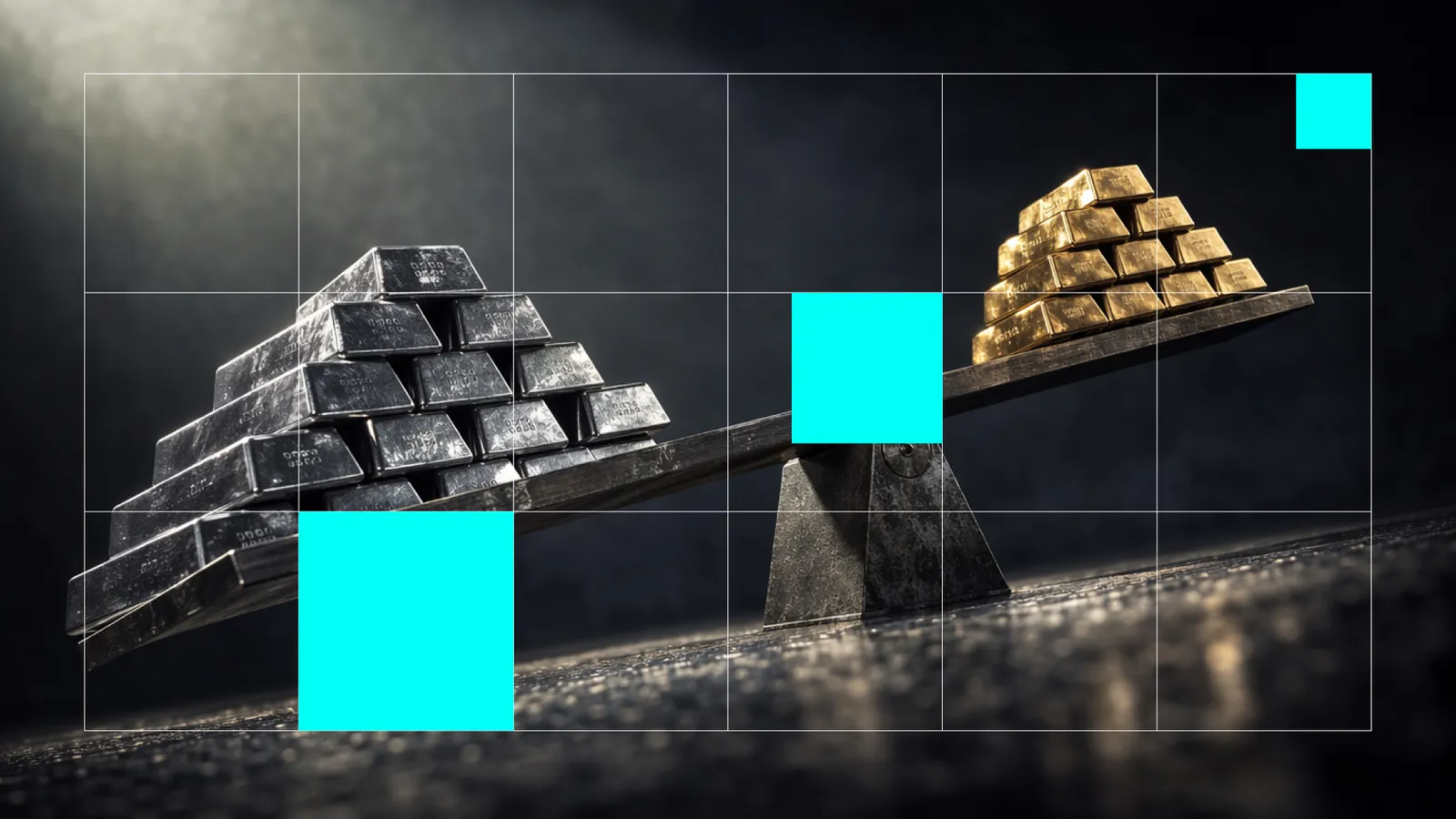
Many institutional forecasts begin with gold rather than silver. Banks typically estimate a gold price before applying an expected gold-silver ratio to calculate silver's potential value. As a result, movements in the ratio can provide an important indication of how analysts expect silver to perform relative to gold.
The ratio currently stands at 69.9:1. While that is slightly above its long-term average, it is not historically extreme. This suggests silver remains relatively inexpensive compared with gold, leaving room for outperformance if precious metals continue to strengthen. However, any sustained narrowing of the ratio is likely to depend on improving industrial demand, stronger investor sentiment and a broader recovery in the precious metals market.
Positioning has improved without becoming crowded
One of the more encouraging developments heading into Q3 is the recovery in COMEX open interest following the sharp washout earlier this year. According to the latest CFTC Commitments of Traders data for 30 June 2026, total COMEX silver futures open interest has recovered to around 109,000 contracts. While this is up modestly from late June, it remains more than 40% below levels seen at the start of the year. Combined futures and options open interest stands near 134,000 contracts, compared with more than 220,000 at the beginning of 2026.
The sharp decline in open interest during the first half of the year suggests much of the speculative excess has already been cleared from the market. Unlike previous rallies, which were driven largely by leveraged positioning, the current market is being supported more by physical demand and structural supply shortages.
Although positioning has started to recover alongside silver's rebound from its June lows, it remains well below historical highs. That leaves room for fresh speculative capital to return if macroeconomic conditions become more supportive. Physical demand also remains healthy. The July COMEX delivery month has already seen more than 27 million ounces of silver stand for delivery, while the September contract currently has more than 83,000 open contracts, equivalent to roughly 415 million ounces of notional silver exposure ahead of first notice day.
Overall, positioning appears supportive rather than stretched. The market is no longer crowded with speculative long positions, reducing the risk of another large liquidation while still leaving room for additional investor participation if sentiment improves.
Investment demand is recovering, but risks remain
Investment demand has improved during 2026 but remains well below the exceptional levels seen during previous bull markets. Exchange-traded products have returned to net inflows after several years of outflows, reflecting improving investor sentiment as expectations for lower interest rates and ongoing supply shortages strengthen. At the same time, physical investment demand for coins and bars has remained resilient despite higher prices, although demand has moderated from the record buying seen between 2022 and 2024.
Futures positioning tells a similar story. While speculative interest has recovered following the sharp sell-off earlier this year, participation remains well below historical peaks, suggesting the market is not yet overcrowded. That leaves room for further institutional and retail inflows if the Federal Reserve adopts a more dovish stance or geopolitical risks increase.
Investment demand remains one of silver's biggest potential catalysts this quarter. A sustained decline in real yields, renewed ETF inflows or further compression in the gold-silver ratio could encourage another wave of buying and support higher prices.
The main downside risk is that interest rates remain elevated while the US dollar stays firm. In that environment, investment demand is likely to recover more gradually, even if the market continues to face structural supply shortages.