Support
Fed bets, inflation and Iran risk move back to the center of the market
After several weeks in which investors focused mainly on softer U.S. economic data, markets are once again being pulled between two competing forces: a cooling labour market and the risk that higher energy prices could keep inflation elevated. The combination matters because it directly affects expectations for the Federal Reserve, the U.S. dollar, and broader risk sentiment across equities, bonds.
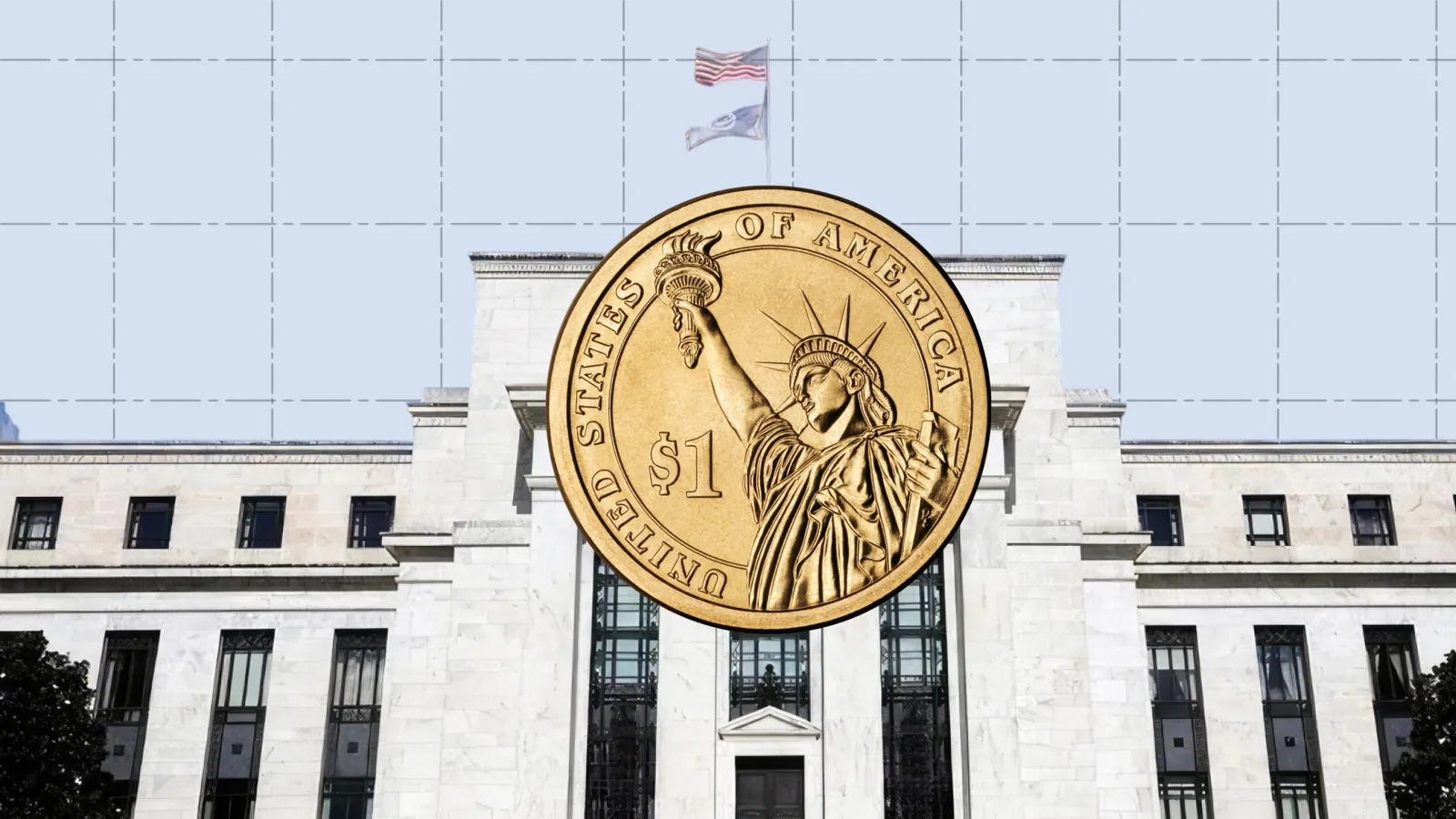
Softer labour data has reduced expectations for a near-term fed rate hike.
Oil prices remain sensitive to developments around Iran and the Strait of Hormuz.
Markets expect CPI 3.4%, slightly lower than the previous 3.5% reading.
Softer labour data has shifted Fed expectations
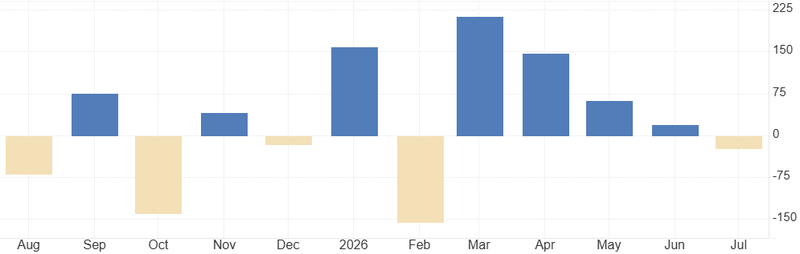
Recent labor figures have prompted investors to rethink the Fed outlook. The U.S. economy unexpectedly lost 23,000 jobs in July, a sharp contrast to forecasts that had pointed to another month of job growth.
The report strengthened the view that the labor market may be cooling faster than expected. Treasury yields moved lower, the dollar weakened and risk assets found support as traders scaled back expectations for another near-term rate increase.
The reaction was less about one payroll report changing policy overnight and more about confidence in further tightening becoming noticeably weaker.
Source: U.S. Bureau of Labor Statistics
Why the next CPI report matters more than usual
The inflation side of the equation is becoming more important than the labor side. Investors are watching the next U.S. CPI report closely because it will help determine whether inflation is still cooling or beginning to level off at a pace that remains uncomfortable for policymakers.
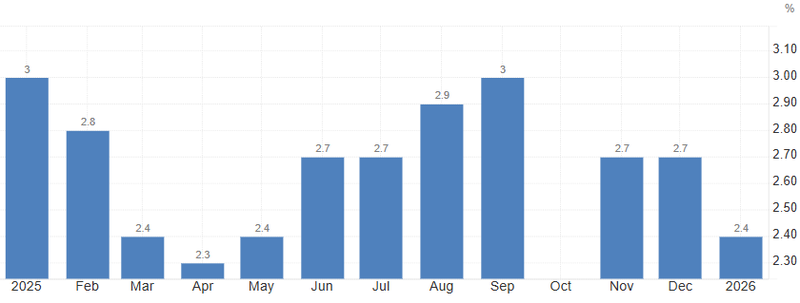
Markets currently expect headline CPI 3.4% year-on-year, slightly lower than the previous 3.5% reading. A softer number would reinforce the recent decline in rate-hike expectations and could add to the pressure on the dollar.
The complication is energy. Oil prices have remained close to $80 a barrel, raising concerns that inflation may stay elevated for longer than investors hope. If energy costs continue rising, a modest improvement in CPI may not be enough to convince markets that the disinflation trend is fully back on track.
Source: U.S. Bureau of Labor Statistics
Iran risk has returned to the inflation discussion
The U.S. and Iran remain in negotiations, and investors are watching closely because the talks involve some of the region’s most sensitive issues.
Iran continues to push for compensation related to the recent conflict, while Washington is seeking stronger assurances over security in the Strait of Hormuz and tighter oversight of Iran’s nuclear program.
For markets, the immediate concern is oil. Any sign that negotiations are stalling could push crude prices higher. Higher energy costs would not stay confined to fuel markets; they could gradually feed through to transportation, manufacturing, logistics and eventually consumer prices.
That is why the negotiations are being treated not just as a geopolitical story but as a factor that could influence inflation expectations and the Fed’s room to ease policy if the economy continues to slow.
The policy problem markets fear
The difficult scenario for the Fed is one in which growth slows while inflation remains sticky. Under normal circumstances, weaker growth would strengthen the case for lower interest rates. If inflation stays elevated, however, policymakers may have less room to support the economy and could be forced to keep policy restrictive for longer than investors expect.
The debate has become even more sensitive as questions about Federal Reserve independence have returned to the discussion around future rate cuts.
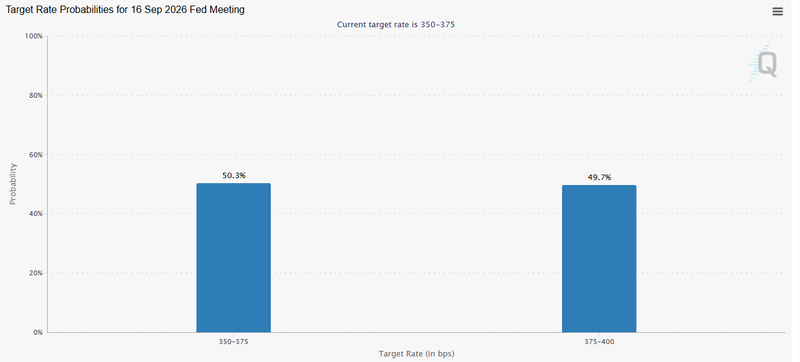
Markets are also watching signals from within the Fed itself. Several voting officials, including Governor Lisa Cook, have indicated they could support another rate increase at the September 15–16 meeting if inflation fails to cool further.
Even after the recent drop in tightening expectations, traders still assign roughly a 49% probability to another rate hike, down from much higher levels three weeks ago when inflation concerns were stronger and the labor market looked firmer.
Source: CME Group