Support
Fed minutes will put the 9-3 split under the microscope as oil reaches $85
The Federal Reserve’s July meeting looked straightforward on the surface: rates stayed unchanged at 3.50%-3.75%. The vote underneath was anything but. Three policymakers wanted a rate hike, leaving a 9-3 split that showed how much disagreement had already been built inside the central bank. That is why the minutes matter more than usual. Investors already know who wanted to hike. What they do not know is why the other nine preferred to wait. Were they comfortable that inflation would continue t
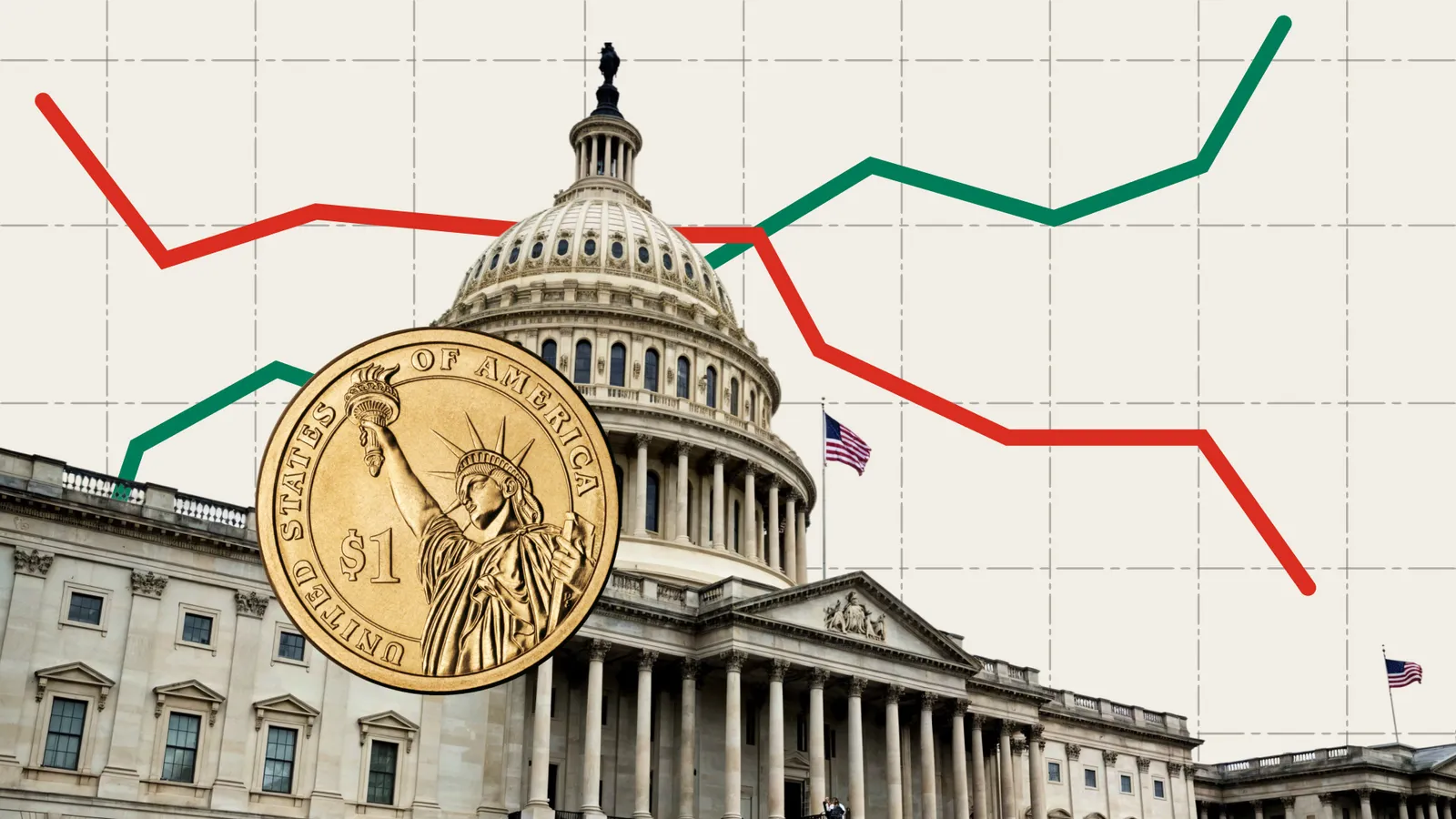
The three dissenters wanted higher rates because inflation remained above the Fed’s 2% target.
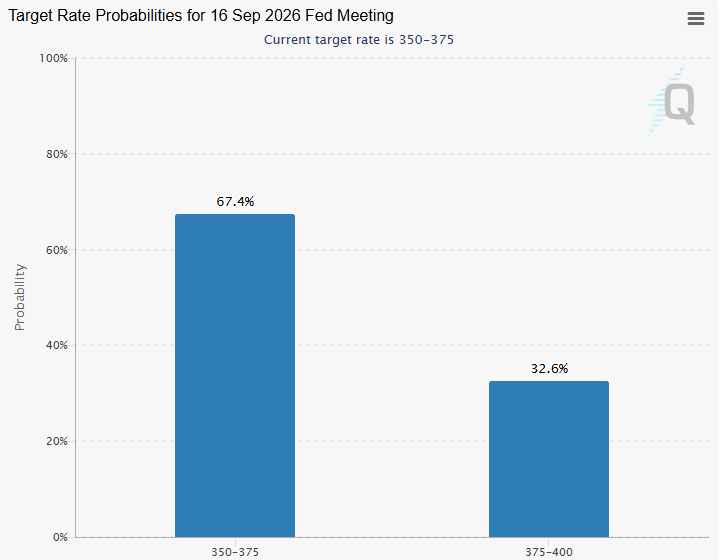
Markets are pricing roughly a 30% probability of a September hike.
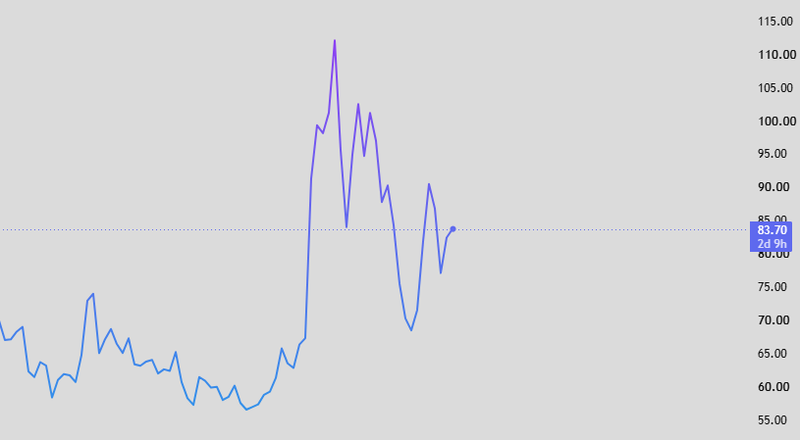
Oil has moved from around $70 during the July meeting to roughly $85, making the inflation discussion more important.
What were the nine policymakers worried about?
The most interesting part of the minutes will be the discussion among the nine officials who supported keeping rates unchanged. The Fed's July statement already showed the dilemma. Inflation was still above target, but economic conditions were not pointing clearly toward another increase. The central bank said activity was expanding at a solid pace, while also noting that inflation remained elevated partly because of supply shocks, including energy.
Since then, the labour market has provided more reasons for caution
Recent data have reduced expectations for another immediate rate increase, and markets are now putting only about 30% chance on a September hike. The minutes could show whether the nine saw the labor market as a temporary soft patch or as evidence that monetary policy was already restrictive enough.
That difference is important
If the majority believed inflation was still the bigger problem, the September meeting could remain live for a hike. If they were more concerned about weakening employment and the effects of already-tight financial conditions, the case for waiting becomes stronger.
Oil changes the inflation argument
The July meeting also took place in a very different oil market. Crude was around $70 a barrel when policymakers were assessing the inflation outlook. It is now closer to $87-$91, depending on the benchmark and the latest market move. Brent was trading around $91 on Wednesday as uncertainty over the Middle East and the Strait of Hormuz continued to support prices.
That makes the inflation discussion inside the minutes particularly important
If policymakers were already worried about energy prices in July, investors will want to know how seriously they viewed the possibility that another oil shock could keep inflation elevated.
The issue is not simply today's crude price Higher oil eventually affects transportation, production and other costs. If the Fed believes those pressures could spread into broader inflation, the three dissenting votes may have more support than the headline 9-3 split suggests.
Source: Trading view
Higher yields could do some of the Fed's work
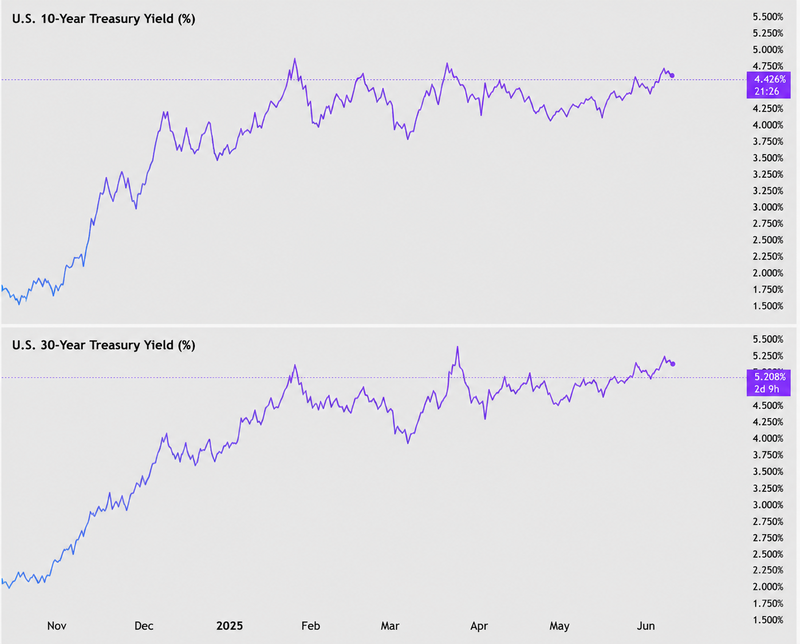
The bond market has tightened financial conditions without the Fed having to raise rates. The U.S. 30-year Treasury yield recently climbed above 5.3%, reaching its highest level since 2007, while the 10-year yield remains around 4.7%.
That changes the calculation for policymakers
Higher long-term yields make mortgages more expensive, raise corporate borrowing costs and increase the cost of financing investment. They can also put pressure on equity valuations, particularly in sectors where investors are paying high prices for future earnings. In other words, the Fed can tighten financial conditions without touching the federal funds rate.
That gives Warsh and other policymakers another reason to wait if they believe the bond market is already doing part of the job. Raising the policy rate on top of a sharp rise in Treasury yields could push financial conditions tighter than intended, especially if the labor market continues to cool.
Source: Trading view
The Fed faces a different problem if oil keeps rising
The difficulty is that higher yields do not solve everything. If oil continues climbing because of the Iran conflict and disruptions around the Strait of Hormuz, inflation could become more persistent while higher borrowing costs slow the economy.
That is the combination the Fed wants to avoid
A weaker labour market would normally argue for patience. But if energy prices start pushing inflation higher again, policymakers may have less freedom to respond.
This is why the nine votes to hold are more interesting than simply counting them. Investors need to know whether those officials viewed the inflation risk as temporary enough to tolerate or whether they were already concerned that another energy shock could change the picture.
September is no longer a simple rate decision
The market has moved sharply away from the idea of an almost certain September hike. The latest pricing puts the probability at around 30%, reflecting softer inflation and labour-market data.
But that probability can change quickly
If the minutes show that a large portion of the nine policymakers were comfortable waiting because inflation was expected to moderate, September hike expectations could fall further. If the minutes reveal that several of them wanted to hold only because they needed more data before acting, the market could take the opposite view.
Source: CME Group
The Fed is waiting for more than one number
The July decision left policymakers with several moving pieces: inflation above target, a cooling labor market, higher Treasury yields and a geopolitical situation that has pushed oil prices higher.
Since the meeting, some of those forces have moved in opposite directions
Labor data have become softer, supporting a pause. Oil has moved higher, creating a fresh inflation concern. Treasury yields have risen sharply, tightening financial conditions without a formal rate increase. The minutes will show how policymakers weighed those risks before the latest moves in oil and bonds.
That last point is important. The minutes are a snapshot of the July meeting, not a forecast of what the Fed thinks today. The market will have to combine that information with the data released since then.