Support
US-Iran ceasefire expires as Hormuz shipping disruption threatens Oil prices
The U.S.-Iran ceasefire framework has reached its deadline without producing the broader agreement markets were expecting. The 60-day memorandum expired on August 17, while negotiations remain stuck over sanctions, Iran’s nuclear program, military arrangements and, increasingly, the future of the Strait of Hormuz.
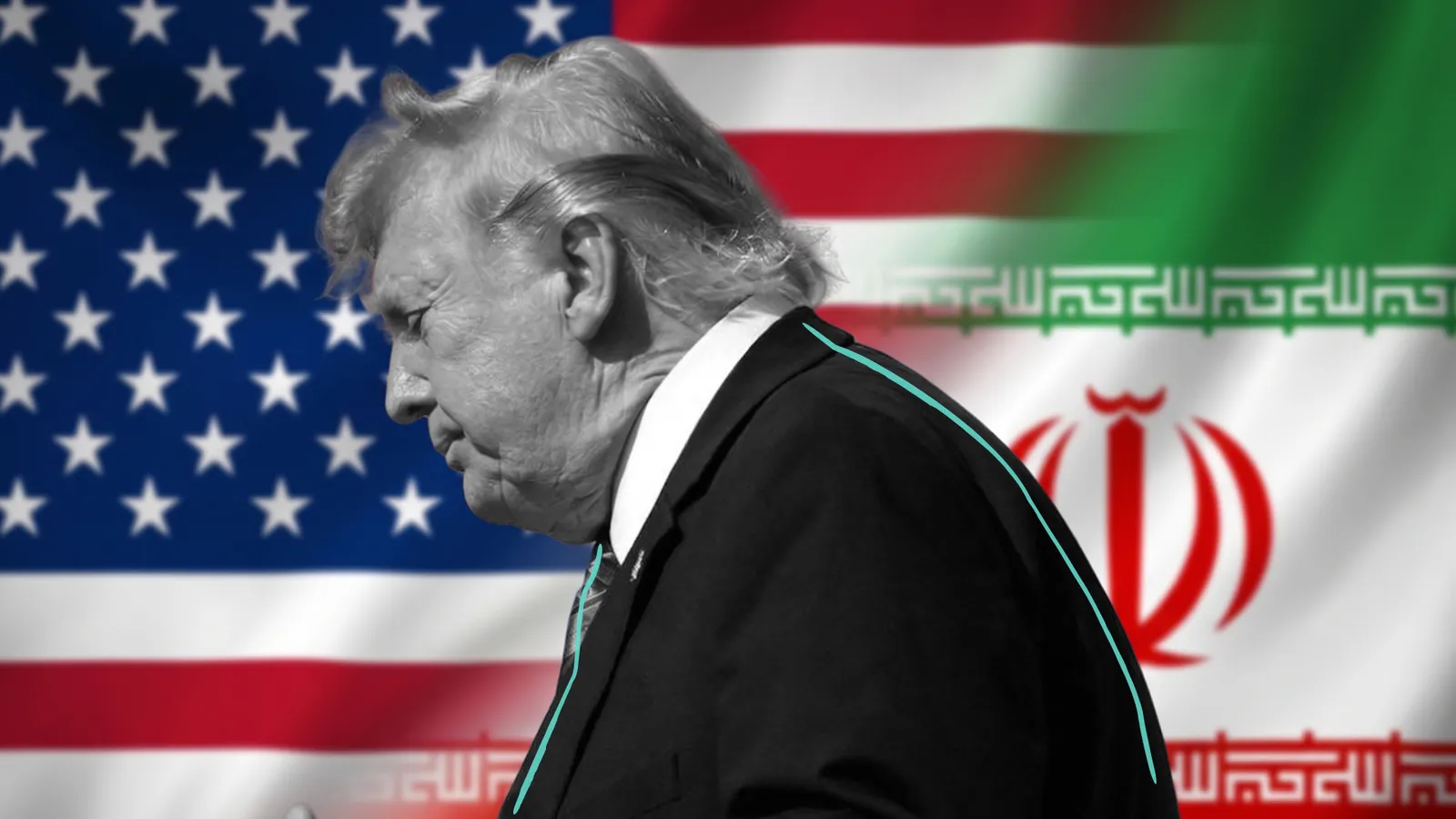
The 60-day U.S.-Iran memorandum expired without a final peace agreement.
Washington has threatened to declare the Strait of Hormuz U.S. territory, while Tehran has rejected the claim.
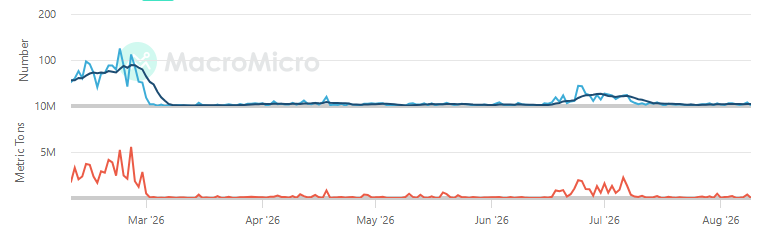
Only five vessels crossed the strait on Saturday and none on Sunday, compared with 31 the previous weekend.
The ceasefire did not solve the central problem
The original memorandum was supposed to give Washington and Tehran enough time to move from a temporary halt in fighting toward a broader settlement. Restoring normal traffic through the Strait of Hormuz was one of the most important economic objectives.
That has not happened
There had been hopes that both sides would extend the arrangement while continuing negotiations, but those expectations weakened as disagreements over the terms became harder to resolve. Iran has been seeking sanctions relief, compensation and greater control over the waterway, while Washington continues to demand restrictions on Iran’s nuclear program and conditions that would allow international shipping to move safely through Hormuz.
Hormuz has become the real economic battlefield
The clearest evidence comes from shipping activity tracking showed that only five commodity vessels passed through Hormuz on Saturday and none on Sunday, compared with 31 during the previous weekend. The limited traffic included an empty very large crude carrier with its tracking system switched off, a gas carrier using the Iranian route and a small tanker carrying Iranian fuel oil.
That is a major departure from normal traffic
Before the conflict, more than 130 vessels could pass through the strait in a single day. Hormuz also handles roughly a fifth of global oil and LNG shipments, making the disruption important well beyond the Gulf. A statement from Washington or Tehran can change market sentiment for a few hours. A sustained return of crude tankers would change the physical supply outlook.
Source: MacroMicro
Trump's Hormuz threat raises the stakes
The dispute became more complicated after President Donald Trump said he could declare the Strait of Hormuz U.S. territory, a claim Iran rejected. At the same time, Trump confirmed that Washington has a backchannel with Iranian Revolutionary Guard officials and said he was in “no hurry” to reach a deal. He also warned that the U.S. could bomb Oman if it interferes with efforts over Hormuz.
The mixed signals matter. Diplomacy is still taking place behind the scenes, but the pressure around Hormuz is clearly rising. For oil markets, the outcome could determine whether shipping resumes or the disruption becomes more prolonged.
That leaves limited room for an easy compromise
Iran has also reportedly been working with Oman on a possible arrangement for commercial vessels to use designated routes through the strait. Such an agreement could allow some shipping to resume even if Washington and Tehran remain far apart on the broader political issues.
Why oil has not surged even further
The unusual part of the latest reaction is that crude has risen, but not nearly as sharply as the shipping disruption might suggest. Brent reached around $87 a barrel on Monday, Prices had already gained more than 5% during the previous week following attacks on tankers and energy infrastructure. The market appears to be making an important distinction between restricted shipping and an actual loss of oil supply.
So far, they are not the same thing
Some Gulf producers have alternative export routes, while inventories and existing supply can help absorb temporary disruption. At the same time, concerns about global demand are limiting how aggressively traders are willing to price a prolonged supply shock.
But the situation could change quickly if the disruption lasts
If crude tankers remain unable to move through Hormuz, refiners, particularly in Asia, could face tighter access to supplies. Freight and insurance costs would also increase, adding to the cost of every barrel that does make it through.
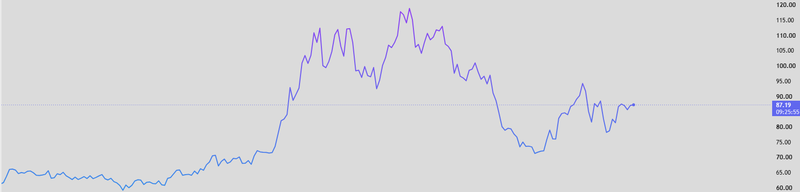
Source: Trading view
The next move in oil depends on actual barrels
If Washington and Tehran reach an arrangement that allows commercial tankers to move safely, part of the geopolitical premium could disappear from crude quickly. The market would then return its attention to inventories, production and global demand.
If shipping remains restricted, however, traders will have to start pricing the possibility of a much longer disruption. That does not automatically mean oil moves to new record highs. The eventual price reaction will depend on how much supply is affected and how long the disruption lasts.
Markets want evidence, not another announcement
A few weeks ago, investors were mainly asking whether Washington and Tehran could stop fighting. Now the more important question is whether diplomacy can create conditions that allow commercial shipping to resume.
That is a much more practical test
Another ceasefire extension could calm markets temporarily, but shipping companies are unlikely to return in force unless the risks around Hormuz genuinely fall. At the same time, a workable shipping arrangement with Oman could ease pressure on crude even without a broader peace agreement. The expiration of the memorandum has therefore brought the market back to the issue that matters most for oil: when will international tankers feel safe enough to return to the Strait of Hormuz?