
 Support
USD/JPY outlook: Yen is strengthening as BoJ rate hike expectations rise
The yen is strengthening again, but this time the market has more than intervention to trade. Expectations of another Bank of Japan rate hike are giving the currency a fundamental reason to stay stronger. After touching a 40-year low near 164 in late July, the USD/JPY plummeted to a 7-month low near 153.
Tokyo spent 98.7 billion, buying yen between July 30 and August 26.
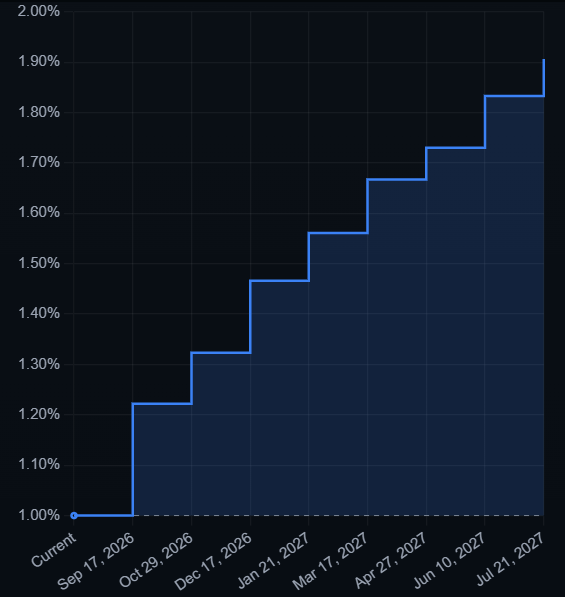
Markets are now pricing a 25bp rate increase to 1.25% on September 18.
USD/JPY has lost the short-term trend that carried it toward 164, with the reversal taking the pair down to the 153 area.
Japan is using its reserves to defend the yen
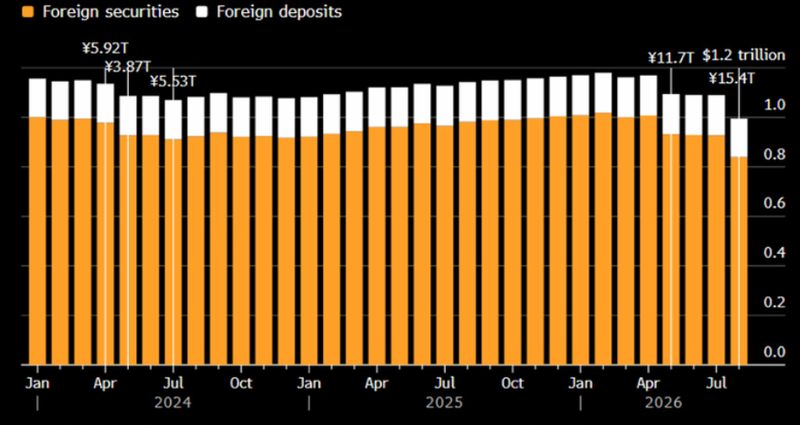
The scale of Japan’s intervention is now visible in the reserve data. Tokyo spent 98.7 billion, buying yen between July 30 and August 26. At the end of August, total reserves had fallen to roughly $995 billion.
Most of those foreign assets are securities, with $839.6 billion held at the end of August. Reuters reported that the intervention involved selling foreign securities, mainly U.S. Treasuries, to raise the dollars needed to buy yen. That creates another channel into global markets: Japan can support its currency while reducing its Treasury holdings at the same time.
But Tokyo does not have to sell Treasuries every time it intervenes. Japan can use the Federal Reserve’s FIMA repo facility to raise dollars against its U.S. securities without selling them outright. That gives policymakers another way to fund intervention and limits the pressure on the Treasury market.
The bigger issue is what happens next. Reserve losses show Japan has used a large amount of firepower already, while higher BOJ rate expectations are now doing part of the work. That combination is giving the yen something intervention alone cannot provide: a stronger policy argument for a sustained move higher.
Source: Bloomberg
BoJ policy is becoming the stronger argument for the yen
Intervention can change the speed of a currency move. It cannot permanently change the interest-rate gap.
That is where the BOJ comes in. Markets are now pricing a 25bp rate increase to 1.25% on September 18, with expectations for further tightening into 2027. The latest Reuters poll shows most economists expect the policy rate to reach at least 1.50% by March, while BOJ officials have become more explicit about the need to respond to persistent inflation.
Japan's economy is also giving policymakers more room to move. Second-quarter GDP was revised to a 1.4% annualised expansion, while real wages rose 2.4% year over year in July.
That changes the yen trade
A short position now carries intervention risk, a higher BOJ rate risk and a growing risk that Japanese investors begin bringing money home as domestic yields become more attractive. Reuters estimates that the yen-funded carry trade could face a significant unwind if the currency keeps rising. The yen therefore no longer needs Tokyo to intervene every time it strengthens.
That is the real shift. Japan has already shown it is willing to spend heavily defending the currency. The BOJ is now giving the market a reason to believe the next yen rally may have more staying power.
Source: Rate probability
Technical outlook
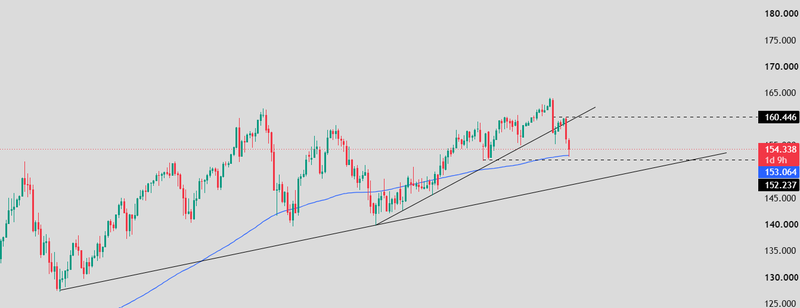
USD/JPY has lost the short-term trend that carried it toward 164, with the reversal taking the pair down to the 153 area. The bigger test is now underneath.
The 126-day moving average around 153 meets the longer-term rising trendline from the 128 low, putting both at the same level. That makes 152–153 the key area on the chart. Buyers have to hold it if they want to keep the broader recovery intact.
The lower move also fits the shift in the yen trade. Higher BOJ rate expectations are reducing the appeal of borrowing yen and buying higher-yielding assets overseas. That is forcing some traders to unwind long-dollar positions, adding to the yen's recent strength.
Scenarios ahead
The bullish case starts with a defence of 152–153. A rebound through 156 would ease some of the selling pressure, while a move back above 160.45 would suggest the interest-rate gap between the U.S. and Japan is coming back into focus.
The bearish case becomes stronger below 152. That would put 150 in sight and increase the risk of a deeper carry-trade unwind. Below there, 146–142 becomes the wider downside zone, particularly if expectations for further BOJ hikes continue to build.
Source: Trading view


