Support
Iran declares Hormuz closed as US strikes deepen oil market risk
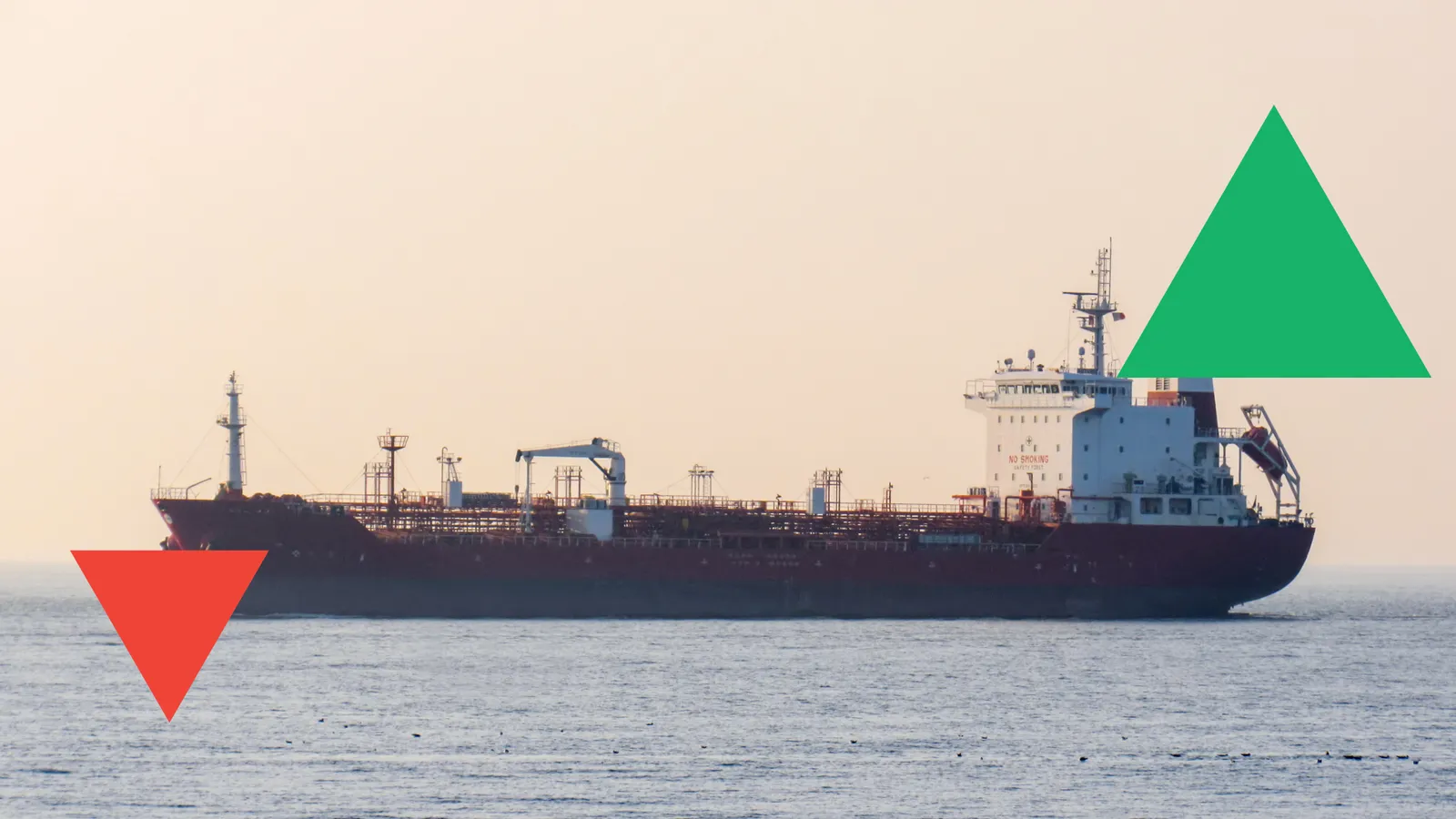
Iran has declared the Strait of Hormuz closed until further notice, while the US insists the waterway remains open and says it is prepared to protect commercial shipping. The conflicting claims came as Washington and Tehran exchanged another round of strikes, pushing Brent crude above $79 a barrel and reviving fears of a broader disruption to Gulf energy flows.
Iran said the Strait of Hormuz is closed until further notice.
The US military said the waterway remains open to commercial shipping.
US forces struck about 140 targets over the weekend.
Brent crude rose 4.3% to trade above $79 a barrel.
Hormuz returns to the center of the conflict
The Strait of Hormuz has again become the main source of risk for global energy markets after Iran declared the waterway closed until further notice and the US rejected that claim.
The conflicting statements came as both sides exchanged a fresh round of strikes overnight into Monday, extending a cycle of attacks and retaliation that has continued for roughly a week.
US Central Command said American forces targeted Iranian air-defense systems, coastal radar sites, missiles and drone capabilities in an effort to reduce Tehran’s ability to threaten shipping through the strait.
Iran responded with attacks targeting US military facilities and allied states across the Persian Gulf and the wider region.
The escalation has created a difficult question for oil markets: is Hormuz actually closed, partially accessible or still operating under military protection?
US says waterway remains open
Iranian authorities said over the weekend that the strait would remain closed until further notice.
US Central Command disputed that statement and said the waterway was still open to all vessels. Washington also said its forces were prepared to defend freedom of navigation.
President Donald Trump repeated the US position, saying Hormuz remained open after the latest American strikes.
Maritime data, however, suggests the situation is more complicated than either declaration.
The Joint Maritime Information Center said vessels could still use a southern transit route. Ship-tracking data also showed that an LNG tanker appeared to pass through the strait over the weekend and enter the Gulf of Oman.
Around 20 commercial vessels reportedly crossed the waterway in coordination with the US military.
This suggests Hormuz may not be fully closed in a physical sense, but access remains restricted, risky and increasingly dependent on military coordination.
Brent rises as supply fears return
Oil markets reacted quickly to the renewed escalation.
Brent crude climbed 4.3% to above $79 a barrel in early London trading as investors priced the possibility of further disruption to Gulf exports.
The rise reflects how sensitive the market remains to Hormuz. A large share of global crude and liquefied natural gas exports passes through the narrow waterway, making any threat to shipping immediately relevant for energy prices.
Recent weeks had brought some signs that transit conditions were improving. That had allowed traders to reduce part of the geopolitical risk premium built into oil.
The latest strikes have reversed part of that confidence.
Even without a complete closure, higher insurance costs, military escorts, shipping delays and vessel diversions can reduce effective supply and raise transport costs.
US strikes target Iran’s shipping capabilities
US Central Command said its forces struck dozens of targets linked to Iran’s ability to threaten vessels in Hormuz.
The targets included air-defense systems, coastal surveillance infrastructure and missile and drone capabilities. US forces hit about 140 targets over the weekend under orders from Trump.
The latest operation was described as one of the heaviest American bombardments since the June agreement intended to halt the conflict.
The scale of the strikes suggests Washington is trying to weaken Iran’s ability to control or disrupt access to the strait.
But the attacks also increase the risk that Tehran responds by targeting a wider group of US allies and regional infrastructure.
Commercial shipping faces greater uncertainty
Commercial vessels are now operating in an increasingly uncertain environment.
Iran has blamed some ships for violating its restrictions, while the US says it will protect freedom of navigation. That creates a situation where shipping companies may have to decide whether to rely on US military coordination or avoid the route altogether.
The risk goes beyond physical attacks.
Shipping companies may face higher insurance premiums, longer waiting times and greater uncertainty over which routes are considered safe. Tanker rates could remain elevated even if some vessels continue to pass through the strait.
The key issue for energy traders is not simply whether one tanker crosses successfully. It is whether normal commercial volumes can move consistently without disruption.
June ceasefire appears to be breaking down
The latest confrontation has cast serious doubt on the June 17 interim agreement between Washington and Tehran.
The agreement was intended to stop the fighting and create space for negotiations covering Iran’s nuclear program and a broader end to the war.
Trump said Friday that he considered the ceasefire effectively over, while adding that talks could continue.
The current military exchange suggests the agreement is no longer functioning as an effective restraint on either side.
The UK, France and Germany issued a joint statement condemning the attacks and calling for a return to the ceasefire and peace negotiations.
But the widening strikes and disagreement over Hormuz make a quick diplomatic reset more difficult.
Energy infrastructure is increasingly exposed
The conflict is also moving closer to important energy and industrial areas.
Iranian media reported explosions near southern coastal and energy centers, including Bushehr, Asalouyeh, Bandar Abbas, Bandar-e Dayyer and the Sirik region near Hormuz.
Iran also reported extensive damage to parts of its electricity infrastructure following recent US and Israeli strikes.
Damage to power, port, refining or petrochemical infrastructure could affect oil markets even if the strait remains partly open.
That creates two separate supply risks: disruption to shipping through Hormuz and damage to the facilities needed to produce, process and export energy.
What traders should watch next
The first question is whether vessel traffic continues through the southern route and whether commercial ships require military escorts.
The second is whether Iran attempts to enforce its closure declaration more aggressively by intercepting additional vessels.
The third is whether US strikes expand toward more energy or export infrastructure.
Oil traders will also watch whether Brent can hold above $79 and whether the market begins to price a prolonged disruption rather than a temporary escalation.
A full physical closure would create a much larger supply shock. Continued limited transit would still keep a significant geopolitical premium in prices.