Support
 Kevin Warsh gives no October rate signal as global tightening gathers pace
Kevin Warsh kept the Fed’s October decision open as markets increasingly price a pause before another possible rate hike in December.
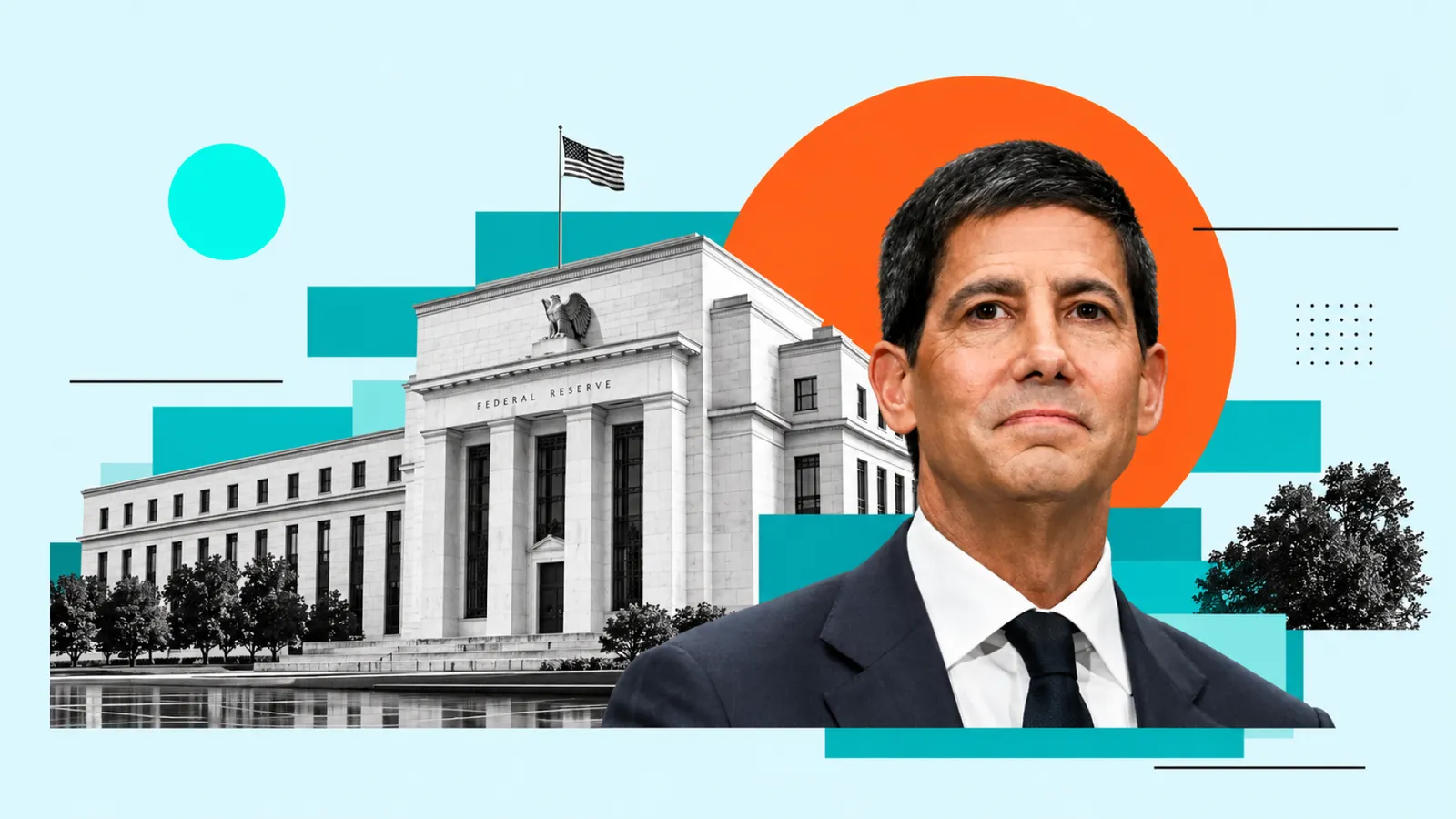
Kevin Warsh declined to signal whether the Federal Reserve will raise interest rates in October.
Markets assign a 72.3% probability to the Fed holding rates at its October 27-28 meeting.
The Fed raised rates to 3.75%-4% in September, its first increase since 2023.
Warsh described the global policy shift as synchronized tightening with “no free riders.”
Higher energy costs and heavy AI investment are adding to global inflation and borrowing pressures.
Warsh keeps the October Fed decision open
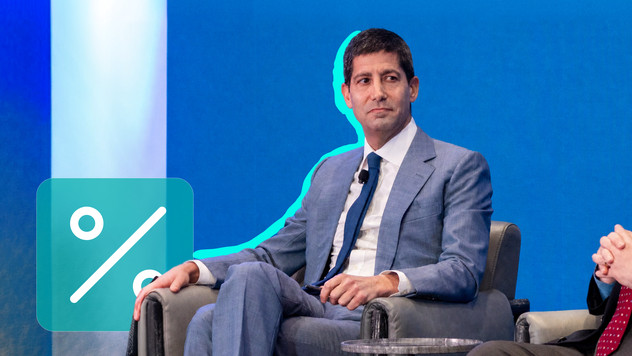
Federal Reserve Chair Kevin Warsh declined to provide guidance on whether US interest rates will rise again in October, reinforcing his preference for allowing economic data to shape market expectations.
Speaking during the IMF and World Bank meetings in Bangkok, Warsh said he would not prejudge the remaining policy meetings of 2026. He also repeated his opposition to forward guidance, arguing that financial markets should interpret incoming data rather than depend on advance signals from the central bank.
The remarks support expectations that the Federal Open Market Committee could pause at its October 27-28 meeting. Interest-rate futures assign a 72.3% probability to the Fed keeping rates unchanged.
The Fed raised its benchmark rate by 25 basis points in September to a range of 3.75% to 4%, its first increase since 2023. Markets still expect another quarter-point increase in December, which could represent the final hike of the current tightening cycle.
Global central banks tighten together
Warsh described the recent global shift toward tighter monetary policy as a synchronized response to renewed inflation pressure.
Central banks are acting under different mandates and domestic conditions, yet many are confronting the same combination of elevated energy prices, higher borrowing costs and resilient inflation. Warsh said this environment means there are “no free riders,” suggesting that countries cannot depend on tighter policy elsewhere to contain their own price pressures.
The war with Iran has pushed energy costs higher, while the rapid expansion of artificial intelligence infrastructure is creating additional demand for power, investment capital and industrial capacity.
These pressures are emerging as global public debt approaches 100% of world GDP, a level last exceeded following World War II. Higher interest rates could make that debt burden more difficult to manage, particularly for governments relying on strong economic growth to improve their fiscal position.
AI could lift productivity after a difficult transition
Warsh remained optimistic about the longer-term economic impact of artificial intelligence, arguing that countries using the technology effectively could become more productive and wealthier.
He warned that the transition could be “very bumpy,” particularly because the near-term impact on employment remains uncertain. Heavy AI investment may support growth and productivity, though it could also contribute to inflation through stronger demand for energy, computing capacity and skilled workers.
Markets showed a limited reaction to the speech. US equity futures edged higher, while Asian stock indexes and Treasury yields remained broadly stable.
For the Fed, the immediate question is whether inflation and energy prices justify another increase in October. Current market pricing points to a pause, followed by a possible December hike if price pressures remain elevated.