Support

Bitcoin ETF outflows approach $5 billion as BTC struggles below $60,000
Bitcoin ETFs are heading for their worst month since launching in 2024, with nearly $5 billion in withdrawals exposing a sharp reversal in institutional demand as BTC falls below $60,000.

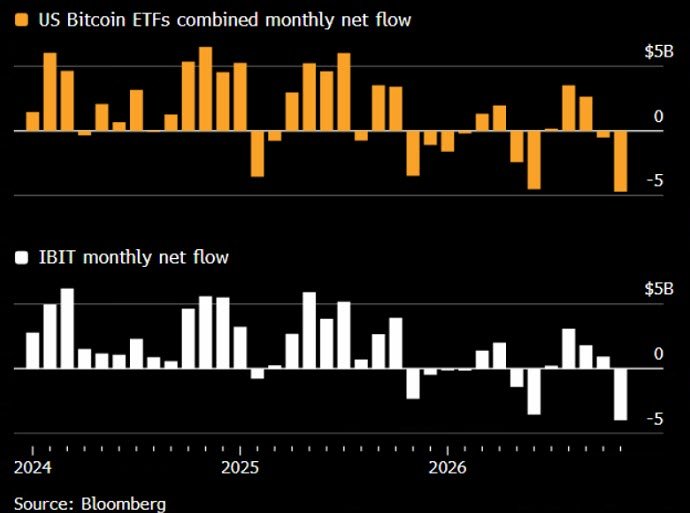
US spot Bitcoin ETFs recorded $4.94 billion in net outflows through November 24, putting them on track for a record monthly withdrawal.
BlackRock's iShares Bitcoin Trust (IBIT) accounted for more than $4 billion in redemptions.
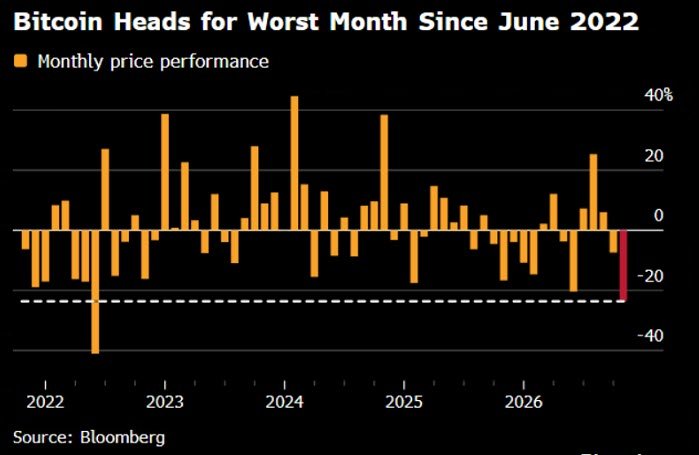
Bitcoin has fallen approximately 23% in November, heading for its worst monthly performance since June 2022.
Higher interest rate expectations, security concerns and competition from income-generating assets are weakening demand for cryptocurrencies.
Bitcoin ETFs turn from a source of demand into selling pressure
The investment vehicles that helped fuel Bitcoin's previous bull market are now reinforcing its decline. US-listed spot Bitcoin ETFs recorded net outflows of $4.94 billion through November 24, putting them on course for their worst month since launching in January 2024.
BlackRock's iShares Bitcoin Trust (IBIT), the world's largest spot Bitcoin ETF, suffered more than $4 billion in redemptions, accounting for over 80% of the group's net withdrawals.
Source: Bloomberg
The selling coincides with a sharp deterioration in Bitcoin's price. The cryptocurrency has lost approximately 23% this month, falling to around $59,000 during Wednesday's Asian trading session and heading for its worst monthly performance since June 2022, when a series of corporate failures triggered a broader cryptocurrency market collapse.
Source: Bloomberg
The significance of the ETF withdrawals extends beyond their size. These funds removed many of the barriers preventing institutional and traditional retail investors from accessing Bitcoin. During the bull market, persistent inflows created a powerful source of demand. Sustained redemptions now threaten to reverse that mechanism, leaving Bitcoin increasingly dependent on alternative buyers to absorb selling pressure.
Why is Bitcoin falling despite the recovery in technology stocks?
Bitcoin briefly recovered on Monday alongside global equities following Nvidia's decision to reinstate Jensen Huang as chief executive. However, the cryptocurrency subsequently surrendered all those gains, highlighting the fragility of buying interest.
Glassnode argues that Bitcoin's inability to sustain a rally following positive news suggests investors are using temporary price recoveries to reduce exposure rather than rebuild positions. Its round-the-clock trading and liquidity also make it one of the assets investors can readily sell when reducing portfolio risk.
Higher interest rates are changing the investment equation
Expectations of further Federal Reserve tightening are creating a particularly difficult environment for cryptocurrencies. Elevated Treasury yields increase the opportunity cost of holding assets that generate no contractual income, while higher borrowing costs discourage speculative investment and leveraged trading.
Bitcoin is also facing industry-specific challenges, including high-profile security breaches and the prospect of greater regulatory scrutiny following the US midterm elections.
The combination explains why an improvement in broader market sentiment has failed to produce a lasting recovery in cryptocurrencies. Bitcoin needs renewed demand of its own, rather than relying exclusively on rebounds in technology stocks.
Bitcoin faces growing competition for investor capital
A more fundamental challenge is emerging as Bitcoin competes for capital with equities, bonds and other investment opportunities.
This creates a valuation challenge. Equities can offer earnings growth and dividends, while government and corporate bonds provide contractual income. Bitcoin's investment returns depend predominantly on price appreciation, making demand particularly sensitive to liquidity conditions and expectations of future adoption.
The catalysts that supported the previous rally, including spot ETF launches and expanding institutional participation, have already been incorporated into the market. Their initial success makes the current reversal more significant, as the industry searches for another source of sustained capital inflows.
Bitcoin price outlook: What could signal a recovery?
The $60,000 threshold has become an important psychological reference for Bitcoin, but a sustained recovery will require more convincing evidence than a temporary rebound above that level.
ETF inflows and Coinbase demand are key indicators
Glassnode identifies two developments that could signal a meaningful improvement in US investor appetite:
- A sustained return to positive net flows into spot Bitcoin ETFs.
- Renewed net buying on Coinbase, indicating stronger demand from US-based investors.
A simultaneous improvement in both indicators would provide stronger evidence that institutional and spot-market demand is recovering. Conversely, continued ETF redemptions alongside failed price rebounds would suggest that investors remain focused on reducing exposure.
The current downturn raises a broader question about Bitcoin's institutional adoption. Spot ETFs have made cryptocurrency ownership more accessible, but they have also made Bitcoin more sensitive to conventional portfolio allocation decisions, interest rates and cross-asset competition.
With nearly $5 billion leaving ETFs in less than a month, the immediate challenge is finding a new source of demand capable of replacing institutional buying. Until that emerges, Bitcoin's recovery attempts may remain vulnerable to renewed selling, even during periods of improving sentiment across global financial markets.