
 Support
 Can the Treasury buyback help Bitcoin break above $80,000?
The Treasury's first major September buyback operation is arriving just as Bitcoin struggles to turn $80,000 from resistance into support. The programme is designed to improve liquidity in the Treasury market, with weekly buyback operations capped at $14.5 billion and the long-end purchase limits increasing from September 9.

The Treasury's September buyback programme has a weekly limit of $14.5 billion.
Long-end buyback operations will rise to at least $4 billion from September 9.
August payrolls jumped by 162,000, pushing September rate-hike odds to roughly 58%.
More than $225 million in crypto futures positions were liquidated within an hour after the latest sell-off.
The Treasury is trying to ease pressure on the bond market
The buyback arrives at an awkward moment for the Treasury. Long-term yields have been rising even as officials try to improve trading conditions in the longer-dated part of the curve.
From September 9, Treasury will at least double the maximum size of its liquidity-support operations for 10-to-20-year and 20-to-30-year securities, from $2 billion to at least $4 billion per operation. Treasury says the move is intended to support liquidity where it continues to receive strong demand from market participants.
That does not mean Washington is suddenly creating a new pool of money for risk assets. The programme is primarily about market functioning. Treasury is buying older, less actively traded securities from dealers and investors, improving liquidity and helping the market absorb the large volume of debt issuance still ahead.
The jobs report pushed the Fed back into the driver's seat
Bitcoin was already testing $80,000 when the latest U.S. labour-market report changed the equation.
Nonfarm payrolls increased by 162,000 in August, while unemployment remained at 4.1%. The result was far stronger than the roughly 53,000-56,000 increase markets had expected.
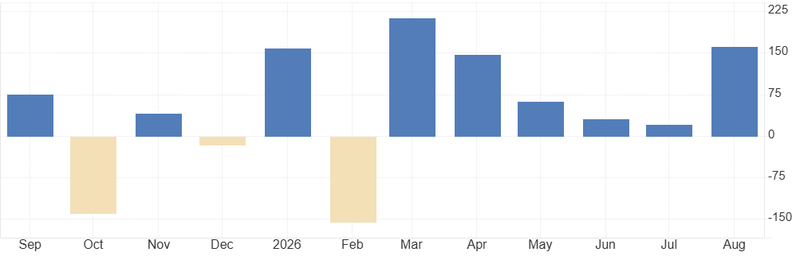
Source: U.S. Bureau of Labor Statistics
The reaction was immediate
Fed funds futures moved to price roughly a 58% probability of a 25-basis-point rate increase at the September 16 meeting, up from about 49% the previous day. Treasury yields also moved sharply higher, with the 10-year yield around 4.8% and the 30-year yield above 5.2% after the report.
That matters more for Bitcoin than the payroll headline itself
A stronger labour market gives the Fed less reason to rush toward easier policy. Higher yields increase the return available from dollar assets and raise the opportunity cost of holding an asset that does not generate income.
The result is an uncomfortable setup for Bitcoin: Treasury operations may help ease pressure in one part of the financial system while strong economic data keep the Fed leaning the other way.
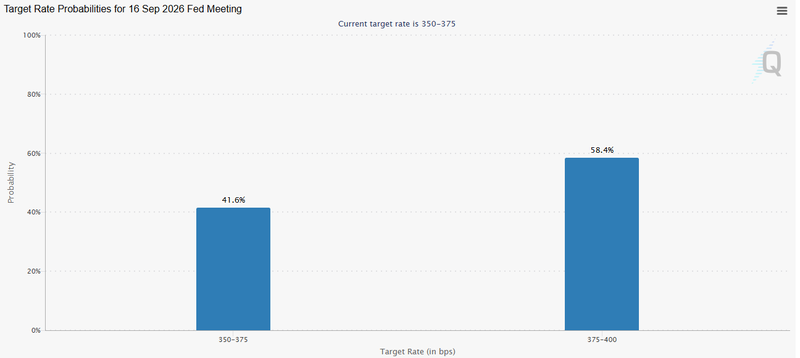
Source: CME Group
The market is no longer trading only in the buyback
U.S. spot Bitcoin ETFs attracted $730.8 million on September 3, the largest single-day inflow of 2026. A further $174.6 million entered the funds on September 4, meaning institutional demand remained positive even after the jobs report pushed Bitcoin below $80,000.
That makes the current pullback different from a simple risk-off move
Capital is still entering the spot market even as price struggles. The market therefore has two competing forces: stronger institutional demand underneath and tighter financial conditions above.
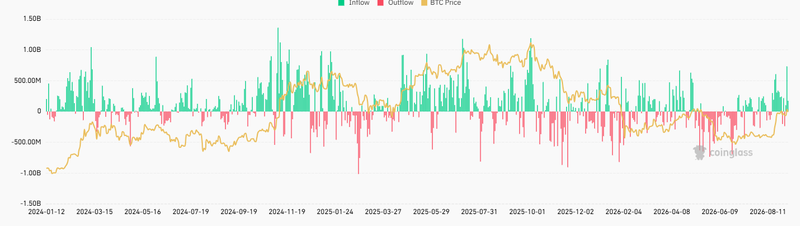
Source: Coinglass
Liquidation is making the rejection sharper
The latest decline also exposed how much leverage is sitting around the market.
More than $225 million in futures positions were liquidated within one hour, with long positions accounting for about $206 million. Bitcoin itself accounted for roughly $75 million of those liquidations.
That changes the character of the move
When leveraged longs are forced out, Bitcoin does not need a new fundamental shock to keep falling. The liquidation itself becomes added to selling pressure, which can push the market further away from a level that traders were already trying to defend.
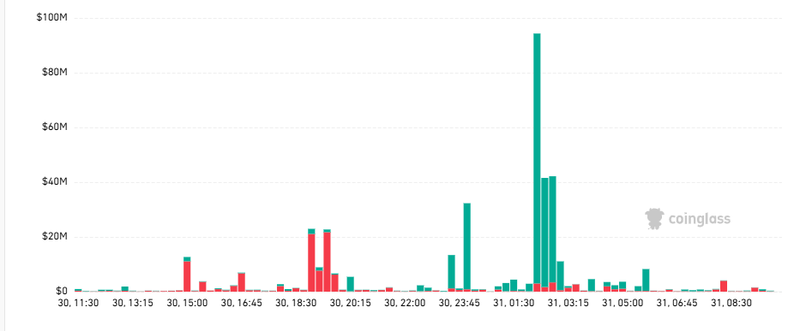
Source: Coinglass
Treasury liquidity versus Fed tightening
The market is now caught between two policies moving in different directions. Treasury wants the long end of the bond market to function more smoothly as Washington continues issuing debt. The Federal Reserve is focused on making sure inflation does not become entrenched, and stronger employment reduces the urgency to ease policy.
Neither policy is directly aimed at Bitcoin
But both affect the same variable that matters most for the cryptocurrency in the short term: financial conditions.
A successful buyback operation could help stabilise Treasury yields and improve risk appetite. It would not, by itself, erase the impact of a Fed repricing if inflation remains too high.
That is why the September 9 operation is being watched so closely. Traders are not simply asking whether Treasury buys $14.5 billion of bonds during the week. They are watching whether the buying changes the behaviour of yields, dealers and risk assets around the same time Bitcoin is testing a major resistance level.


