
 Support
Global Macro Analysis
The latest financial, market & economic analysis
Yen intervention explained: what really happened and what it means for markets
The latest US-Japan yen intervention has triggered dramatic claims about sovereign stress, hidden Fed bailouts and the decline of fiat currencies. The reality is more nuanced. Japan intervened to strengthen the yen, the US used euros rather than dollars, and the Federal Reserve acted mainly as an operational agent.

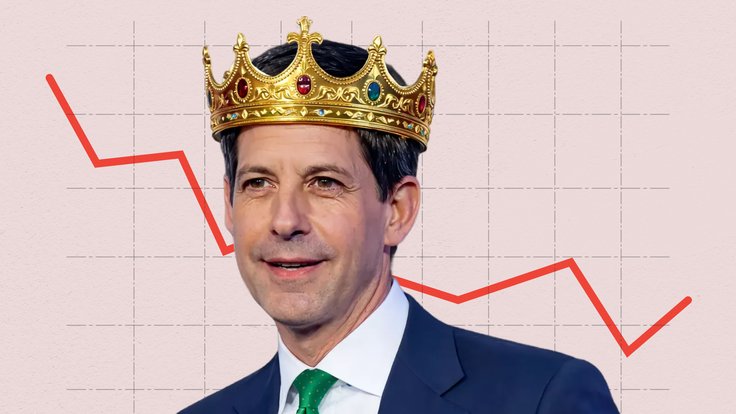
Can Kevin Warsh shrink the Fed’s $6.75 trillion balance sheet?
Federal Reserve Chair Kevin Warsh has long argued that the central bank’s enormous balance sheet distorts financial markets and blurs the boundary between monetary and fiscal policy. Yet after years of quantitative tightening, the Fed has started buying Treasury bills again to maintain ample reserves.
Is the market underestimating the Iran risk again?
US equities are trading near record highs while the Strait of Hormuz remains uncertain and America’s Strategic Petroleum Reserve has fallen to levels last seen in 1983. The apparent contradiction raises an important question: is Wall Street underestimating the Iran risk, or has the market correctly concluded that geopolitics matters only when it begins damaging earnings, inflation and interest rates?

China’s retreat from paper gold could reshape global price discovery
Several of China’s largest banks are restricting retail access to paper-gold products and giving customers the choice of closing positions, selling holdings or taking physical delivery. The measures are officially framed as investor protection after a sharp correction in precious metals, but they also fit China’s longer-term effort to build a gold market where physical settlement carries greater influence over pricing.

Fed risks getting stuck as oil, AI and strong earnings complicate rate decision
The Federal Reserve enters its July policy meeting caught between cooling inflation data and renewed pressure from oil, tariffs and artificial-intelligence investment. Markets briefly assigned an almost 40% probability to a rate hike, but a calmer weekend in the Gulf pushed Brent below $90 and reinforced the possibility that policymakers will remain on hold while waiting for a clearer economic signal.
How Andy Burnham could surprise UK markets this autumn
Andy Burnham’s arrival as UK prime minister has generated little immediate market reaction, but the calm may not last. Tight fiscal rules and a pledge not to raise the biggest taxes point toward a modest Autumn Budget, yet larger moves on public investment, tax reform, borrowing or a snap election could still surprise gilt and sterling markets.

Would higher interest rates really bring down US inflation?
The US enters the third quarter facing a familiar but increasingly complex challenge. Inflation remains above target, while economic growth and the labour market have stayed resilient enough to keep the prospect of further interest-rate increases on the table. The key question is whether tighter monetary policy would meaningfully reduce inflation or simply add pressure to an economy already dealing with supply-driven price shocks.
16 Jul 2026, 12:00
Gold after the correction: Recovery or further downside?
Gold enters the third quarter at an important turning point. After reaching record highs earlier this year, the precious metal has undergone one of its sharpest corrections in recent history as shifting interest-rate expectations reshaped investor sentiment. While central-bank demand continues to provide long-term support, markets will be watching closely to see whether easing monetary policy expectations and technical price action can sustain the recent recovery.
16 Jul 2026, 12:00
Oil's rapid reversal after the Strait of Hormuz crisis
Oil enters the third quarter in a very different position from where it began the year. After surging above $120 a barrel on fears of a major supply disruption, prices have fallen sharply as geopolitical tensions eased and underlying market fundamentals re-emerged. The focus now shifts to whether recovering supply, inventory levels and global demand will keep prices under pressure in the months ahead.
16 Jul 2026, 12:00
The UK balancing inflation, interest rates and the pound
The UK enters Q3 facing a difficult economic backdrop. Inflation remains too sticky, while growth is no longer strong enough to give the Bank of England unlimited room to keep policy restrictive. As a result, markets will be watching every data release closely, because the next move in interest rates, gilt yields and the pound will depend on whether inflation continues to cool without the economy losing too much momentum.
16 Jul 2026, 12:00