Support
 Bank of England pauses, but the inflation fight is not over
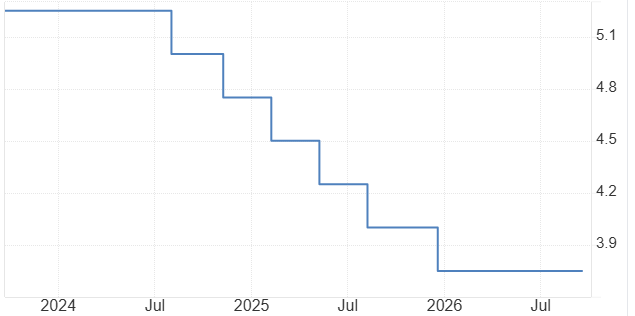
The Bank of England kept Bank Rate at 3.75%, but Thursday's decision was far from a routine hold. Three MPC members wanted a 25-basis-point increase to 4%, while the Bank warned that inflation could move above 4% early next year if the Middle East conflict keeps energy prices high. At the same time, it changed the way it will unwind its gilt holdings, easing the pressure on the long end of the UK bond market.
The MPC voted 6-3 to keep Bank Rate at 3.75%.
Three members backed an increase to 4%.
The Bank sees CPI rising to slightly above 4% in early 2027 under current energy-price assumptions.
Active gilt sales will be paused for six months, with the remaining portfolio now scheduled to be unwound by 2034.
Three members wanted to hike
The split inside the MPC is becoming more important than the decision itself. Megan Greene, Catherine Mann and Huw Pill voted for a 25bp increase, arguing that the longer the energy shock lasts, the greater the risk that higher prices feed into wages and domestic inflation. Their concern is not simply the next CPI print. It is what happens when elevated energy costs meet wage negotiations and inflation expectations.
The majority took a different view
Six members preferred to wait because domestic inflation pressures have not yet shown the same persistence as energy prices. The labour market remains soft and there is still evidence of slack in the economy, which should help contain second-round effects. That leaves the door open to a hike later in the year if the energy shock refuses to fade.
Source: Bank of England
Energy is pushing the inflation forecast higher
The change in the Bank's outlook is striking. The latest calculations suggest UK CPI could rise to around 3.75% in the fourth quarter of 2026 and slightly above 4% in the first quarter of 2027. The increase is almost entirely linked to higher oil, gas and refined-product prices following the escalation in the Middle East.
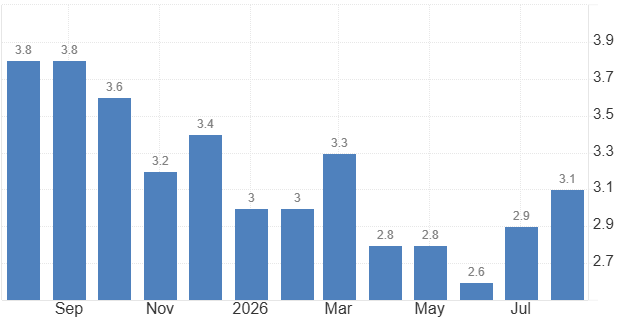
UK inflation was already 3.1% in August, well above the 2% target, although core inflation was 2.6% and services inflation eased to 3.4%. That distinction matters because the Bank still has limited evidence that the energy shock has fully spread into domestic price-setting.
But the longer the shock lasts, the harder that argument becomes
The Bank's own minutes note that higher energy prices have so far produced weaker-than-expected indirect effects. Officials are now worried those effects may simply be delayed rather than disappearing.
Source: Office for National Statistics
The gilt market gets some breathing room
The other major decision came from the Bank's balance sheet. The BoE will pause active gilt sales for six months, while stopping sales of long-dated gilts altogether. It still intends to reduce its stock of government bonds to zero overtime, but the process will now run through 2034, with an average annual reduction of about 46 billion, including maturity.
That is a meaningful change for the bond market
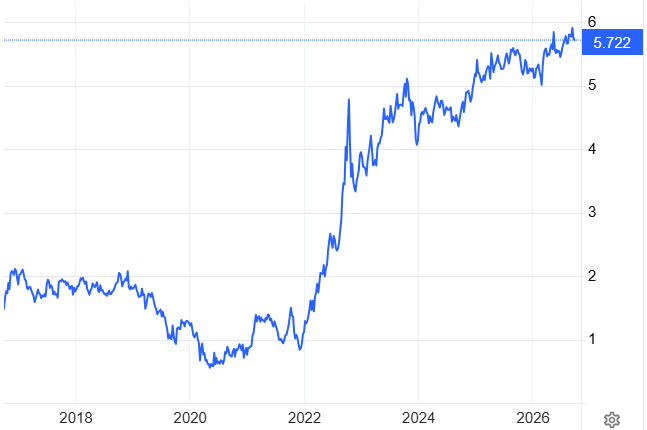
Thirty-year gilt yields had recently reached their highest level since 1998, so continuing to sell long-dated bonds into a weak market risked adding another source of supply just as investors were already demanding higher returns. The decision immediately helped the long end, with the 30-year yield falling after the announcement. The Bank has not abandoned quantitative tightening. It is changing the pace and composition of it.
The BoE still wants a smaller balance sheet, but it is giving the gilt market more time to absorb the adjustment.
Source: Trading economics
What comes next for the BoE?
The next few inflation readings will decide which side of the MPC's argument gains ground. If oil and gas remain elevated and wage growth stops easing, the three dissenting votes could become a larger bloc. The Bank has already acknowledged that the case for tightening is building if the conflict remains unresolved.
But there is another side to the equation. Higher rates will not produce more oil or lower global energy prices. They can only reduce the risk that an external shock becomes embedded in domestic inflation.
That leaves the BoE walking a narrow line: wait long enough to see whether the energy shock fades, but not so long that inflation becomes harder to reverse.
For gilts, the pause in active sales offers some relief. For sterling and rate markets, however, the inflation data remain the bigger driver. The 6-3 vote shows that the debate over another hike has already started.