Support
Gold holds near $4,600 as markets wait for Warsh at Jackson Hole
Gold held near $4,600 as investors waited for Kevin Warsh to clarify whether the Fed can stay on hold despite renewed inflation pressure.
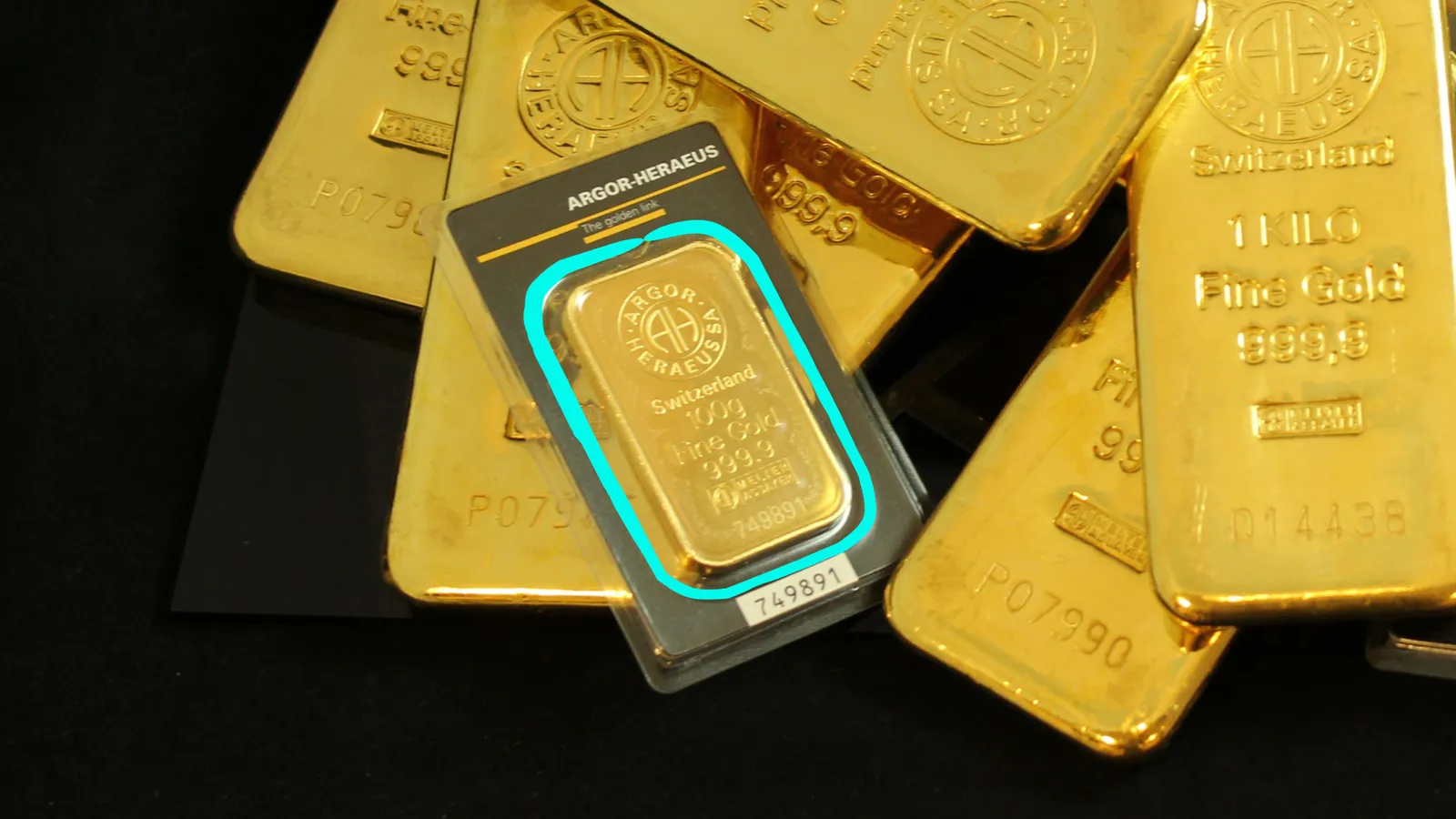
Gold traded around $4,600 an ounce and was on track to finish the week little changed.
Markets assign roughly a 65% probability that the Fed will keep rates unchanged in September.
The probability of at least one Fed hike by December remains above 70% after stronger-than-expected U.S. inflation data.
Treasury debt buybacks have added another layer to the debate around U.S. deficits, long-term borrowing costs and the dollar.
Oil prices remain elevated as renewed Russia-Ukraine tensions offset improving signals from the Middle East.
Gold pauses near $4,600 before Jackson Hole
Gold was little changed around $4,600 an ounce on Friday, leaving the metal close to flat for the week as investors avoided making large bets before Federal Reserve Chair Kevin Warsh speaks at the Jackson Hole symposium.
The lack of direction reflects an unusually complicated rates outlook. Markets currently see about a 65% probability that the Fed keeps its benchmark rate unchanged in September, suggesting investors still believe policymakers can wait for more evidence before tightening again. At the same time, stronger-than-expected inflation data has kept the possibility of another rate hike very much alive later in the year.
That is why Warsh's speech matters. Investors are less interested in a precise forecast for September than in whether the Fed chair believes the recent inflation setback is serious enough to keep tightening on the table.
September and December are telling different stories
The current interest-rate pricing shows how divided the outlook has become.
A roughly 65% probability of no change in September means markets still lean toward patience at the next meeting. Yet the implied probability of a rate increase by December remains above 70%.
Those two numbers are not contradictory. They suggest investors increasingly expect the Fed to delay rather than abandon another tightening move.
Recent economic data has given policymakers reasons to wait. Signs of softer labor demand and weaker economic momentum argue against unnecessarily tightening financial conditions in September. Inflation, however, remains the obstacle to declaring the cycle finished.
If price pressures stay firm over the next few months, the Fed could leave rates unchanged in September and still tighten later in the year.
For gold, that distinction is critical.
Why Warsh’s message matters for gold
Gold has no yield, making changes in the expected return on cash and government bonds especially important.
A more hawkish Jackson Hole message would strengthen expectations for another rate hike and could lift real Treasury yields. That would increase the opportunity cost of holding bullion and potentially support the dollar, creating two simultaneous headwinds for gold.
A more patient message would have the opposite effect.
If Warsh emphasizes weaker growth, labor-market risks or the tightening already delivered through elevated longer-term yields, investors could reduce expectations for additional Fed tightening. That would make it easier for gold to hold above $4,600 and potentially challenge recent highs again.
The important variable is therefore not simply whether the Fed hikes in September. It is whether Warsh convinces markets that the next meaningful policy risk is still tighter monetary policy.
Inflation is keeping the Fed from closing the door
The latest inflation data has complicated the Fed's position.
Markets had become increasingly comfortable with the idea that softer economic activity would allow policymakers to stay on hold. A hotter inflation reading forced investors to reconsider that assumption.
That is reflected in the unusually high probability of a hike before year-end even though September itself is still priced toward no change.
For gold, persistent inflation can work in two directions. Concern about purchasing power can support demand for the metal, but inflation that forces the Fed to raise rates can simultaneously push bond yields higher and strengthen the dollar.
At the moment, the second channel is limiting gold's ability to extend its rally.
This helps explain why bullion is holding around $4,600 rather than reacting aggressively to continued fiscal and geopolitical uncertainty.
U.S. debt concerns remain another support for gold
Monetary policy is not the only factor supporting the market.
The Treasury's decision to expand purchases of longer-dated government debt has revived discussion around the scale of U.S. borrowing and how policymakers intend to manage elevated long-term yields.
The buybacks themselves do not reduce the government's total debt burden. They mainly change the composition of Treasury supply and improve liquidity in parts of the market.
The broader fiscal numbers remain the issue.
As investors become more sensitive to deficits, debt-service costs and the amount of government bonds markets must absorb, demand has increased for trades designed to hedge against long-term currency debasement.
Gold is one beneficiary of that trend.
This does not mean Treasury buybacks automatically weaken the dollar or push gold higher. The more important question is whether investors interpret them as ordinary debt management or evidence that policymakers are becoming increasingly uncomfortable with market-driven borrowing costs.
The dollar will help determine the next move
The dollar sits between the Fed and gold.
If Warsh keeps the possibility of additional tightening firmly alive, U.S. yields could remain attractive relative with other major markets and support the dollar. That would make further upside in gold more difficult.
If markets reduce rate-hike expectations, the dollar could lose part of that support.
This is particularly important with gold already around $4,600. At these levels, a meaningful extension of the rally probably requires either lower real yields, a weaker dollar or renewed demand for defensive assets.
Without one of those catalysts, gold may remain caught in consolidation even if the longer-term fiscal argument remains supportive.
Oil adds another complication to the Fed outlook
Energy markets are also worth watching because oil can quickly change the inflation debate.
Crude prices remain elevated as renewed escalation in the Russia-Ukraine conflict offsets signs of diplomatic improvement in the Middle East.
For the Fed, sustained high oil prices matter more than individual geopolitical headlines. If elevated energy costs begin feeding into transportation, production and consumer prices, the case for another rate increase becomes stronger.
A meaningful decline in oil would have the opposite effect, helping inflation moderate and reducing one of the risks keeping the Fed cautious.
That means the path for gold over the next several weeks will depend partly on an unusual combination of variables: Fed policy, inflation, Treasury yields, the dollar and energy prices.
What Kevin Warsh’s Jackson Hole speech could mean for gold prices
Gold's stability around $4,600 reflects a market waiting for clarity rather than one lacking important catalysts.
September is currently tilted toward another Fed hold, with roughly a 65% probability of unchanged rates. The bigger risk lies later in the year, where the probability of a hike by December remains above 70% following stronger inflation data.
Warsh therefore does not need to announce a policy direction at Jackson Hole to move markets. The tone of his inflation assessment may be enough.
If he emphasizes persistent price risks and keeps another hike firmly in play, higher real yields and a stronger dollar could limit gold's upside. If he gives greater weight to slowing growth and the tightening already delivered by financial markets, the balance could shift back in gold's favor.
For now, $4,600 is less a conviction price than a waiting point.
The next move will depend heavily on whether Jackson Hole makes investors more or less convinced that the Fed's tightening cycle still has one more hike left.