Support
US-Iran talks delay keeps oil relief fragile as war premium fades
The delay in Vice President JD Vance’s trip to Switzerland has reminded markets that the US-Iran framework is not yet a finished deal. Formal face-to-face negotiations were expected to begin, but the process was disrupted after renewed violence in southern Lebanon.
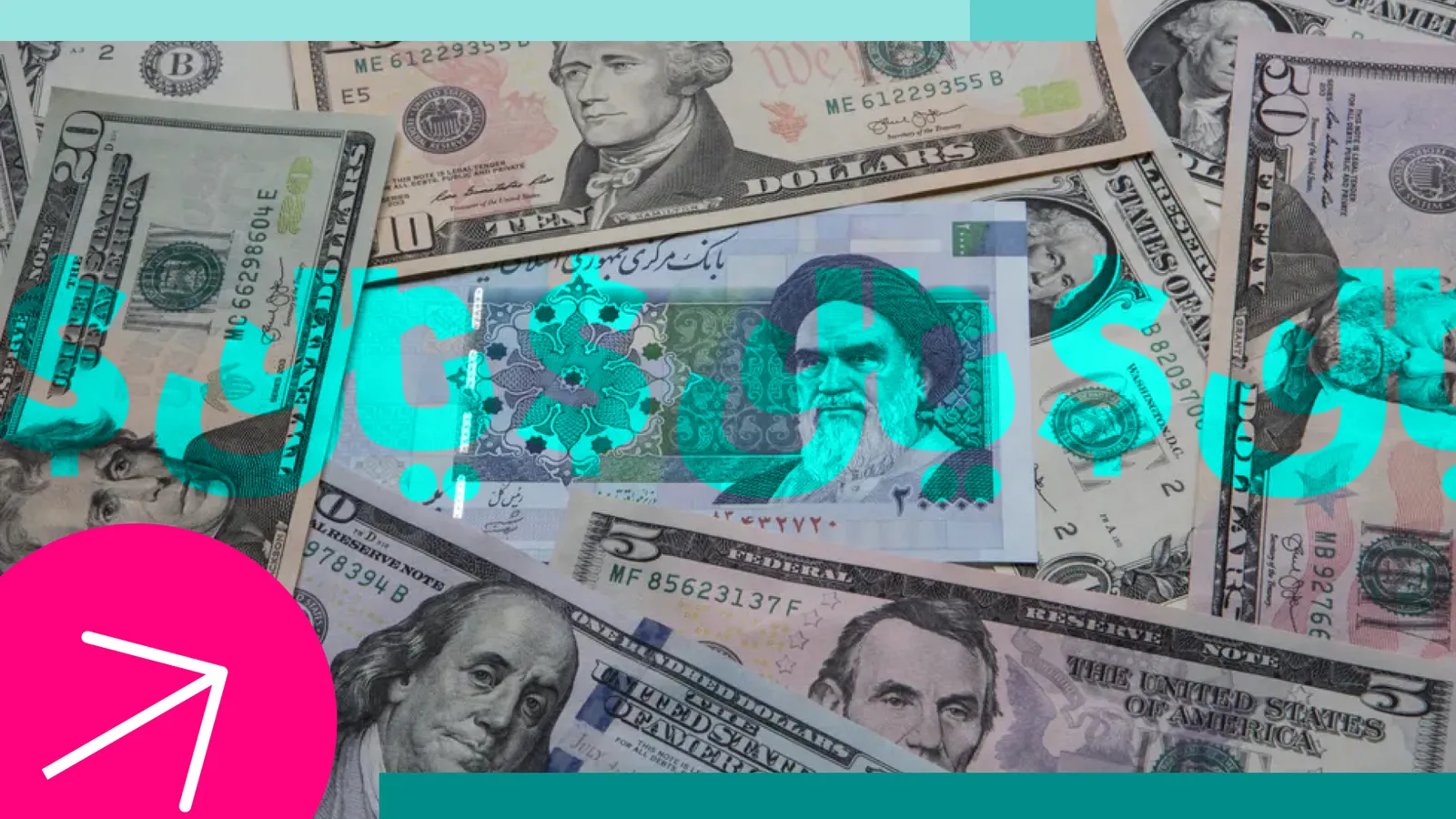
The framework reportedly includes partial sanctions relief and a proposed $300 billion reconstruction fund for Iran.
The Pentagon has requested $80 billion from Congress to cover war-related and other costs.
Oil prices have fallen as markets price a lower probability of prolonged war.
US-Iran talks delay shows oil relief is still fragile
If the war is moving toward a political settlement, the immediate threat to energy flows falls. That reduces pressure on shipping, lowers the fear around supply disruption and weakens the argument for an elevated geopolitical premium in crude.
But the delay in Vance’s Switzerland trip shows why the market cannot treat the framework as a final settlement yet.
The talks are not happening in a quiet environment. Violence in southern Lebanon has already complicated the diplomatic timeline, and that matters because regional conflicts rarely stay neatly separated. A ceasefire framework can look strong on paper, but one escalation on the ground can quickly change the political mood.
That is why the oil move should be seen as relief, not certainty.
Markets are not saying the region is stable. They are saying the worst-case scenario looks less likely than it did before.
The $300 billion question
The framework reportedly includes a proposed $300 billion reconstruction fund for Iran, along with partial sanctions relief. This is one of the most important parts of the deal because it goes directly to incentives.
For Iran, reconstruction funding and sanctions relief are the economic reason to stay inside the process. After months of war damage and financial pressure, Tehran needs a visible path toward recovery. Without that, the political cost of making concessions becomes harder to justify domestically.
US officials do not want to be seen as giving Iran a financial reward before commitments are implemented. That is why the language around “pay-for-performance” matters. If Iran receives benefits only after changing behavior, the framework is easier to defend in Washington. If money appears to move too early, the deal becomes politically vulnerable.
This is where the next phase could become difficult. The headline number sounds large, but the real question is not only the size of the fund. It is who pays, when the money flows, what conditions are attached and whether sanctions relief is phased or immediate.
Oil is pricing the end of war risk
During the war, crude carried a premium because traders had to price the risk of disruption, especially around shipping routes, Iranian exports and broader regional supply. Once a framework appeared, part of that premium became harder to defend.
That does not mean the market believes supply risk has vanished.
It means the market is moving from a war-pricing environment to a transition-pricing environment. In a war-pricing environment, traders pay up for protection because the next shock could be severe. In a transition-pricing environment, they start asking how much supply can return, how quickly sanctions may ease and whether shipping conditions can normalize.
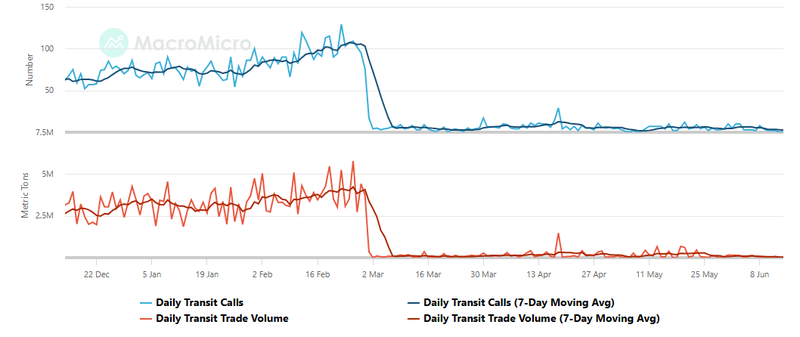
That is why yesterday’s movement through the Strait of Hormuz matters. Two vessels reportedly passed through the strait, giving traders a practical signal that the route is not fully frozen. It does not solve the political problem, but it gives the market evidence that physical flows are still moving.
That is why oil can fall even before all the details are resolved. Markets often move first on probability. Confirmation comes later. But the risk is that prices may be moving faster than diplomacy. If the Switzerland talks are delayed further, or if violence in Lebanon spreads, crude could quickly rebuild some of the lost premium.
Source: MacroMicro
The Pentagon request keeps the war cost visible
The Pentagon’s reported $80 billion request to Congress adds another layer to the story.
It shows that even if diplomacy is moving forward, the financial cost of the regional war is still being counted. The request is not only a budget detail. It is a reminder that the war has already consumed military resources, strained planning and created a political fight over how much more the US should spend.
That matters for markets because war costs shape policy choices.
A rising bill gives Washington more incentive to push diplomacy, especially if voters and lawmakers become more sensitive to defense spending. But it can also harden the debate. Critics may argue against funding a conflict without clearer authorization or stronger conditions. Supporters may argue that the US needs more resources to maintain leverage during negotiations.