
 Support
The AI trade is changing: why investors now want returns, not just spending
The AI trade is changing shape, investors were willing to pay for the companies supplying the chips, servers, networking equipment and data-centre capacity needed to build the AI economy. That logic is becoming less powerful as capital expenditure reaches extraordinary levels and markets begin asking a harder question: where is the return on all that spending?
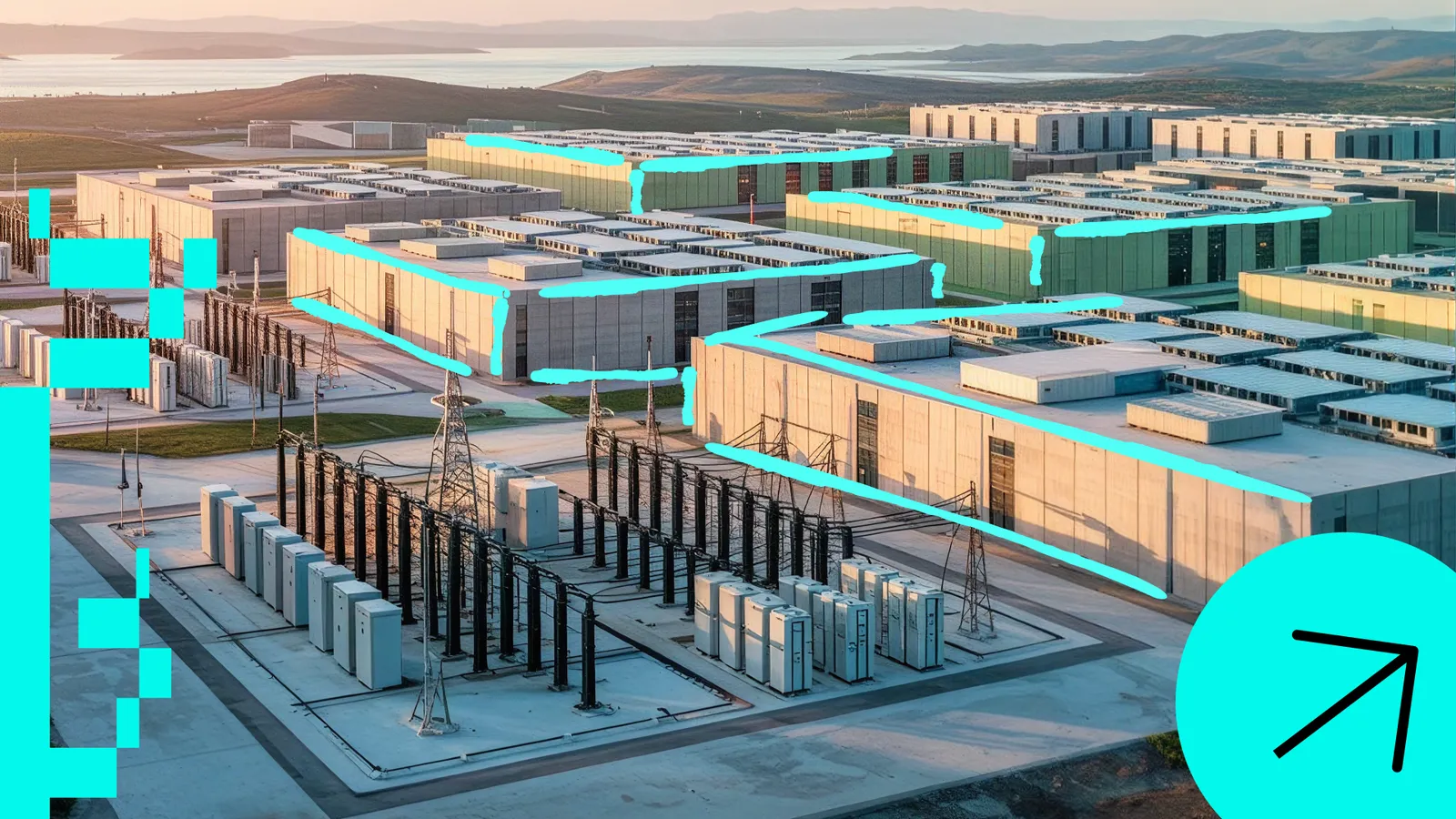
AI investors are increasingly demanding evidence of revenue growth, productivity gains and return on investment rather than capital spending alone.
Software stocks have rebounded as AI products begin contributing more directly to enterprise demand and consumption.
Money is spreading beyond pure AI infrastructure into financials, healthcare, industrials and other businesses using AI to improve efficiency.
Why is the AI trade rotating?
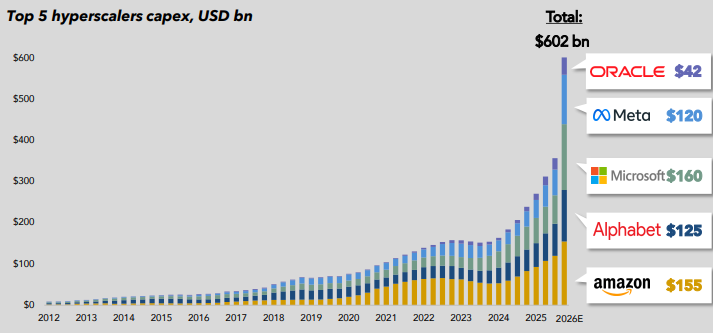
The biggest change is happening between capital expenditure and earnings. Major hyperscalers are spending at unprecedented levels. J.P. Morgan estimates combined AI infrastructure investment by major hyperscalers could reach roughly $742 billion in 2026, up sharply from $416 billion in 2025.
That spending supports chipmakers, cloud providers, networking companies and data-centre operators. But infrastructure only creates value if customers eventually generate enough revenue from it to justify the cost. That is why the market's question has shifted from “Who supplies AI?” to “Who makes money from AI?”
Source: MUFG
Software offers a different economic model
Software companies are receiving more attention because AI can be added directly to existing products and customer relationships. The required investment is often far smaller than building new data centre capacity, while monetization can come through higher subscriptions, usage and new enterprise products.
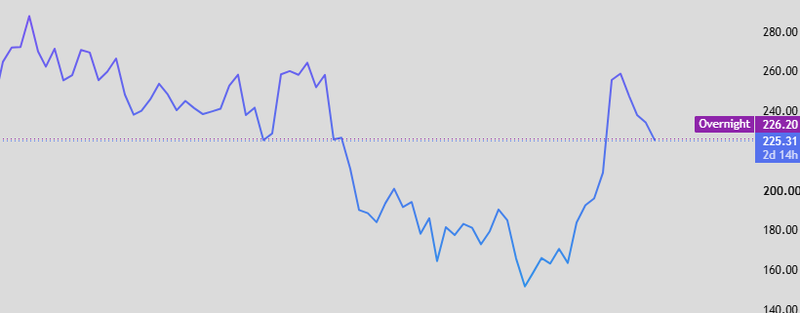
Salesforce is a good example of this rotation. Its shares surged roughly 40% in August as stronger results eased fears that generative AI would simply replace traditional enterprise software. The market instead began focusing on whether AI can increase customer spending, automate workflows and create new revenue streams.
But software is not automatically safe. Investors still need evidence that customers will pay for AI rather than simply experiment with it. That is becoming the new valuation test.
Source: Trading view
Big Tech is no longer one AI trade
The rotation is also happening inside mega-cap technology. Investors are increasingly separating companies according to AI product delivery, cloud demand, monetization and capital intensity instead of simply buying the entire sector.
That helps explain why major technology names can move in opposite directions even when the AI narrative remains intact. Recent trading showed meaningful divergence among Alphabet, Meta and Microsoft as investors reassessed their respective AI strategies.
The next winners may not be technology companies
The more important part of the rotation could be outside the traditional AI sector. Capital is increasingly moving toward businesses using AI to improve existing operations.
A logistics company can optimize routes and inventory. A retailer can improve forecasting. Industrial firms can use predictive maintenance to reduce downtime. Banks can automate parts of customer service and compliance.
The market is now waiting for productivity
This is the foundation of the entire debate. J.P. Morgan estimates AI investment is already above 2% of US GDP, meaning technology is absorbing an unusually large share of economic capital.
Such spending eventually needs to produce higher output
So far, adoption has been rapid, but economy-wide productivity gains remain less dramatic than some of the strongest AI valuations imply.
That gap matters
If AI starts producing measurable productivity gains, companies can expand margins and earnings without endlessly increasing capital spending. If productivity disappoints, investors will begin asking whether the infrastructure boom has moved ahead of the economic payoff.
The AI trade is entering its second test
This is why the current rotation should not automatically be read as the end of the AI bull market. It is a change in what investors are willing to pay for.
The first phase rewarded infrastructure
The next phase is likely to reward monetization, capital efficiency and productivity. That does not eliminate the hardware winners. Companies with strong demand, pricing power and improving returns can continue attracting capital.
But the standard is becoming higher
AI revenue must be recurring. Capital expenditure must produce measurable returns. And companies using AI across the broader economy must begin showing evidence that the technology is improving actual business performance.


