Support
Week Ahead: Inflation takes center stage again
This week brought a sharper shift in expectations for the ECB, RBNZ and BOJ, while the renewed U.S.-Iran fighting pushed oil back above $90 and kept inflation risks alive. Next week, the focus moves to the ECB meeting, U.S. PPI and CPI, and UK GDP. These releases will matter less for the headline numbers than for what they mean for the next move in interest rates.

Eurozone inflation rose to 3.3% in August, while energy prices became a much bigger source of the increase.
The RBNZ raised the cash rate by 25 basis points to 2.75% after inflation reached 4.1% in the second quarter.
The return of fighting between the U.S. and Iran pushed crude higher again, with WTI moving above $90.
Expectations for another 25bp BoJ hike in September.
Nonfarm payrolls increased by 162,000, well above the roughly 56,000 expected.
What shaped markets this week
U.S. jobs came in much stronger than expected
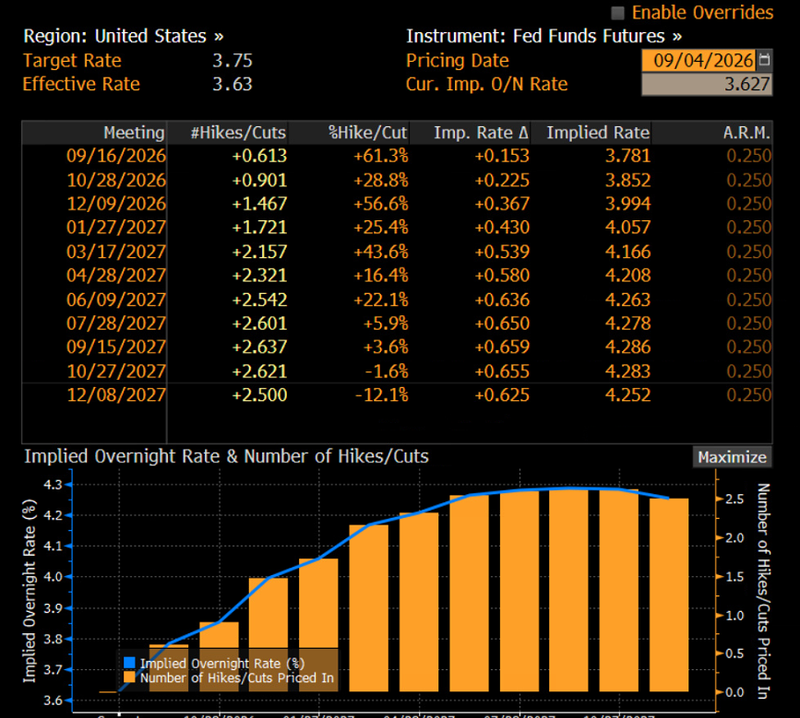
The August jobs report changed the Fed debate. Nonfarm payrolls increased by 162,000, well above the roughly 56,000 expected, while unemployment remained at 4.1%. After July’s 23,000 decline, the rebound was much stronger than markets had anticipated.
The report makes a September rate hike easier to justify, particularly with services inflation and oil prices still running high. The labour market is no longer giving the Fed a strong reason to rush into lower rates. That puts more weight on next week’s CPI and PPI data. A strong inflation reading alongside a 162,000-payroll gain would reinforce the case for tighter policy and keep Treasury yields and the dollar supported. A softer CPI would give the Fed more room to wait, but the jobs report has clearly reduced the pressure to cut.
Source: Bloomberg
Eurozone inflation puts another ECB hike firmly on the table
Eurozone inflation rose to 3.3% in August, while energy prices became a much bigger source of the increase.
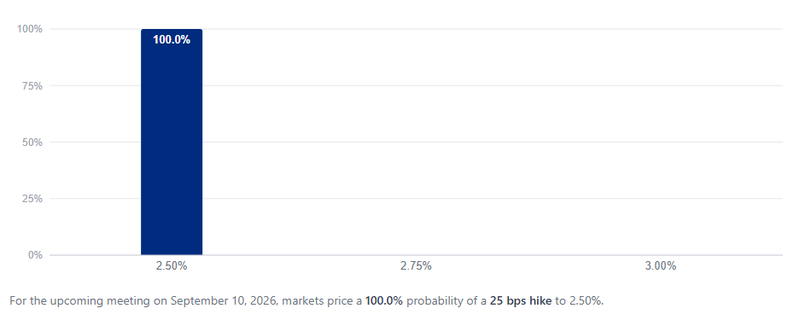
The ECB is now widely expected to raise rates by 25 basis points in September. The bigger issue is whether it stops there. Isabel Schnabel has argued that policy may still need to become tighter because inflation could remain above target for longer than expected.
That leaves the ECB facing a familiar problem: energy is pushing inflation higher while growth remains weak. If oil stays high, another rate increase after September becomes easier to justify. For the euro, the market will be watching ECB’s guidance more than the hike itself.
Source: ECB-watch
RBNZ raises rates and leaves another move open
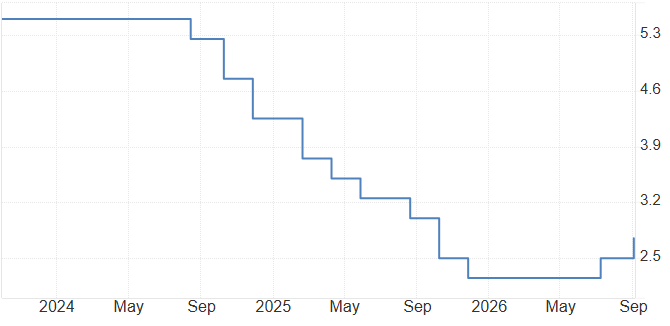
The RBNZ raised the cash rate by 25 basis points to 2.75% after inflation reached 4.1% in the second quarter.
Governor Anna Breman said another increase is possible, but the central bank wants to assess the effect of the hikes already delivered. That keeps the next move open rather than locking the market into a set path.
Higher fuel prices are now making the inflation problem harder. If those costs begin feeding into wages and domestic services, the RBNZ may have to keep rates higher for longer. For the New Zealand dollar, that would support the currency, particularly if other central banks are moving more cautiously.
Source: Reserve Bank of New Zealand
Oil is back near $90 as Hormuz risk returns
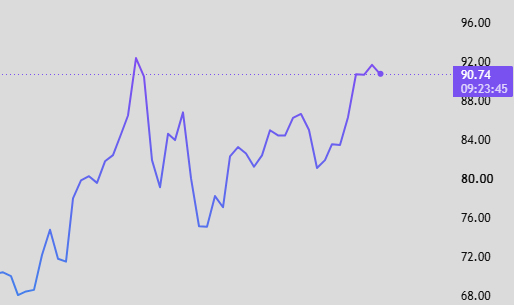
The return of fighting between the U.S. and Iran pushed crude higher again, with WTI moving above $90.
There are still vessels moving through the Strait of Hormuz, but traffic remains well below normal levels. That is enough to keep a risk premium in oil because the market is pricing the possibility of further disruption rather than waiting for a full shutdown.
For central banks, the problem is straightforward. Higher oil feeds into fuel, transport and business costs. Europe is particularly exposed because it is already dealing with higher gas and energy prices. If crude remains elevated, the ECB and other central banks will have less room to ease policy.
Source: Trading view
BOJ hike expectations are rising, and Japan is preparing for intervention
Expectations for another 25bp BOJ hike in September have increased as Japanese policymakers focus more on services inflation and import costs.
BOJ board members have become more comfortable with a faster adjustment in rates. Comments about hiking “nimbly” have reduced expectations that the Bank will move only very slowly.
At the same time, Japan is keeping the intervention threat alive. Atsushi Mimura said Japanese authorities remain in close contact with the U.S. and are prepared to respond to excessive currency moves.
That gives the yen two possible sources of support: higher Japanese rates and direct intervention. It also puts more pressure on the yen carry trade, especially if Japanese bond yields continue rising.
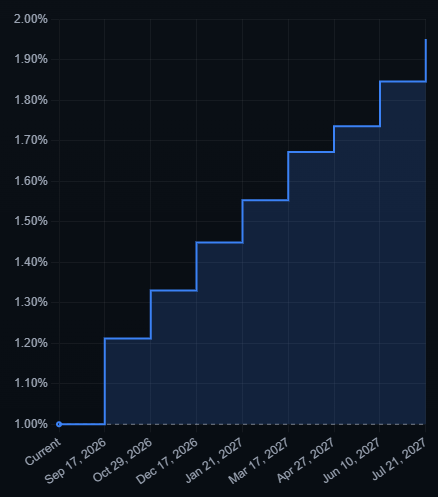
Source: Rate probability
What could move markets next week
ECB: the rate hike is already priced
The ECB is expected to raise rates by 25bp on September 10. Markets are already close to fully pricing that move.
The reaction will come from what policymakers say about the next meeting. A message that keeps another hike alive would push European yields and the euro higher. A clear signal that September marks the end of the cycle would take some pressure off bonds and could weigh on the euro. The latest inflation jump gives the hawkish side a stronger argument, particularly if oil remains high.
U.S. PPI and CPI will shape the Fed trade
U.S. PPI comes first, followed by CPI. The two reports will be watched together because markets are trying to determine whether inflation is cooling enough for the Fed to keep policy on track for easier conditions.
The latest PPI data showed producer prices rising 4.7% year over year in July. The next CPI report therefore carries more weight because it arrives just before the September Fed meeting.
A soft-core CPI would push Treasury yields lower and improve the outlook for rate-sensitive sectors, especially large technology stocks. A stronger print would do the opposite.
The inflation picture also has another problem now: oil. If crude stays around current levels, it becomes harder for the Fed to look through a renewed rise in headline inflation.
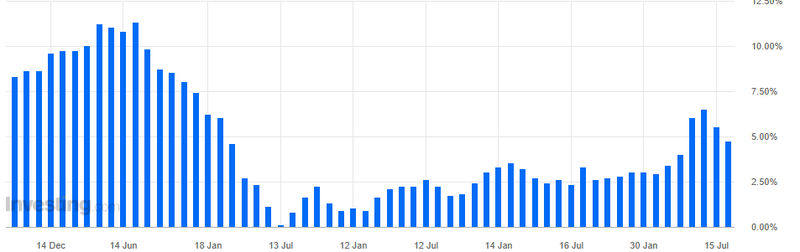
Source: Investing.com
UK GDP will test the BoE’s next move
UK GDP grew 0.3% in June after no growth in May, but the economy is still struggling to build strong momentum.
The next GDP report comes as the Bank of England weighs weak growth against inflation that remains above target. That makes the composition of growth important. A stronger number will give the BoE more room to keep rates restrictive if inflation stays high. A weak reading would put more pressure on policymakers to support the economy.
For sterling, the market is likely to focus on the interest-rate impact rather than the GDP headline itself.
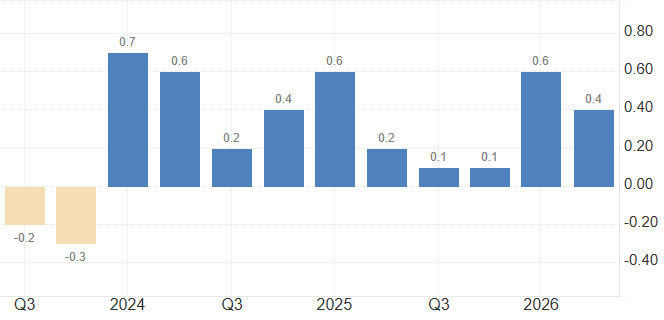
Source: Office for National Statistics
Inflation, oil and rates are now moving together
The biggest market driver next week will be the interaction between the three.
If oil remains high and inflation data stay firm, bond yields can move higher and expectations for rate cuts can fall. That would support the dollar and pressure high-duration equities.
If U.S. inflation cools while European inflation remains elevated, the policy gap between the Fed and ECB becomes more important for EUR/USD.
And if Japan continues toward another rate hike while intervention risk stays high, the yen carry trade could come under more pressure.
Gold - technical outlook
Gold has lost momentum after running into the 4,580 area, where sellers stepped back into the market. The rejection there kept the descending trendline intact and shifted attention away from another breakout attempt toward whether buyers are ready to defend the pullback.
The first level that matters now is 4,430-4,450. That zone has repeatedly attracted buyers and is becoming the line that separates another reset from a deeper move lower. If gold holds there, another attempt toward 4,480 and the overhead trendline stays alive. If that floor breaks, the next area to watch sits near 4,304, where buyers regained control during the previous recovery.
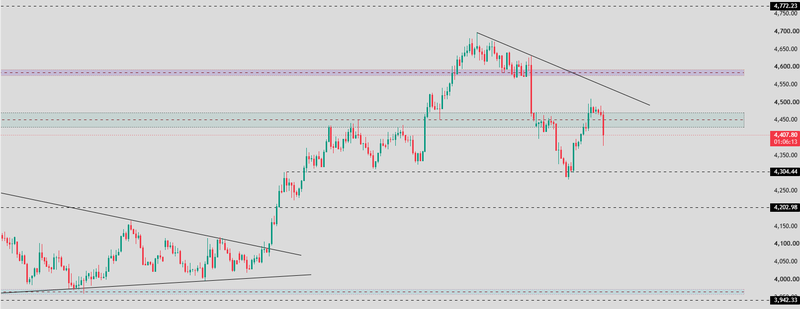
Source: Trading view
DXY – technical outlook
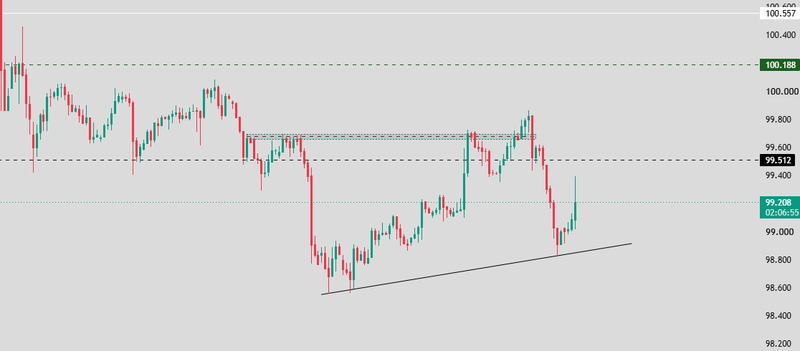
The dollar found buyers around 98.80, and that level has once again kept the rising trendline intact. The latest rebound matters because sellers had a chance to extend the decline and failed, leaving the market trying to rebuild momentum instead of continuing the breakdown.
The next challenge sits at 99.51, with the 99.60 supply zone still capping rallies. Clearing that area would put 100.19 back into view. Until then, the recovery is still being tested, but buyers have managed to keep the broader structure from slipping lower.
Source: Trading view
EURUSD – technical outlook
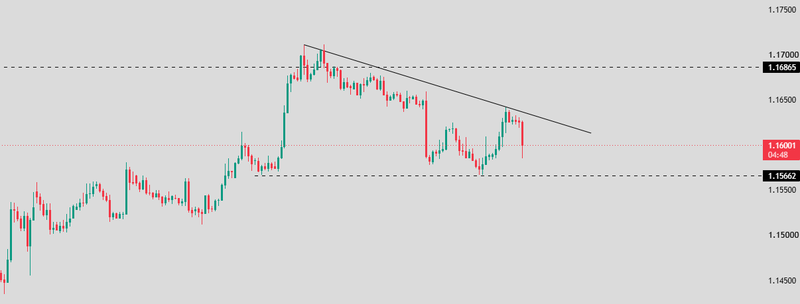
EUR/USD has started giving background after failing to break through the descending trendline from the recent 1.1700 high. The rejection near 1.1640 pulled the pair back toward 1.1600, showing sellers are still active whenever price pushes into overhead resistance.
The market now comes back to 1.1566. That level has repeatedly attracted buyers and is the first place where the recovery needs to hold together. As long as it survives, this still looks like a pause beneath resistance rather than the end of the broader move higher. The next step for buyers is reclaiming the trendline and pushing through 1.1686, which would put the recent highs back within reach.
Source: Trading view