Support
How to invest in SpaceX
SpaceX is preparing for what could become one of the largest public listings ever, with the company targeting an initial market valuation of around $1.77 trillion.
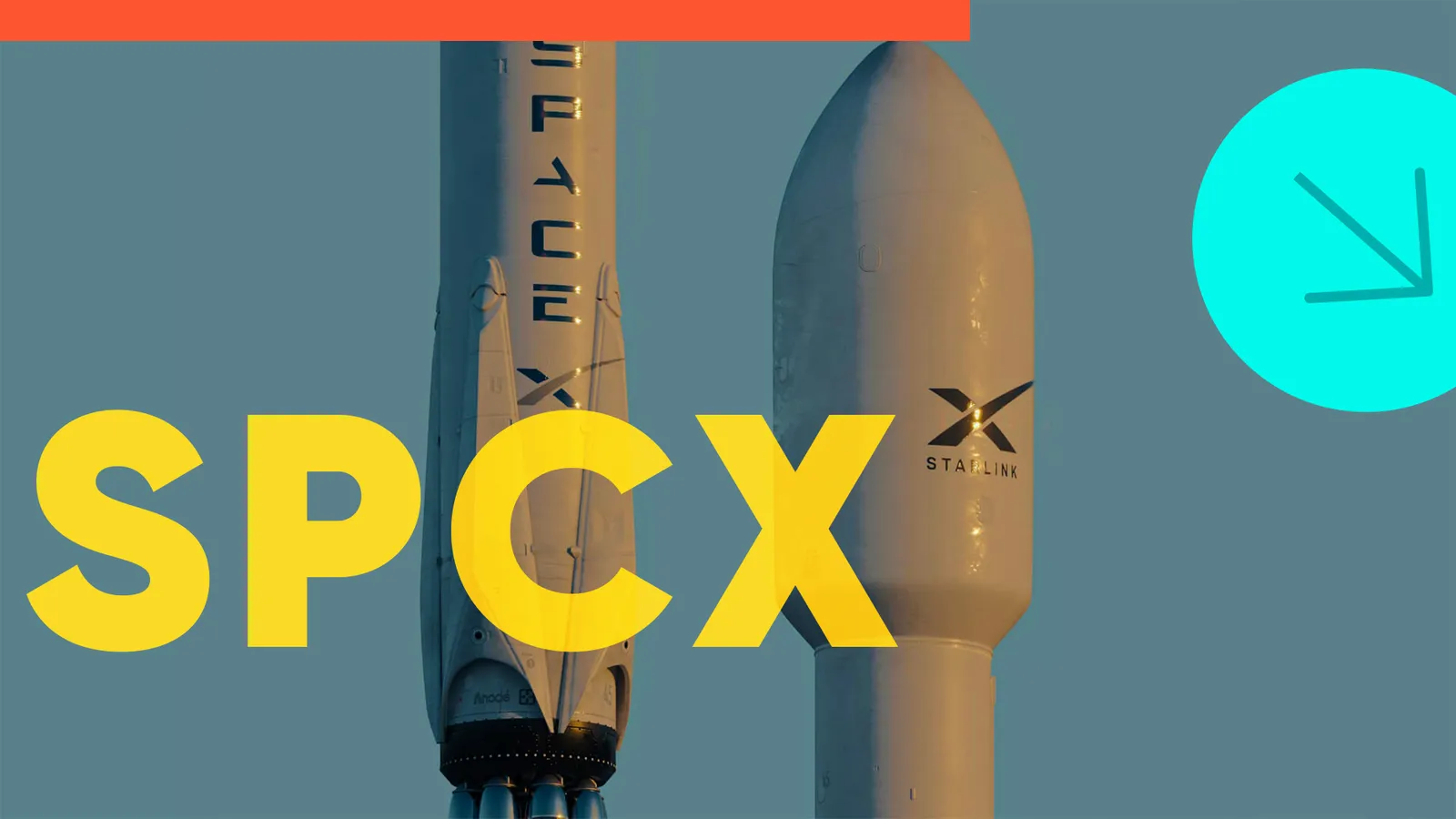
SpaceX will become available for trading on the MT5 platform.
Log into your MT5 account through Equiti and ensure your account type supports stock or share trading products.
Successful rocket launches, government contracts, and commercial partnerships can strengthen confidence in future revenue growth.
Can you invest in SpaceX?
For many years, investing in SpaceX was almost impossible for ordinary retail investors. The company remained private, which meant access was largely limited to venture capital firms, institutions, private investors and employees.
That made SpaceX different from publicly listed companies such as Tesla, Apple or Nvidia, where investors can simply buy shares through a traditional stock exchange. With SpaceX, the investment story was visible to everyone, but the access was not. The available ways to invest in SpaceX.
- Equiti MT5 platform
According to Equiti, SpaceX will become available for trading through MT5. This may be a trading instrument rather than direct ownership of ordinary shares. - Regular investors
If SpaceX becomes publicly tradable, ordinary investors may be able to buy it through a brokerage account, depending on platform access, country rules, and whether fractional shares are available. - Pre-IPO investors
Before a public listing, access is usually much harder. Investors may need to meet certain eligibility standards, such as higher income, significant assets, professional investment experience, or access through a private fund.
- Employees and early investors
SpaceX employees, early backers, and some existing shareholders may already have access to shares through private company arrangements, but this is not usually available to the wider public. - Private funds and investment vehicles
Some investors may gain exposure through private funds, venture funds, family offices, trusts, companies, or structured investment vehicles. These routes usually require larger capital and are subject to strict rules. - International investors
Access depends heavily on location. A SpaceX-related product available in one country may not be available in another. Local regulation, tax rules, investor classification, and platform availability all matter. - Indirect exposure
Some investors may gain indirect exposure through funds or ETFs if those products hold SpaceX shares or add the company after a public listing. This is not the same as owning SpaceX directly.
How to buy Space X before June 12?
Before 12 June 2026, retail investors usually cannot buy SpaceX stock in the normal way because the company is not yet trading publicly on Nasdaq. Until the listing begins, access is generally limited to IPO allocations, private-market deals, eligible investors, employees, or specialized pre-IPO routes.
For most ordinary investors, this means they may need to wait until SpaceX becomes available for public trading or through a regulated instrument offered by their broker. Some investors may also look for indirect exposure through funds that already hold private SpaceX shares, but this is not the same as buying SpaceX stock directly.
Through Equiti MT5, traders generally need to wait until the SpaceX instrument appears on the platform. Once it becomes available, they can log into MT5, open Market Watch, search for the SpaceX symbol, open the chart, and place a trade based on their own strategy and risk tolerance.
Equiti’s MT5 platform supports trading across shares, indices, commodities, ETFs and other markets, but availability depends on the client’s account type, jurisdiction and product list.
The key point is simple: before the public listing, direct access is limited. After SpaceX becomes available, investors need to check whether they are buying actual shares, gaining fund exposure, or trading a product linked to SpaceX. Each option carries different costs, risks, liquidity and ownership rights.
How to buy stocks like SpaceX
Investors who want exposure to companies like SpaceX do not need to wait only for SpaceX itself to become publicly listed. The broader opportunity sits across the space industry, artificial intelligence, defense technology, satellite communications and advanced semiconductors. These sectors are not identical to SpaceX, but they are connected to the same long-term story: future infrastructure, automation, global connectivity and advanced technology. For investors looking at space themes, public companies involved in aerospace, satellites, defense contracts and launch-related technology may offer indirect exposure to similar market drivers.
At the same time, AI stocks can also play an important role, because the future of space technology will depend heavily on chips, cloud computing, data processing, robotics and automation. Another option is to wait until SpaceX becomes officially listed on Nasdaq. If that happens, investors may be able to buy SpaceX shares directly, while broader Nasdaq exposure could also provide indirect participation if SpaceX later becomes part of major technology indices.
Many related stocks and indices can be traded through Equiti MT5 platform, depending on the instruments available on the account. Traders can log in to MT5, search for the relevant stock or index in Market Watch, open the chart and place trades according to their strategy. The important point is to treat this as exposure to the wider SpaceX-style theme, not a direct replacement for owning SpaceX itself.
SpaceX trading on MT5 through Equiti
The arrival of SpaceX on MT5 could make the company much easier for retail traders to follow and trade.
For traders already using Meta Trader 5, the process should feel familiar. After logging into an MT5 account through Equiti, users will need to make sure their account type supports stock or share trading products. Once the SpaceX instrument becomes available, traders should be able to search for it through the Market Watch window, open the chart and place orders based on their own strategy. SpaceX is likely to attract strong attention because of its brand, its connection to Elon Musk, and its position in commercial space, satellite internet and government-linked aerospace contracts. That excitement can create demand, but it can also create volatility.
That is why investors should understand the product before entering a position, especially around leverage, spreads, execution, overnight costs and whether they are trading the underlying share or a derivative exposure.
How to invest in SpaceX through MT5 Equiti
The process is generally straightforward for traders already using Meta Trader 5.
First, log into your MT5 account through Equiti and ensure your account type supports stock or share trading products. Once the instrument becomes available, search for the SpaceX symbol within the platform's Market Watch window.
After locating the instrument, traders can open a chart, analyze price action, and place buy or sell orders according to their strategy.
Before entering a position, it is important to calculate risk, determine position size, and understand how much capital is being allocated to the trade.
Benefits and risks of buying SpaceX stock
Benefits
Buying SpaceX stock could give investors exposure to one of the most important private technology companies in the world. The company has a strong position in rocket launches, satellite internet through Starlink, defense contracts and long-term space infrastructure.
The biggest attraction is growth. SpaceX is not only a rocket company anymore. Starlink has turned it into a global connectivity business, while launch services continue to give it a major advantage. If the company keeps scaling, investors could benefit from years of expansion.
- Exposure to a leading space company
SpaceX has become one of the most recognized names in commercial space, with a strong position in reusable rockets, satellite launches and space infrastructure. - Growth from Starlink
Starlink gives SpaceX a major opportunity beyond launches. Its satellite internet business could continue expanding across households, businesses, aviation, maritime services and underserved regions. - Strong government and defense demand
SpaceX benefits from contracts linked to national security, space exploration and satellite deployment, giving the company a strategic role that few private businesses can match. - Long-term space infrastructure opportunity
If demand for satellites, connectivity and space-based services continues to grow, SpaceX could remain one of the main companies positioned to benefit. - Powerful brand and investor interest
SpaceX has a strong public profile, which could support demand if the stock becomes available to public investors.
Risks
The main risk is valuation. If SpaceX lists at a very high market value, investors may already be paying for years of future growth upfront. That leaves less room for disappointment.
There is also execution risk. SpaceX operates in a capital-heavy industry where delays, failed launches, regulatory issues or rising costs can quickly affect investor confidence.
- High valuation risk
If SpaceX lists at an aggressive valuation, the stock may already reflect a lot of future growth. Any disappointment in revenue, margins or execution could pressure the share price. - Heavy capital spending
Rockets, satellites, launch sites and global connectivity networks require huge investment. That can support long-term growth, but it can also weigh on cash flow. - Execution and launch risk
SpaceX operate in a complex industry where delays, technical failures or launch accidents can affect operations, reputation and investor sentiment. - Regulatory and political risk
Space, defense and satellite internet are heavily regulated sectors. Changes in government policy, licensing rules or international restrictions could affect growth. - Market volatility
Because SpaceX has a very strong public profile, the stock could attract heavy retail demand. That may support early interest, but it could also make trading more emotional and unstable. - Product structure risk
Investors need to understand whether they are buying direct shares, fund exposure, ETF exposure or a trading instrument linked to SpaceX. Each option has different costs, risks, liquidity and ownership rights.
The company may have strong long-term potential, but investors still need to look beyond the name. The real question is not only whether SpaceX can keep growing, but whether the price investors pay leaves enough room for that growth to be rewarded.
What could drive SpaceX price?
Starlink has become one of the company’s most important growth engines, and investors will be watching subscriber growth, international expansion, pricing power and profitability. If Starlink continues to scale successfully, it could strengthen the argument that SpaceX is not only a rocket company, but also a global communications business.
Launch activity is another major factor. Successful rocket launches, new commercial partnerships and government contracts can all support confidence in future revenue growth. The more SpaceX proves it can deliver reliably and repeatedly, the easier it becomes for investors to justify a premium valuation.
Then there is Starship. Starship remains one of the most important long-term pieces of the SpaceX story. Progress toward commercial use could reshape expectations around future missions, cost efficiency and deep-space opportunities. But delays, technical setbacks or regulatory issues could also weigh on sentiment.
Is SpaceX suitable for long-term investors?
The company sits at the center of several major themes: commercial space launches, satellite internet, defense contracts, reusable rockets and future space infrastructure. If those markets keep expanding, SpaceX could remain one of the most important companies of the next decade.
The real question is not only whether SpaceX is a great company. It is whether the valuation already reflects too much of that future too early. At around $1.77 trillion, investors are not buying a small company with hidden potential. They are buying a company that already carries enormous expectations. That is why SpaceX may attract both long-term believers and short-term traders at the same time.
However, future performance will depend on execution, competition, profitability, and broader market conditions. Like any investment, there are no guarantees of success, and positions should be managed with appropriate risk controls.
FAQs
How can a regular person invest in SpaceX?
A regular investor may access SpaceX through IPO participation, post-listing brokerage platforms, or indirect funds. Availability depends on the broker, eligibility rules, and allocation size. Platforms such as Fidelity, Charles Schwab, Robinhood, or international brokers may offer access if shares become available.
Can I invest $100 in SpaceX?
Possibly, but only if the platform allows fractional shares after SpaceX becomes publicly tradable. IPO access may require a higher account balance or eligibility threshold. A $100 investment is more realistic through fractional shares or indirect ETF exposure.
How can I invest in SpaceX before it goes public?
Before public listing, SpaceX access is usually limited to private-market funds, venture funds, secondary platforms, employees, and accredited investors. For most retail investors, pre-IPO access is difficult, so IPO participation or post-listing trading may be the easier route.
What is the minimum amount to invest in SpaceX?
There is no single minimum. It depends on the platform and product. IPO access may require a minimum account balance, while post-listing fractional shares could allow smaller investments. Private market access usually requires much larger commitments and may not suit retail investors.
Is SpaceX profitable?
SpaceX’s profitability depends on the business segment. Starlink has become a major revenue driver and appears stronger financially, while rocket development and space infrastructure still require heavy spending. So, the company may have profitable areas, but also large long-term investment costs.