Support
What is swing trading and how does it work?
Swing trading focuses on capturing price moves that develop over several days or weeks. Traders usually rely on technical analysis, trend direction, support and resistance, and clear risk management rules.
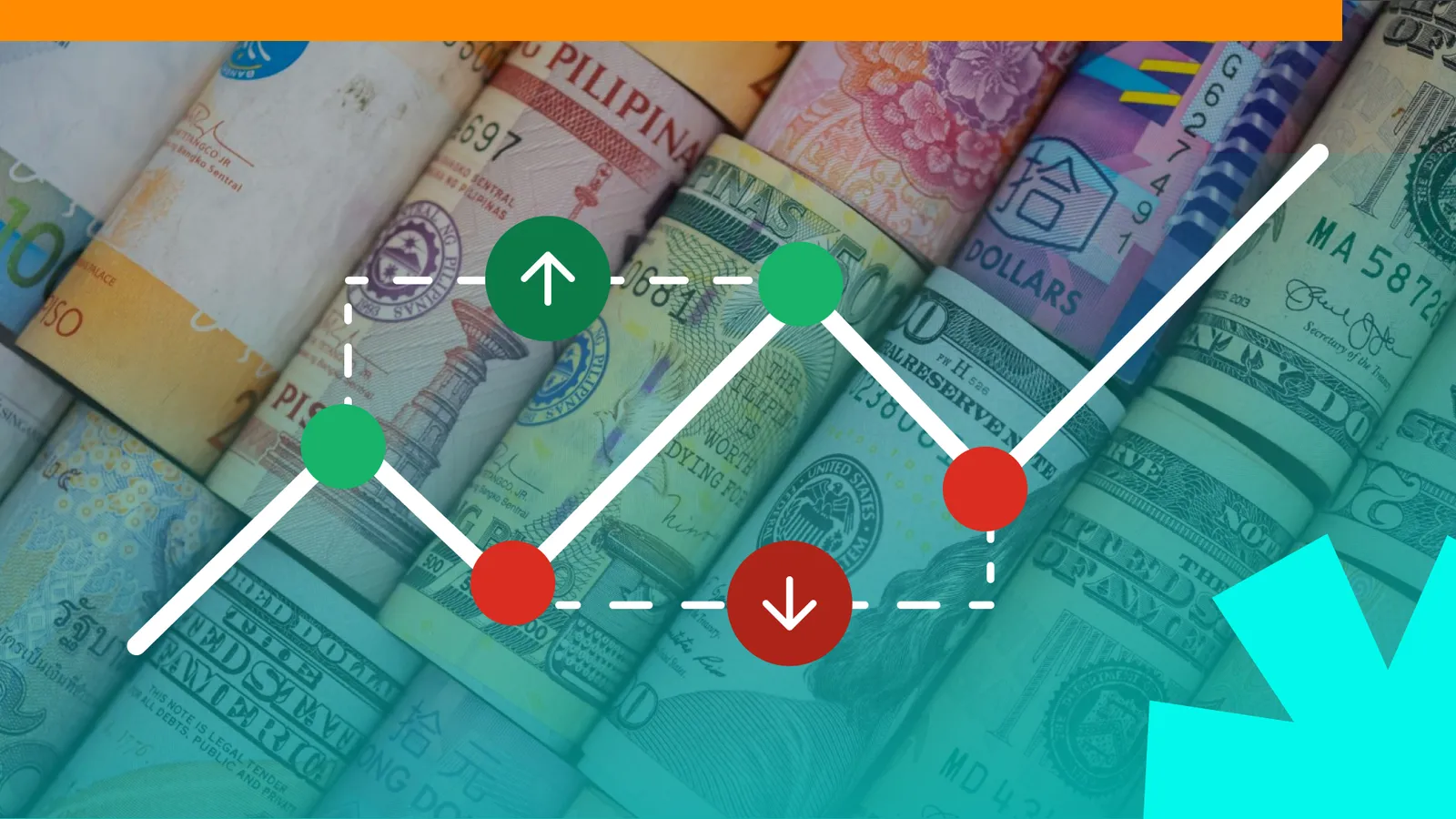
Swing trading positions typically last from a few days to a few weeks.
The strategy focuses on capturing price swings.
Traders rely heavily on technical analysis to identify opportunities.
Overnight market movement is one of the biggest risks.
What is swing trading?
Swing trading is a speculative trading strategy that aims to profit from short-to-medium-term price movements in financial markets. Instead of buying and selling within minutes like a day trader, a swing trader typically holds a position for several days or a few weeks.
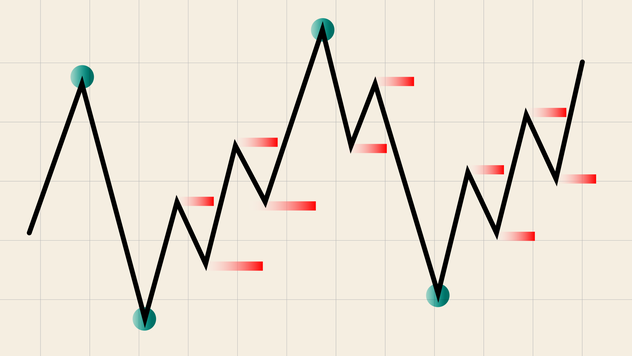
The goal is not to catch the entire trend. It is to capture a meaningful “swing” inside a larger move. A trader may buy after a pullback in an uptrend, sell near resistance, or take a short position when momentum turns lower.
Swing trading is popular because it sits between day trading and long-term investing. It requires more activity than investing, but less screen time than day trading. That makes it attractive for people who cannot monitor charts all day but still want an active trading approach.
How swing trading works
Swing trading is built around market movement. Prices rarely move in a straight line. Even in strong uptrends, markets pull back. Even in downtrends, markets bounce. Swing traders try to identify those shifts early enough to enter before the next move develops.
A basic swing-trading process usually follows five steps.
First, the trader identifies the broader trend. This can be done with moving averages, trendlines, market structure, or higher-timeframe charts. The goal is to know whether the market is generally rising, falling, or moving sideways.
Second, the trader marks support and resistance. Support is an area where buyers previously stepped in. Resistance is an area where sellers previously appeared. Swing traders often look for entries near support in an uptrend and near resistance in a downtrend.
Third, the trader waits for a signal. This may come from a reversal candle, breakout, moving-average crossover, relative strength index signal, volume shift, or momentum confirmation.
Fourth, the trader defines risk. A stop-loss is usually placed at a level where the trade idea becomes invalid. For a long trade, that may be below support. For a short trade, it may be above resistance.
Finally, the trader sets a profit target. This is often near the next major resistance level for long trades or the next support level for short trades.
Swing trading timeframes
Swing trading usually focuses on positions held from two days to several weeks. The exact holding period depends on the asset, volatility, strategy and market environment.
Many swing traders use daily charts to find the main setup, four-hour charts to refine the structure, and one-hour charts to improve entry timing. Some use weekly charts to identify the broader trend before looking for shorter-term opportunities.
The key point is that swing trading does not require every tick of price action. It is less about reacting to every intraday move and more about planning around clear levels, momentum and risk.
What assets can be swing traded?
Swing trading can be used across several liquid markets, including stocks, exchange-traded funds, forex, commodities, and indices.
Stocks are popular because they often trend around earnings, sector rotation, news, valuation changes and broader market sentiment. Forex swing traders may focus on major pairs such as EUR/USD, GBP/USD or USD/JPY, where liquidity is high and macro drivers are clear.
Liquidity matters. The easier it is to enter and exit a position without large slippage, the more suitable an asset is for swing trading. Thinly traded assets can look attractive on a chart, but wide spreads and poor execution can damage results.
Swing trading vs day trading
Swing trading and day trading are both active trading styles, but they operate on different time horizons.
Day traders open and close positions within the same trading day. They usually avoid overnight risk and rely heavily on intraday charts, order flow, news reactions and short-term volatility. This approach requires constant attention and fast decision-making.
Swing traders hold positions overnight and often for multiple days. They do not need to monitor every price movement, but they accept the risk that markets can gap against them after the close or move sharply during off-hours.
The advantage of swing trading is flexibility. The disadvantage is overnight risk.
Swing trading vs position trading
Position trading is longer-term than swing trading. A position trader may hold an asset for months or even years based on major trends, economic cycles or fundamental themes.
Swing traders are more tactical. They may care about fundamentals, but their entries and exits are usually based on technical levels and price behavior. A swing trader might capture a two-week rally inside a larger six-month trend, while a position trader tries to ride the full trend.
Common swing trading strategies
There is no single swing-trading strategy. Most traders combine technical tools to create a repeatable process.
Trend-following swing trading
This strategy looks for trades in the direction of the main trend. In an uptrend, traders buy pullbacks near support, moving averages or previous breakout levels. In a downtrend, they look for rallies into resistance before selling.
The idea is simple: trade with momentum, not against it.
Breakout swing trading
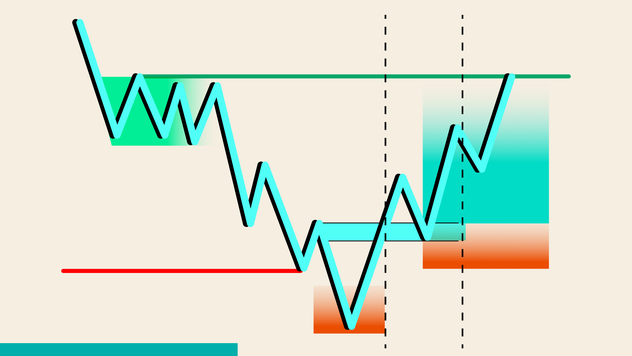
Breakout traders look for price to move above resistance or below support. A breakout can signal that a new swing is starting. Traders often look for rising volume or strong momentum to confirm that the breakout is not false.
Breakouts can be powerful, but they can also fail quickly. That is why stop placement and confirmation matter.
Reversal swing trading
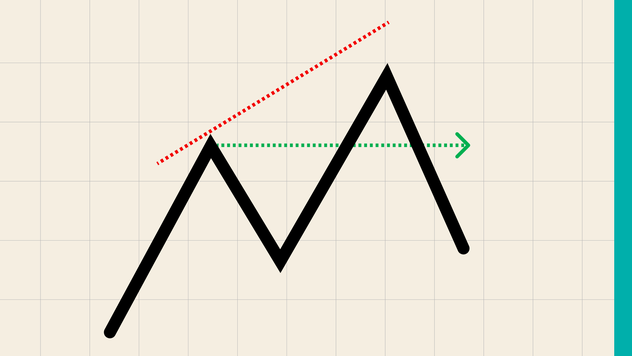
Reversal trading tries to catch the point where a short-term trend changes direction. Traders may use candlestick patterns, RSI divergence, double tops, double bottoms, or failed breakouts.
This can offer strong risk-reward, but it is harder than trend-following because the trader is often going against recent momentum.
Range swing trading
When markets move sideways, swing traders may buy near support and sell near resistance. This works best when the range is clear and volatility is controlled.
The risk is that the range eventually breaks. Once price closes strongly outside the range, the old support or resistance may stop working.
Key indicators for swing trading
Swing traders often use a small group of indicators rather than overloading the chart.
Moving averages help identify trend direction. A rising 50-day moving average can signal an uptrend, while a falling moving average may confirm weakness.
The relative strength index, or RSI, helps measure momentum. It can show when an asset is stretched, losing strength or forming divergence.
Volume can confirm whether a move has participation behind it. A breakout with strong volume is usually more convincing than a breakout on weak activity.
Support and resistance remain the foundation. Indicators can help, but price levels usually matter most.
Main risks of swing trading
Swing trading can look simple, but the risks are real.
The first risk is overnight gaps. Stocks can open sharply higher or lower after earnings, economic data, geopolitical news or analyst changes. A stop-loss may not execute at the expected price if the market gaps beyond it.
The second risk is volatility. Fast markets can trigger stops before the larger move continues. This is especially common around major economic releases, central-bank decisions and high-impact news.
The third risk is overtrading. Because swing trading produces frequent setups, traders can start forcing trades instead of waiting for clean opportunities.
The fourth risk is cost. Spreads, commissions, financing charges and taxes can reduce net returns, especially for traders who trade too often.
Is swing trading profitable?
Swing trading can be profitable, but it is not automatically profitable. The strategy depends on discipline, risk control, market selection and execution.
A trader can have a good strategy and still lose money if position sizing is poor. Another trader can have a modest win rate and still perform well if average winners are larger than average losers.
The best swing traders do not try to predict every move. They build a process. They wait for setups, control losses, avoid emotional entries and keep records of their trades.
Profitability comes from consistency, not excitement.
Who is swing trading suitable for?
Swing trading may suit traders who want an active market approach but cannot watch charts all day. It may also suit traders who prefer planning trades around daily or four-hour charts instead of reacting to every intraday move.
It is less suitable for people who cannot tolerate overnight risk, struggle with discipline, or use leverage without a clear plan. Swing trading requires patience. The trade may take days to develop, and the market will rarely move in a straight line.
FAQs
What is swing trading in simple terms?
Swing trading is a strategy where traders buy or sell assets and hold them for several days or weeks to profit from short-to-medium-term price movements.
How long do swing traders hold positions?
Swing traders usually hold positions for two days to several weeks, depending on the setup, asset and market trend.
Is swing trading better than day trading?
Swing trading is not necessarily better than day trading. It requires less screen time, but it carries overnight risk. Day trading requires more attention but usually avoids overnight exposure.
What is the best timeframe for swing trading?
Many swing traders use daily charts for setups, four-hour charts for structure and one-hour charts for entries. The best timeframe depends on the trader’s strategy and risk tolerance.
Can beginners do swing trading?
Beginners can learn swing trading, but they should start with education, paper trading, small position sizes and strict risk management before risking meaningful capital.
What indicators are used in swing trading?
Common swing-trading indicators include moving averages, RSI, MACD, volume and support and resistance levels.
What is the biggest risk in swing trading?
The biggest risk is overnight exposure. Markets can gap sharply against an open position after news, earnings or major economic events.
Is swing trading investing?
No. Swing trading is active speculation over days or weeks. Investing usually focuses on long-term ownership based on fundamentals, income or long-term growth.