Help
Help 
New Zealand is entering a harder phase of the rate cycle
The Reserve Bank has already pushed the Official Cash Rate to 2.75%, but the conversation has shifted. It is no longer about whether rates needed to rise. It is about how much further they can go before the economy starts feeling the weight of tighter policy.
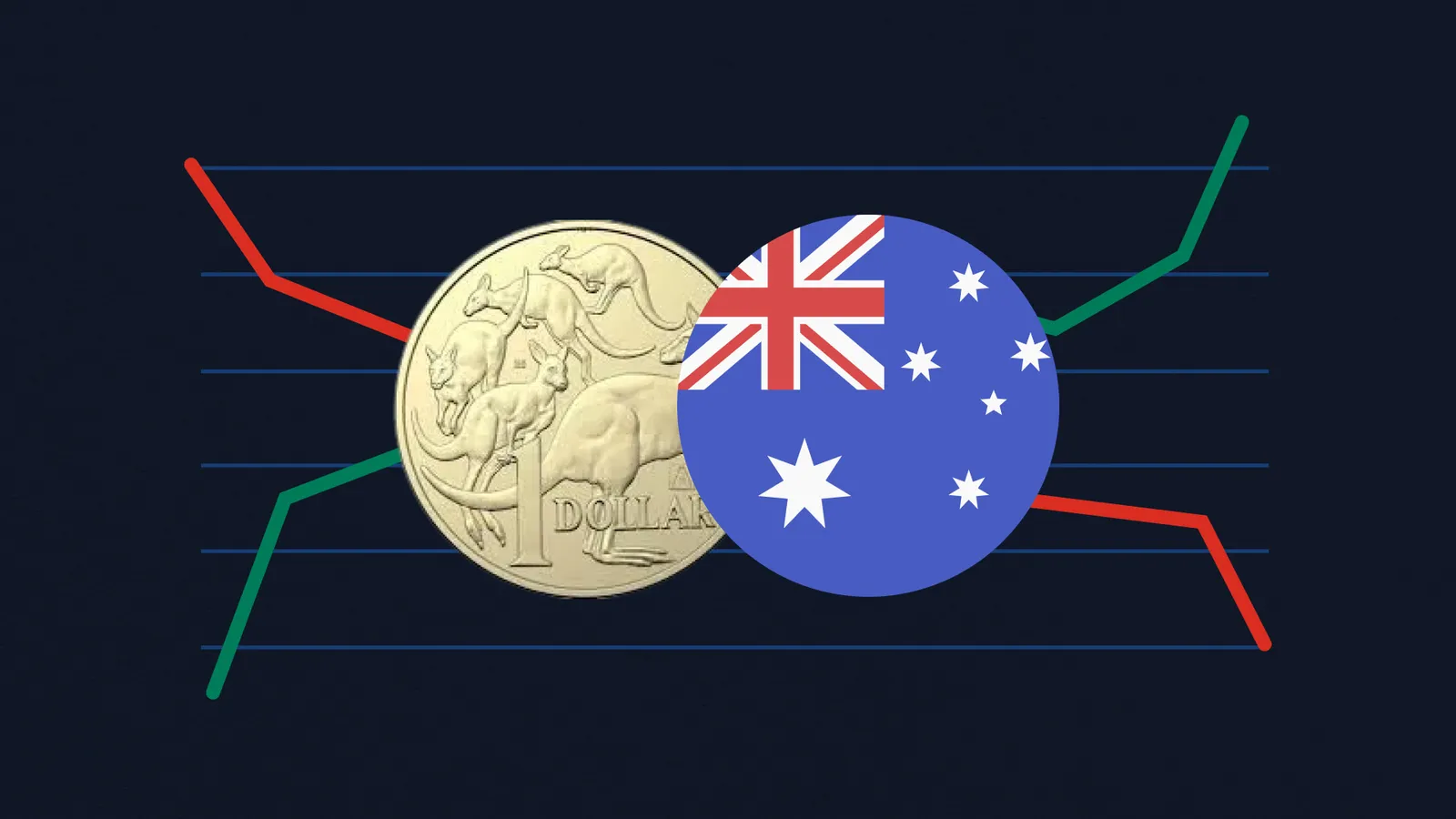
Inflation jumped to 4.1% in the June quarter.
Markets are pricing another RBNZ hike as the most likely next step.
New Zealand's 10-year bond yield is near its highest level since 2024.
Fiscal pressures are beginning to compete with inflation concerns.
Inflation has stopped looking temporary
The latest inflation jump looks different from earlier waves of price pressure. Headline inflation climbed to 4.1% in the June quarter, but much of that move came from higher fuel prices linked to the Middle East conflict rather than a broad surge across the domestic economy. Core inflation has remained comparatively steadier, giving the RBNZ a more complicated decision than the headline number suggests.
That distinction explains Breman's tone
She has repeated that policy is moving closer to neutral while insisting the OCR is not on a preset path. In other words, the bank still believes rates need to lean against inflation, but it is becoming more selective about where inflation is coming from.
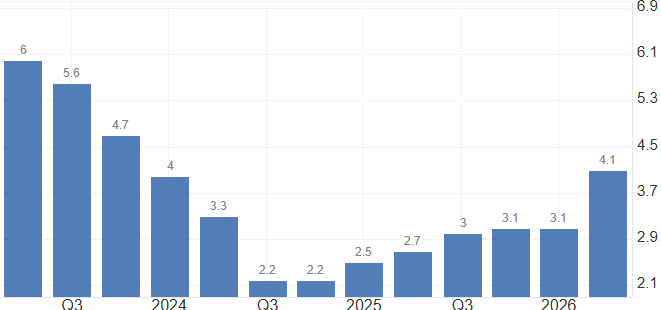
Source: Statistics New Zealand
Bond markets are already moving ahead of the RBNZ
The most important move may not be happening at the RBNZ at all. New Zealand's 10-year government bond yield has climbed back toward levels last seen in 2024, and that changes how monetary policy reaches the economy. Higher long-term yields push up mortgage rates, corporate borrowing costs and government financing even before another OCR decision arrives.
That creates an unusual situation
The official cash rate is approaching neutral territory, but financial conditions have become tighter than the OCR alone would suggest. Investors are effectively asking for a larger premium to lend money, making the bond market an increasingly active participant in the inflation fight. For the RBNZ, that cuts both ways. Higher yields help cool demand. They also raise the cost of tightening too far.
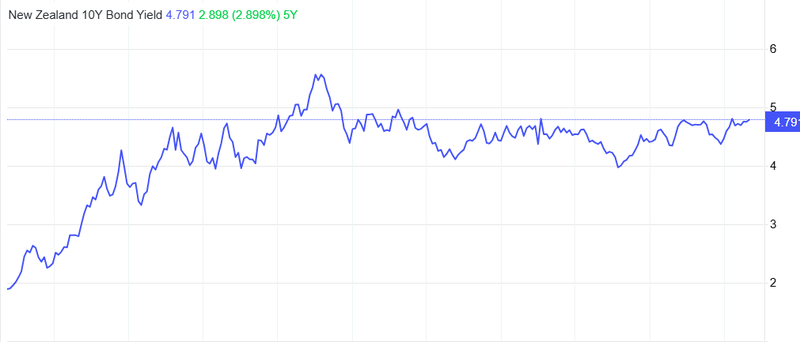
Source: Trading economics
The government's promise comes with a deadline
The fiscal picture has become harder to ignore. Finance Minister Nicola Willis has promised to return New Zealand's budget to surplus by 2029, a commitment designed to reassure investors that today's borrowing will not become tomorrow's fiscal problem. The bond market is looking at a different number.
S&P expects interest payments on government debt to consume roughly 9% of government revenue by the end of the decade, meaning a growing share of public money will go toward servicing debt instead of funding new priorities.
That does not point to an immediate fiscal crisis
It does mean every move higher in bond yields makes the government's target more expensive to reach. The market is beginning to treat fiscal discipline as something that has to be earned rather than simply promised.
The next decision matters beyond New Zealand
The RBNZ has made one thing clear. Another rate increase remains possible. The bank raised the OCR to 2.75% this week, but officials were equally clear that future decisions will depend on incoming inflation, growth and labor-market data rather than a fixed hiking schedule.
That leaves New Zealand facing the same challenge appearing across much of the developed world. Inflation still argues for restrictive policy. Bond markets are tightening conditions on their own. Governments are promising fiscal restraint while paying more to finance existing debt.
The next chapter may not be decided by another quarter-point move
It may be decided by whether investors keep believing New Zealand can bring inflation back toward 2% without letting higher borrowing costs become the next drag on the recovery.
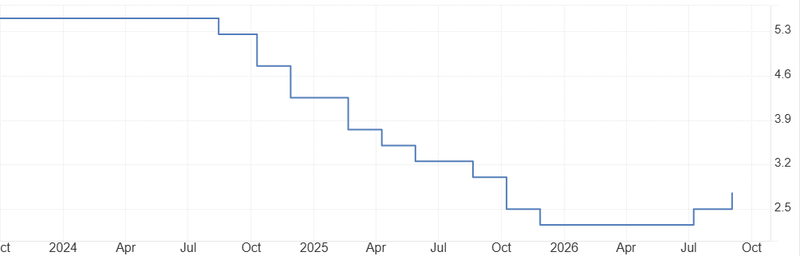
Source: Reserve Bank of New Zealand