Help
RBNZ split vote moves the rate question to December
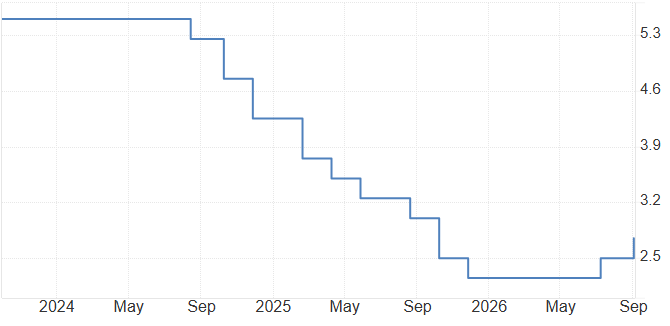
The Reserve Bank of New Zealand surprised markets by holding the cash rate at 2.75%, but the vote was not dovish. Members agreed policy may need to be tightened again; they disagreed over acting now or letting increases reach the economy.
Four members preferred to assess the effects of the July and September increases.
Three members wanted an immediate 25-basis-point increase to 3%.
Inflation is expected to rise again, while household demand and the labour market remain weak.
The disagreement was about timing, not direction
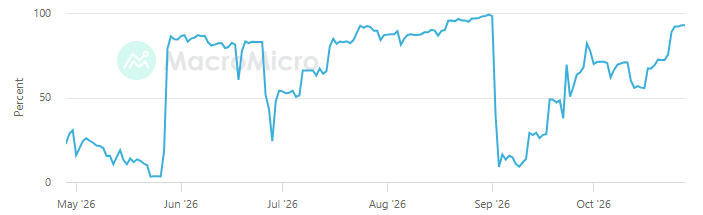
Markets had positioned for another increase after the RBNZ raised rates in July and September. The decision to hold at 2.75% sent the New Zealand dollar down as much as 1.7% and pushed two-year swap rates lower. But the reaction reflected the removal of an immediate hike, not a clear signal that tightening was over.
The split vote exposed the dilemma facing policymakers. The majority wanted time to assess how earlier increases were affecting demand, employment and prices.
The three members favouring an immediate hike were more concerned that waiting could allow inflationary pressure to spread, leaving the Bank needing to act more aggressively later. December therefore becomes a test of whether the existing restraint is working quickly enough.
Source: Reserve Bank of New Zealand
Inflation is easing, but the pressure is uneven
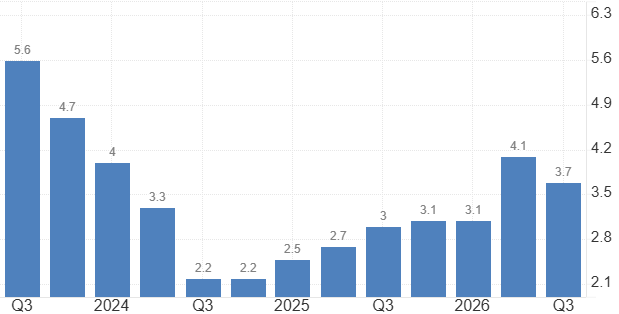
Annual inflation slowed to 3.7% in September from 4.1%, coming in below the RBNZ’s forecast. Subdued wage growth and stable medium-term inflation expectations give policymakers some room to wait, particularly while household demand and employment remain weak.
The concern lies in what the headline figure conceals. Core inflation has moved towards the upper end of the 1%–3% target range, while 56% of the CPI basket recorded annual price increases above 3%.
Petrol prices rose 19.1% year on year, and electricity prices increased 9.3%. These figures do not prove that inflation is becoming entrenched, but they raise the risk that higher energy and transport costs will spread to other prices.
For the RBNZ, the decisive question is whether those increases remain temporary or begin to influence broader pricing behaviour.
Source: Statistics New Zealand
The pause changes the inflation calculation
The RBNZ expects headline inflation to reach 4.4% in December as fuel costs rise. The New Zealand dollar had already fallen roughly 3% since early September, increasing the local cost of imports. Its further decline after the decision could deepen that pressure.
The currency response makes the pause part of the inflation outlook. Holding the OCR protects borrowers for now, but a weaker New Zealand dollar raises the imported cost of the shock.
It also creates an awkward loop: the more markets read the decision as dovish, the more the currency may fall and the stronger the case for a later increase. The exchange rate will show whether waiting bought time or shifted the adjustment to December.
New Zealand is not experiencing one economy
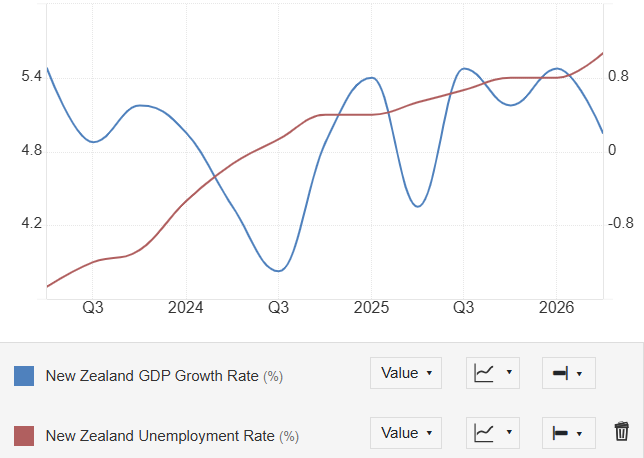
The case for waiting becomes clearer in the domestic data. GDP expanded by only 0.2% in the June quarter after growing 0.9% in the previous three months.
Unemployment reached 5.6%, its highest level in roughly 11 years, while annual wage inflation was only 2%. The economy has little room to absorb another increase without weakening consumption and employment further.
Households are absorbing higher petrol, electricity and borrowing costs alongside job insecurity and weak income growth. Retail volumes have fallen, and demand remains subdued outside export-oriented regions.
If consumers cut discretionary purchases, firms will find it harder to pass transport and energy bills into final prices. Weak demand would then do part of the RBNZ’s work.
Source: Statistics New Zealand
Why the next six weeks matter for mortgages and household demand
An OCR increase does not reach most households on the day it is announced. Many borrowers are on fixed mortgage rates, so the July and September increases reduce disposable income only as loans are refinanced.
Six-month to two-year mortgage rates have risen by 20 to 30 basis points, while the average rate paid across existing mortgages has changed little. By December, the RBNZ should know whether rising repayments are weakening consumption enough to limit firms’ pricing power.
Moving now could tighten household budgets before the earlier decisions are fully visible; waiting reveals more of that pass-through but leaves the Bank exposed if currency weakness keeps inflation elevated.
The useful signal will be what households do after refixing. Cutting spending would reduce near-term inflation pressure; drawing down savings or taking on more debt would allow demand to hold up and weaken the case for another pause.
Stronger sectors complicate the domestic picture
Export-facing conditions complicate the decision. Commodity prices, goods exports and tourism support regional incomes, while Auckland construction shows early recovery.
The minority treated this resilience as evidence that another increase would not hit the whole economy at once and that firms could still pass through higher freight and energy costs. The majority focused on weak employment and the mortgage lag. This divergence explains the unusually narrow vote.
What would change the December decision
A further rise in core inflation, renewed currency weakness or evidence that higher input costs are moving into services and wages would strengthen the case for an increase. Softer household spending, deteriorating employment or a global downturn would support another pause.
The key is not whether headline inflation rises as forecast, since fuel already makes that likely. It is whether the shock changes domestic pricing before weaker demand contains it.
The vote exposed a race between two lags: imported inflation spreading into domestic prices, and earlier rate increases reaching households through mortgages. By December, one should be much easier to see.
Source: MacroMicro