Help
Help 
Trump drops 20% Hormuz fee but keeps Iran blockade
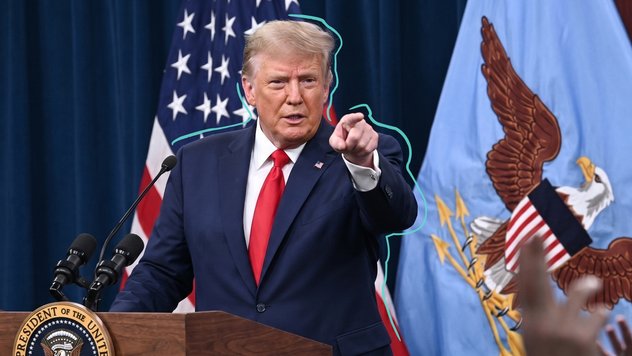
President Donald Trump has abandoned his proposed 20% charge on cargo moving through the Strait of Hormuz after Gulf governments pushed back against the plan. The US will instead seek trade and investment commitments from regional allies, while continuing its blockade on Iranian shipping and expanding military strikes along Iran’s coast.
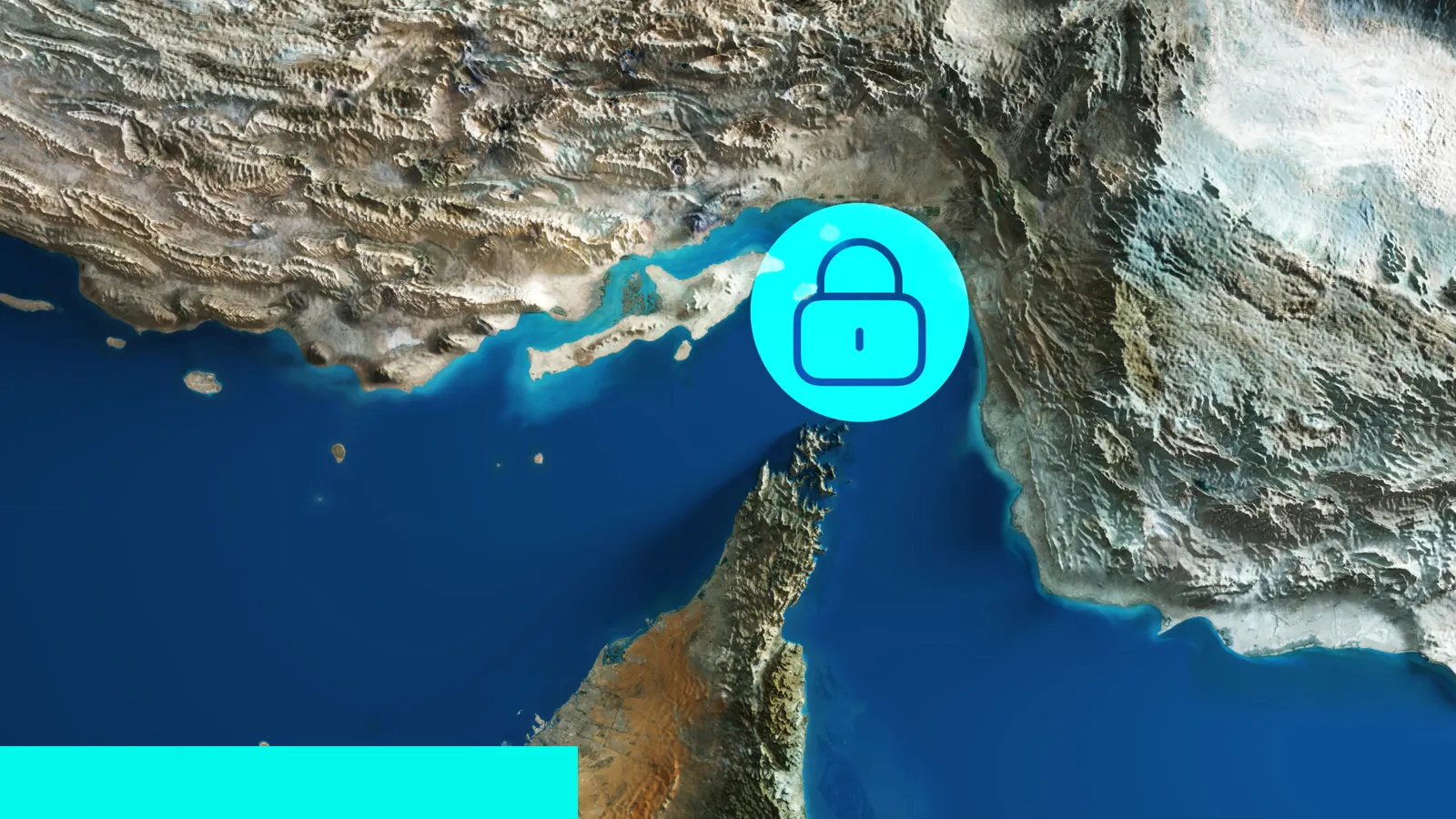
Trump dropped the proposed 20% Hormuz cargo charge one day after announcing it.
The US blockade on Iranian shipping remains in effect.
Brent traded near $86 after rising 11% over the previous two sessions.
Trump abandons the Hormuz fee
President Donald Trump has reversed his plan to impose a 20% charge on cargo crossing the Strait of Hormuz after strong opposition from US allies in the Gulf.
The decision came only one day after Trump announced the proposed fee, which he had described as reimbursement for the cost of US protection and security in the strategically important waterway.
Trump said the expected revenue from the fee would instead be replaced by trade and investment agreements involving Gulf states and the US.
He did not identify which countries would participate, how much they would invest or whether any new commitments had already been secured.
At least one regional government has indicated that it did not agree to increase its existing investment commitments in exchange for the fee being withdrawn.
Gulf allies push back against transit charges
The reversal followed pressure from Saudi Arabia, Qatar, Bahrain, Kuwait and the United Arab Emirates.
Gulf governments objected to the idea of imposing tolls on vessels using Hormuz, a route that carried roughly one-fifth of global oil flows before the war.
Regional officials were also concerned that a US charge could create a wider precedent. If Washington or Iran were allowed to charge ships passing through an international strait, other countries could attempt to impose similar fees in strategically important waterways.
That risk was particularly sensitive because Gulf exporters depend on open access to Hormuz, while Asian economies rely heavily on the crude and liquefied natural gas shipped through it.
The pressure persuaded Trump to shift from a direct transit charge toward a less defined package of investment agreements.
Proposed fee could have cost supertankers $30 million
The 20% proposal would have imposed an enormous cost on energy shipments.
A fully loaded very large crude carrier could have faced a charge of roughly $30 million, far above the tolls Iran has reportedly collected from some vessels.
Those costs would likely have been passed through to oil buyers, refiners and ultimately consumers.
One estimate suggested the fee could have added around 37 cents per gallon to US gasoline prices. That would have complicated Trump’s efforts to contain inflation ahead of the November midterm elections.
It would also have raised freight costs for Gulf oil exporters and Asian importers, while potentially encouraging shipowners to avoid the route or demand higher compensation for using it.
Dropping the fee removes one direct source of inflation risk, although the broader military conflict continues to threaten energy prices.
Iran shipping blockade remains in force
Trump’s reversal did not reduce the military pressure on Iran.
The US resumed its blockade on Iranian shipping to and from the country’s ports and coastal areas at 4 p.m. Washington time on Tuesday.
That means Iranian vessels and customers moving oil or other cargo from Iranian ports remain exposed to US restrictions, even though non-Iranian commercial traffic will not face the proposed 20% charge.
The distinction is important for oil markets. The fee would have affected most cargo moving through Hormuz. The blockade is more targeted, but it could still reduce Iranian exports and provoke further retaliation against shipping.
The blockade also confirms that the interim US-Iran peace agreement has effectively broken down.
Brent remains near a one-month high
Oil prices stayed elevated despite Trump’s decision to cancel the fee.
Brent crude moved toward $86 a barrel after rising 11% over the previous two trading sessions.
The rally reflects the continuing risks from the blockade, US strikes and Iranian retaliation. Removing the 20% charge reduces one source of potential cost, but it does not solve the underlying supply problem.
Markets remain focused on whether Iran can continue exporting crude, whether commercial tankers can transit Hormuz safely and whether military attacks spread to oil production, refining or export facilities.
The latest price move suggests traders are still pricing a meaningful geopolitical risk premium.
Policy reversal highlights an uncertain US strategy
Trump’s decision illustrates how quickly US policy toward Hormuz is changing.
Washington has alternated between demanding free passage, discussing compensation for naval protection and proposing direct cargo fees. Trump has previously suggested that both the US and Iran could receive some form of payment from shippers.
The abrupt reversal has reinforced market perceptions that some of the administration’s most aggressive proposals may be softened after financial or diplomatic pressure.
But the decision does not mean the US is stepping back from the conflict. The blockade remains, strikes are continuing and Trump is still threatening to expand the campaign.
The policy has become less costly for non-Iranian cargo in the immediate term, but it remains highly confrontational toward Tehran.