Help
Help Bank of Canada paused, the market started pricing the next hike
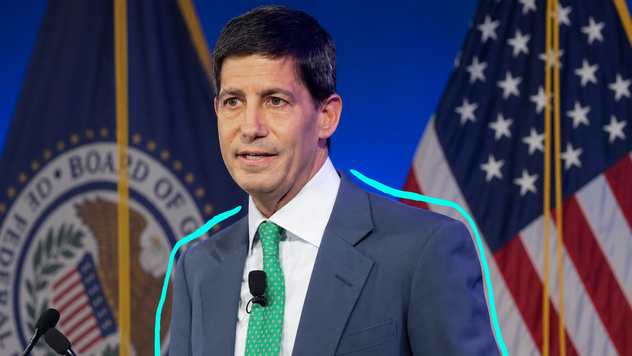
The Bank of Canada left rates unchanged. The harder message came afterward. Inflation is drifting higher again, oil is pushing up price pressures, and a new trade fight with the United States has made the growth outlook harder to read. Instead of signaling relief, Governor Tiff Macklem made it clear that another hike remains on the table if inflation refuses to cooperate.
The Bank of Canada held rates at 2.25%.
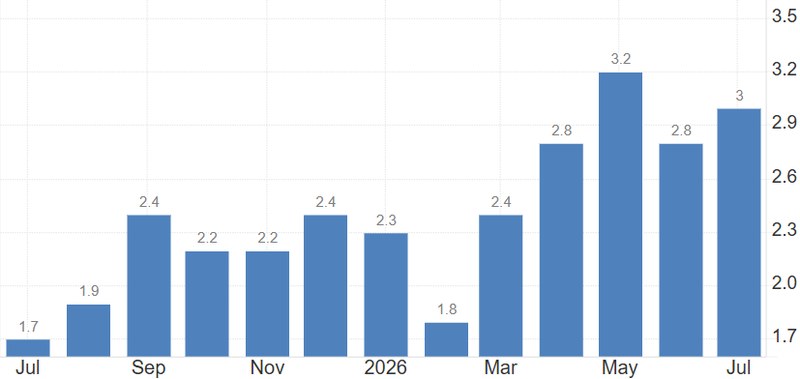
Inflation has moved back toward 3%, well above the 2% target.
Markets fully price a December rate hike.
Tariffs and higher oil prices are pulling policy in opposite directions.
Macklem is trying to avoid declaring victory too early
The Bank's statement sounded more cautious than comfortable. Officials acknowledged that inflation risks have increased while refusing to lock themselves into a fixed path for future meetings. That matters because Canada's inflation problem has started changing shape. Earlier in the cycle, demand was the bigger concern. Today, more of the pressure is coming from costs the central bank cannot control directly.
Oil sits at the center of that shift
Canada usually benefits when crude prices rise because energy remains one of the country's largest exports. This time, the same price increase is feeding inflation just as households are still adjusting to higher borrowing costs. That leaves the Bank balancing two opposing forces: stronger export income on one side and stickier inflation on the other.
Source: Statistics Canada
The tariff fight is changing the outlook
The bigger uncertainty is no longer coming from domestic demand. It is coming from the border. New U.S. tariffs on Canadian goods and Ottawa's plan to respond with matching countermeasures have reopened questions about investment, manufacturing and business confidence. Trade disputes rarely hit the economy overnight, but they tend to make companies more cautious about hiring and spending while they wait for clearer rules.
That creates an uncomfortable policy mix
Tariffs can slow growth while pushing prices higher at the same time. For a central bank, that is one of the hardest combinations to manage because easing policy risks feeding inflation, while tightening further risks weakening the recovery.
Inflation problem is becoming harder to separate from politics
The Bank of Canada is also facing a problem that interest rates alone cannot solve. Higher oil prices are lifting export revenues, but they are also feeding inflation through fuel, transport and business costs. At the same time, tariffs are making imported goods more expensive while discouraging investment, creating the kind of cost-driven inflation that is much harder for central banks to cool without slowing the economy further.
That helps explain why markets have become so confident about December. Investors are no longer pricing another hike because the economy looks too strong, they are pricing it because inflation is becoming harder to push back toward 2% while trade policy and energy prices keep adding pressure from outside the Bank's control.
Bond markets are already leaning toward tighter policy
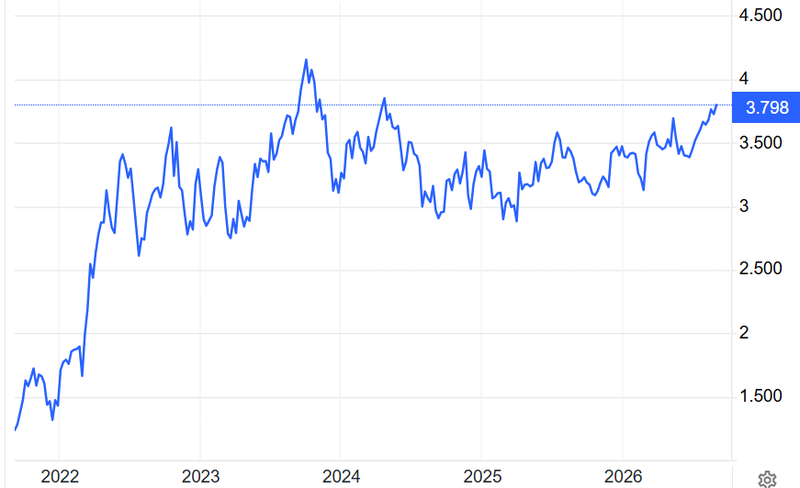
Investors have largely made up their minds before the Bank has. 10 years Canadian bond yields are close to 2024 high as traders price another move before year-end, and the December meeting has become the next major checkpoint. Markets are no longer asking whether rates stay unchanged next month. They are asking what evidence would be strong enough to stop another hike from happening.
That raises the hurdle for incoming data
If inflation stays near 3%, wage growth remains firm and oil keeps adding pressure to consumer prices, the case for another increase becomes much easier to defend. A sharper slowdown in activity would point in the opposite direction, but policymakers have made it clear that inflation still carries more weight than premature optimism.
Source: Trading economics
December is becoming the real decision
The Bank of Canada has bought itself time. The market has not. By fully pricing another hike, investors have shifted attention away from September's pause and toward whether the next few months confirm Macklem's warning that inflation has become harder to finish off than expected.
The bigger question is no longer whether rates stayed at 2.25%. It is whether Canada can bring inflation back toward target without letting higher borrowing costs and a growing trade conflict become the next drag on the economy.
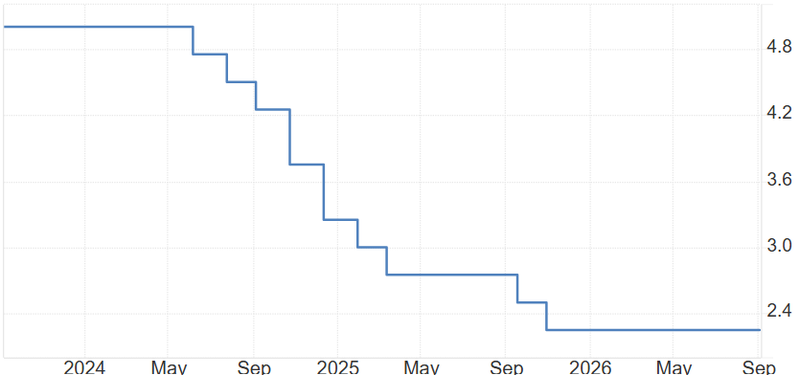
Source: Bank of Canada