Help
Help Gold outlook: can Core PCE and Fed expectations decide the next move?
Gold is facing a different kind of pressure. The Middle East conflict is still supporting demand for safe-haven assets, but higher Treasury yields and renewed expectations for Fed tightening are proving stronger in the short term. Gold has fallen toward the $4,180 area, while the U.S. 10-year yield has moved above 5%, leaving the metal caught between geopolitical demand and rising real yields.
Gold fell more than 2% as oil and Fed expectations pushed yields higher.
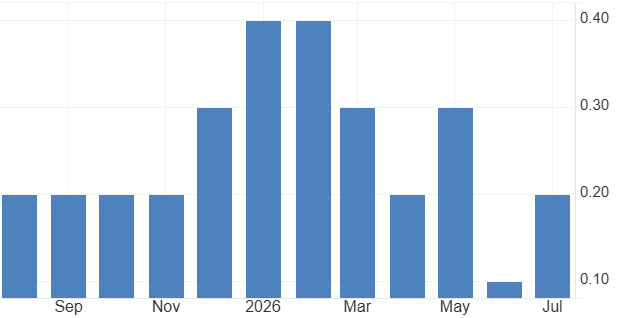
Core PCE is due September 30, with markets expecting a 0.3% monthly rise.
Trump rejected Iran's seven-day proposal to reopen the Strait of Hormuz, keeping the oil-inflation risk alive.
Gold's safe-haven bid is losing to the bond market
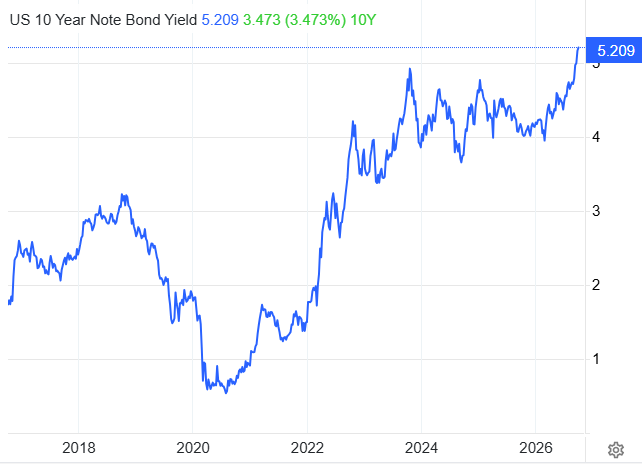
Gold normally benefits when geopolitical tensions rise. But the current shock is different because it is also pushing inflation expectations and Treasury yields higher. US 10-year yields recently moved above 5.2%, while the dollar has strengthened as traders price a higher path for interest rates.
That changes the opportunity cost of holding bullion
Gold pays no interest. A Treasury yielding around 5% becomes more attractive when markets expect rates to remain restrictive. This explains why gold can fall even while investors are worried about war.
The issue is not whether gold remains a hedge, it is whether the inflation shock becomes strong enough to keep real yields elevated for longer.
Source: Trading economics
The next test is Core PCE
The August Core PCE report is due September 30, with consensus around a 0.3% monthly increase. The previous reading showed core PCE inflation running at 3.3% year on year.
A result of 0.3% would not provide much evidence that underlying inflation is quickly returning to target.
A hotter reading would be more consequential
It would strengthen the case for the Fed to keep tightening after September's 25-basis-point hike and could push Treasury yields and the dollar higher again. Michael Barr has already said further policy adjustments are likely to be needed because inflation remains above 2% and is not returning to target quickly enough.
Source: U.S. Bureau of Economic Analysis
Oil is making the Fed's job harder
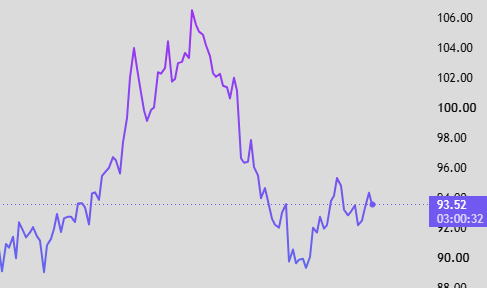
The energy market is becoming the second leg of the gold sell-off. Brent moved back above $105 a barrel on Monday after Trump rejected an Iranian proposal aimed at ending the conflict and reopening the Strait of Hormuz. WTI was around $93.
The significance goes beyond crude itself
Higher oil raises transportation, refining and manufacturing costs, increasing the risk that today's energy shock feeds into tomorrow's broader inflation data.
That is particularly uncomfortable for the Fed because economic growth remains solid. Barr described growth as strong and the labour market as solid, while saying inflation is still not clearly moving towards the 2% target. If oil remains elevated, policymakers have less room to dismiss the latest inflation pressure as temporary.
Source: Trading view
Iran has created a two-way risk for oil and gold
Tehran proposed reopening the Strait of Hormuz within seven days if Washington reduced military pressure and lifted its blockade. Trump rejected the proposal, although he has also said talks with Iran could continue.
The Wall Street Journal has separately reported that Trump told aides he expects renewed US strikes could follow the November midterm elections.
For markets, that creates two very different scenarios
Diplomatic progress could bring oil lower quickly as the geopolitical premium unwinds. A breakdown in negotiations could push crude higher and reinforce inflation expectations.
Gold therefore faces an unusual setup: geopolitical escalation can support safe-haven demand while simultaneously hurting the metal through higher yields.
What happens to gold from here?
The next move will depend on which force wins. A hotter Core PCE reading, continued oil strength and rising October hike expectations would favour higher Treasury yields and put further pressure on gold.
A softer inflation number could reverse some of that move, particularly if oil prices also retreat on renewed diplomacy. The bigger issue is whether the current sell-off is a technical correction inside a structural gold uptrend or the beginning of a deeper repricing of the metal's macro valuation.
For now, the bond market is winning that argument
Gold is showing that it can be a haven and still fall when the cost of holding safety becomes too high.
The key number this week is therefore not only $4,200 gold. It is 0.3% Core PCE. That is the figure that could tell markets whether the recent inflation shock is fading or giving the Fed another reason to keep rates higher for longer.