Help
Help 
Oil collapse and hawkish Fed bets crush gold as real yields surge
Markets are being hit by two powerful shocks at the same time: a sharp drop in oil prices as Strait of Hormuz tanker traffic normalizes faster than expected, and a hawkish repricing of the Federal Reserve after Kevin Warsh’s first FOMC meeting. Together, these forces are lifting real interest rates and putting heavy pressure on gold, silver and other precious metals.
Brent crude fell more than 5% to around $72 a barrel.
Brent was above $100 just over a month ago.
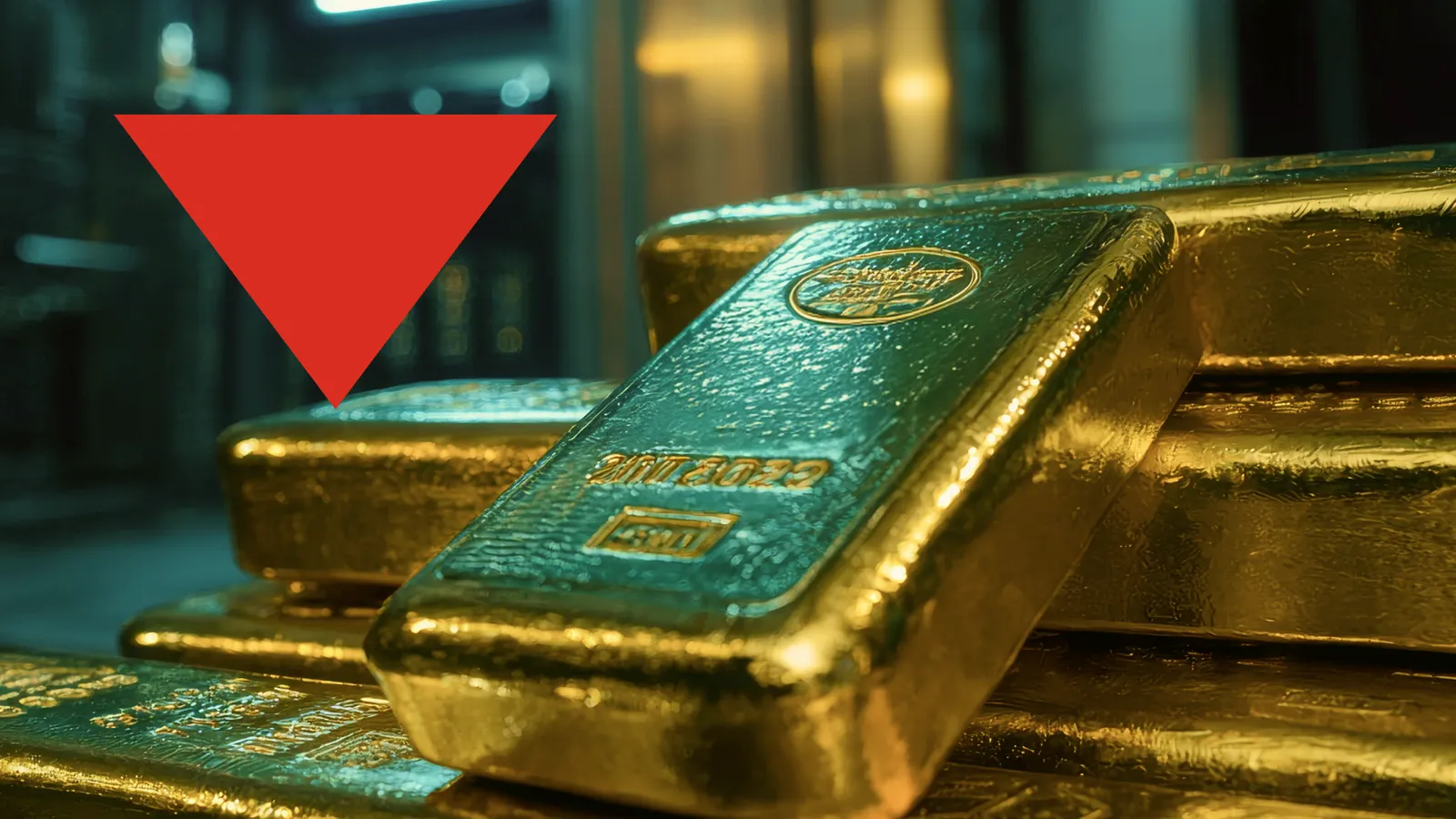
Gold dropped toward $4,000 per troy ounce.
Markets are pricing more Fed tightening even as oil prices fall.
Markets are moving on two shocks
Markets made unusually large moves as oil, precious metals and interest-rate expectations all shifted at the same time.
Front-month Brent crude dropped more than 5% to around $72 a barrel. That is a major reversal from just over a month ago, when Brent was trading above $100 as geopolitical risk around the Strait of Hormuz dominated oil markets.
At the same time, gold, silver and other precious metals were hit hard. Gold fell toward $4,000 per troy ounce, a level it first crossed last October when the “debasement trade” was gaining momentum.
The move is not only about oil. It reflects two forces working together: lower expected inflation from falling energy prices, and higher expected real rates after markets interpreted last week’s Federal Reserve meeting as a hawkish shift.
That combination is difficult for gold. Precious metals tend to benefit when investors fear inflation, currency debasement or fiscal stress. They struggle when inflation expectations fall and real yields rise.
Oil prices fall as Hormuz traffic normalizes
The first major shock is the rapid normalization of tanker traffic through the Strait of Hormuz.
The reopening has happened faster than markets expected. Oil prices are now almost back to where they were before the war began. Key dates explain the shift: February 27 marked the last day before the war, April 13 marked the start of the US blockade of Iran, and June 17 marked last week’s FOMC meeting.
During the height of the conflict, oil prices rose sharply because traders feared a major disruption to one of the world’s most important energy routes. Now that traffic is normalizing, the risk premium is being removed quickly.
This is a deflationary impulse. Lower oil prices reduce fuel costs, transportation costs and some input costs for businesses. If the move lasts, inflation over the coming months should be lower than markets feared when oil was above $100.
That should, in theory, reduce the need for additional monetary tightening.
Markets still price a more hawkish Fed
The second shock is more complicated.
Markets began pricing a more hawkish Fed when oil prices rose during the Hormuz disruption. That made sense at the time. Higher energy prices threatened to push inflation higher, and traders responded by pricing a greater chance of rate hikes.
The strange part is what happened afterward.
Over the past week, markets priced even more Fed tightening while oil prices were falling sharply. That suggests investors are no longer reacting only to energy inflation. They are also pricing a change in the Fed’s reaction function after Kevin Warsh’s first meeting as Fed chair.
In other words, the market seems to believe the Fed has become more willing to raise rates, even though one of the main inflation shocks is now fading.
That is the key tension in the current market move.
Real yields are rising fast
The result is a sharp rise in real interest rates.
Real yields are rising because markets are combining two ideas: lower inflation expectations and a more hawkish Fed path. The real two-year yield, measured through Treasury inflation-protected securities, has moved higher since last week’s FOMC meeting. At the same time, two-year breakeven inflation has fallen as oil prices declined.
This is an important mix.
When breakeven inflation falls, markets are saying expected inflation is lower. When real yields rise, markets are saying the return on inflation-adjusted safe assets is becoming more attractive. That makes non-yielding assets such as gold less compelling.
This explains why precious metals have sold off so sharply.
Gold gets hit as the debasement trade fades
Gold’s recent rally was driven partly by the debasement trade.
That trade is based on the idea that loose fiscal policy, rising public debt and the risk of debt monetization make hard assets more attractive than fiat money. Gold and silver benefit when investors fear that governments and central banks are weakening the value of currency over time.
But the current market setup is the opposite of that story.
Oil is falling. Inflation expectations are declining. Real yields are rising. The Fed is being priced as more hawkish. That makes cash and bonds look more attractive relative to gold.
This is why gold has fallen back toward $4,000 per troy ounce and why silver and other precious metals have also been under pressure.
The market may be overreading the Fed
There is a strong argument that markets are overpricing the hawkish message from last week’s FOMC meeting.
Kevin Warsh’s first appearance as Fed chair was always likely to sound firm on inflation. He needed to draw a clear line between the Federal Reserve and the White House, especially given political pressure for lower rates. Repeating the importance of price stability may have been more about establishing credibility than signaling an imminent rate-hike cycle.
The dot plot also deserves caution. Warsh did not contribute his own projection, and the hawkish dots may not be a clean signal of his preferred policy path.
That matters because market pricing now looks inconsistent. Oil prices are nearly back to prewar levels, yet markets are pricing a more hawkish Fed than before. If the energy shock is fading, it is not obvious why the Fed should need to tighten more aggressively.
The June CPI report becomes the next major test
The next key test is the June CPI report on July 14.
If falling oil prices feed into the inflation data, markets may need to rethink the idea that the Fed is preparing for more hikes. A softer CPI reading would support the view that the deflationary impulse from lower energy prices is real.
That could weaken the case for rate hikes and revive expectations that the Fed’s next move may eventually be a cut rather than another increase.
Until then, the “deflation trade” may remain in control. Markets are currently rewarding lower inflation exposure, higher real yields and reduced demand for gold as a hedge.
Debasement concerns have not disappeared
The recent move does not mean the debasement trade is dead.
The structural drivers behind it remain in place. Fiscal policy across much of the G10 is still under pressure from high debt, large deficits and rising interest costs. Those forces are not solved by a short-term drop in oil prices or a hawkish Fed press conference.
The current correction in gold and silver may therefore be a reset rather than the end of the broader theme.
If inflation data cools and markets stop pricing additional Fed hikes, real yields could stabilize or fall again. That would create room for gold and other precious metals to recover, especially if fiscal concerns return to the center of the market narrative.