Help
Help 
Oil outlook: Iran talks, US diesel shortages and Hormuz risks collide
The oil market is getting conflicting signals. Iran is opening the door to a deal before the U.S. midterms, while Washington is still trying to ease fuel costs without creating a new supply problem. At the same time, U.S. crude inventories are rising even as diesel stocks remain tight. For oil, the next move will depend on whether diplomacy can restore barrels faster than the supply disruptions are taking them away.
Iran says it wants a deal with the U.S. before the November midterms.
U.S. and Iranian negotiators are discussing a phased path that could reopen the Strait of Hormuz.
U.S. commercial crude inventories rose 2.97 million barrels last week.
Washington is asking refiners to voluntarily reduce diesel exports as domestic prices remain elevated.
Iran wants a deal before the midterms
Iranian President Masoud Pezeshkian said Tehran wants to revive the earlier ceasefire understanding before the November midterm elections and that Iran does not want the conflict to continue into the election period.
That message comes as U.S. and Iranian negotiators explore a phased agreement. Reuters reports that one proposal would have Iran reopen the Strait of Hormuz while Washington lifts its economic blockade of Iranian ports, potentially alongside further measures on frozen Iranian assets. Neither side wants to give up its main leverage first, which is why the talks remain difficult.
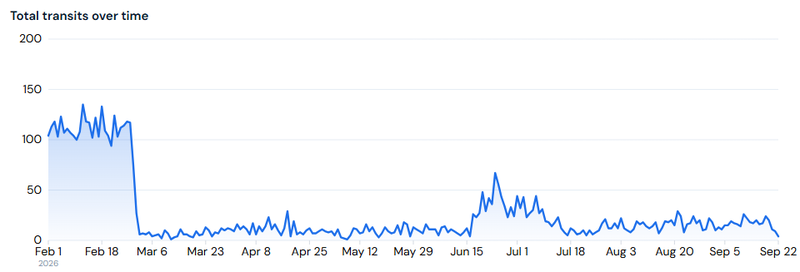
For oil, Hormuz is the part that matters
A reopening would improve the flow of crude and refined products and remove part of the risk premium that has been built into prices. But the market has already seen diplomatic optimism fade before. Until shipping returns to normal, traders have little reason to remove all the premium.
Source: Lloyd list
The U.S. inventory build tells only half the story
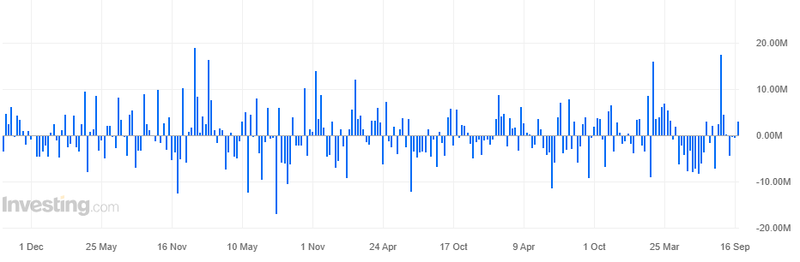
The latest EIA report showed commercial crude stocks rising 2.969 million barrels to about 426.4 million, versus expectations for a small draw. Stocks at Cushing increased another 2.27 million barrels.
That should normally weigh on WTI
But gasoline inventories fell by around 1.69 million barrels, while distillate stocks declined by roughly 430,000 barrels. Distillates remain about 12% below the five-year seasonal average, according to the latest data.
So, the U.S. has more crude in storage, but refined products remain tight
That difference is becoming increasingly important because the bottleneck is no longer simply how much crude exists. It is how much usable fuel refiners can produce and where those barrels can be delivered.
Source: Investing.com
Washington is now trying to manage the diesel shortage
The administration has asked major U.S. refiners to consider voluntarily reducing diesel exports rather than imposing an outright ban. Energy Secretary Chris Wright has contacted refinery executives as Washington is looking for a way to increase domestic diesel availability.
The problem is that the U.S. refining system does not have unlimited flexibility
Refiners on the Gulf Coast often export diesel because regional production exceeds local demand. Cutting those exports could increase domestic supply initially, but industry groups warn that refiners could respond by reducing crude runs, which would also reduce gasoline and jet-fuel production.
The American Petroleum Institute and more than 30 business and energy groups have opposed export restrictions. That makes the policy response complicated. A measure intended to lower diesel prices could simply move the shortage into another part of the fuel market.
Saudi Arabia has regained part of its export capacity
There is some relief on the crude side. Saudi Arabia has restarted its East-West pipeline after the recent attack on three pumping stations. The pipeline normally moves around 4 million barrels a day toward Yanbu, allowing Saudi crude to reach the Red Sea without passing through Hormuz. The system has restarted at reduced rates, while repairs continue.
Saudi Arabia has also redirected more crude through Gulf terminals, flows through Hormuz averaging around 2.9 million barrels a day in September, up sharply from August.
That helps keep barrels moving, but at a higher cost. Ship-to-ship transfers around Oman have expanded, with freight rates for very large crude carriers rising above $30 a barrel in some cases.
The market now has two very different oil signals
One comes from inventories. The other comes from the Middle East. If the U.S.-Iran discussions lead to a workable agreement and Hormuz traffic normalizes, the geopolitical premium in crude could fall quickly. More Saudi exports and calmer shipping routes would add to that pressure.
But if negotiations stall, the inventory building may provide only limited relief. Hormuz remains the key channel for a large share of global oil flows, while diesel markets are already dealing with shortages linked to disruptions in the Middle East and Russia.
That leaves traders watching the same three numbers: crude inventories, refined-product stocks and barrels moving through Hormuz.
The crude building says supply is available, the diesel draw says the refining market is still tight. And the diplomatic talks will determine whether the missing Middle Eastern supply starts coming back.