Help
Help 
Oil prices surge nearly 26% as Hormuz disruption threatens global supply
Oil prices have surged nearly 26% as the disruption around the Strait of Hormuz continues to restrict global energy flows. Oman has opened a temporary southern maritime corridor along its coastline to help evacuate stranded commercial vessels and restore some shipping activity, but the limited route has failed to replace the capacity normally provided by the strategic waterway.
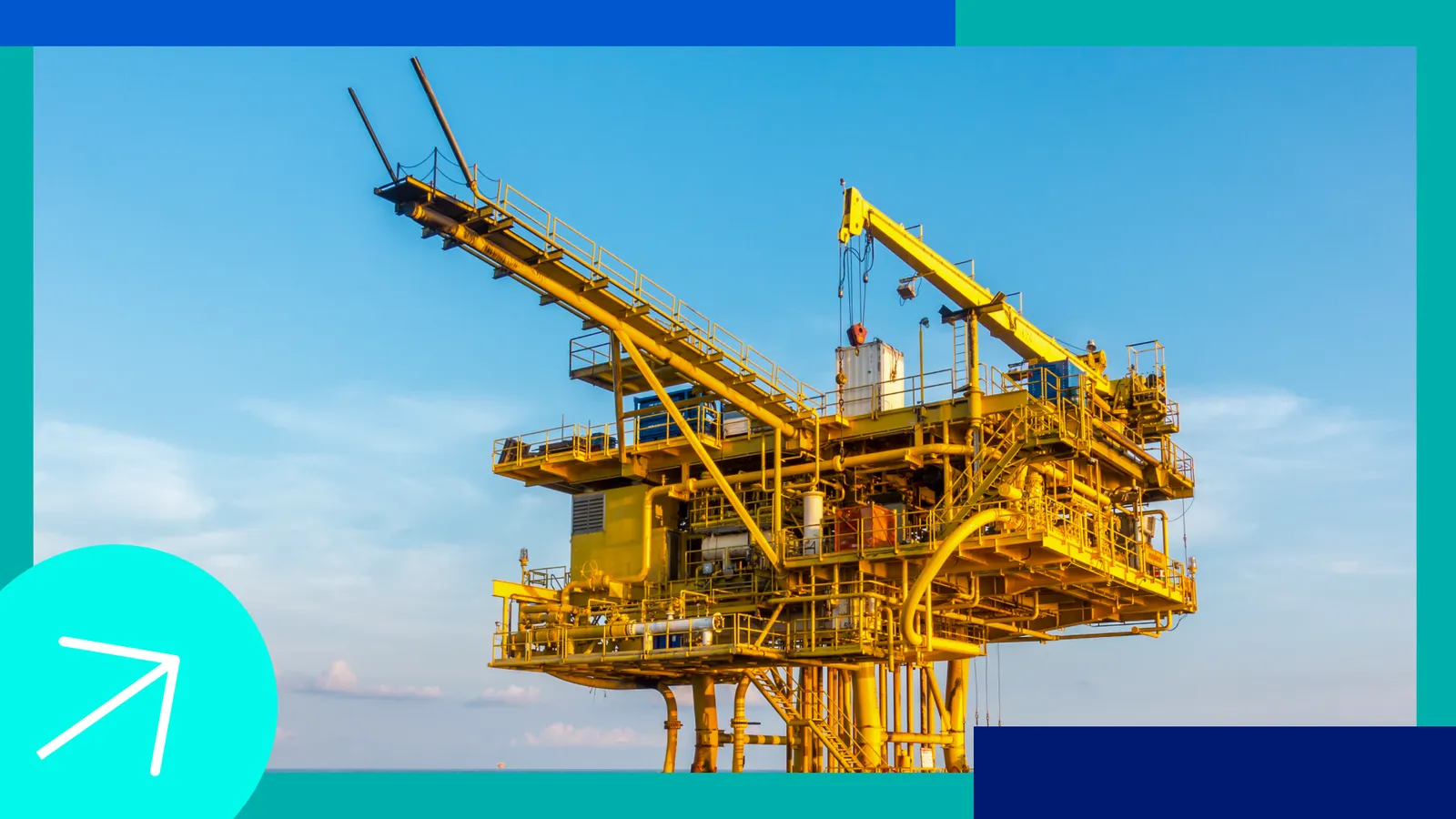
Oman’s decision to open a temporary maritime corridor has reduced some immediate pressure on stranded vessels
Traders are pricing not only the possibility of lost supply but also the broader cost of keeping global energy flows moving.
The 26% surge in oil prices highlights how sensitive global energy markets remain to events around Hormuz.
Hormuz disruption keeps oil markets under pressure
Oil markets are once again focused on the risk of a longer disruption around the Strait of Hormuz.
The waterway normally carries around 20 million barrels of oil per day, making it one of the most critical routes for global energy supplies. Any major slowdown in traffic quickly raises concerns about whether producers can maintain exports without putting additional pressure on already limited inventories.
What makes the latest disruption more important is the timing. Shipping activity started to recover after the peace agreement, with transit volumes through Hormuz climbing to their highest level since March 2026. Flows reached around 2.3 million barrels per day as traders began to assume that conditions were moving back toward normal.
That recovery did not last
After fighting resumed, transit activity fell sharply to around 170,000 barrels per day, highlighting how quickly energy flows can be disrupted when security risks return. The market is now reassessing whether the earlier recovery was premature.
Oman’s temporary maritime corridor has helped provide some relief for vessels looking for alternative routes, but it does not solve the bigger issue. The corridor may reduce pressure at the margin, but it cannot replace the scale of traffic normally moving through Hormuz.
For oil markets, the concern is not only about a full shutdown. Even a partial disruption, longer shipping times, higher insurance costs, or continued uncertainty around the route can be enough to keep a risk premium embedded in prices.
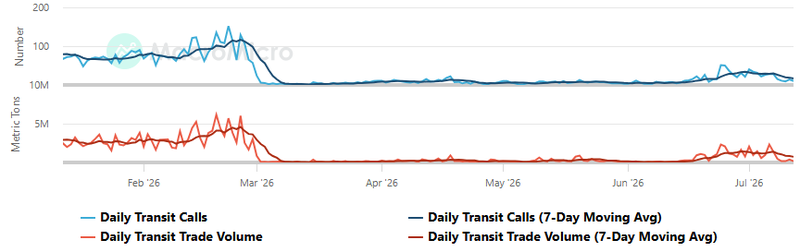
Source: MacroMicro
Temporary corridors cannot replace normal Hormuz traffic
The main challenge for oil markets is not only whether ships can move, but how much cargo can actually pass through.
The temporary corridor along Oman’s coastline has created another route for commercial vessels, but its capacity remains limited compared with normal Hormuz traffic. Tankers carrying crude and energy products require more space, longer preparation times and stricter navigation conditions.
Shipping companies are now dealing with higher uncertainty. Some vessels are waiting for clearer conditions, while others are accepting longer routes or higher insurance costs to continue operating.
Those additional expenses are already affecting the energy supply chain. Higher freight rates and insurance premiums increase the cost of moving crude before it reaches refineries and consumers.
Inflation risks return as energy costs rise
The oil rally has reopened with concerns that inflation could prove harder to contain.
Energy prices have a direct impact on consumers through gasoline and heating costs, but the bigger impact comes from transportation and production expenses. When oil prices rise sharply, companies often face higher costs that can eventually feed into prices across the economy.
That creates a new challenge for central banks
After months of focusing on slowing inflation and preparing for easier monetary policy, policymakers now face the possibility that another energy shock could delay rate cuts.
The risk is particularly important because many economies are already dealing with higher import costs and weaker consumer confidence. A prolonged increase in energy prices could slow the progress made on inflation during recent months.
Markets watch supply recovery and geopolitical risks
The next major question for oil markets is whether shipping conditions improve quickly or whether the disruption becomes prolonged.
If traffic through Hormuz gradually returns to normal, some of the recent risk premium could unwind as traders reassess the probability of a sustained supply shortage.
However, continued restrictions, further military escalation or additional pressure on regional shipping could push prices higher.
The current rally shows that markets are not only reacting to actual supply losses but also preparing for the possibility of a deeper disruption.
The 26% surge in oil prices highlights how sensitive global energy markets remain to events around Hormuz. Oman’s temporary corridor provides some relief, but it does not remove the underlying risk. Until shipping volumes recover, markets are likely to remain focused on supply disruptions, inflation pressures and the possibility of further geopolitical escalation.