Help
Help 
Market Insights
In-depth insights on market events and major trades
Bank of England pauses, but the inflation fight is not over
The Bank of England kept Bank Rate at 3.75%, but Thursday's decision was far from a routine hold. Three MPC members wanted a 25-basis-point increase to 4%, while the Bank warned that inflation could move above 4% early next year if the Middle East conflict keeps energy prices high. At the same time, it changed the way it will unwind its gilt holdings, easing the pressure on the long end of the UK bond market.

Markets can live with a hawkish Fed, but uncertainty remains the bigger risk
The Fed’s hawkish message removed one major source of uncertainty, but high oil prices, 5% Treasury yields and questions around AI spending are preventing investors from fully embracing risk.

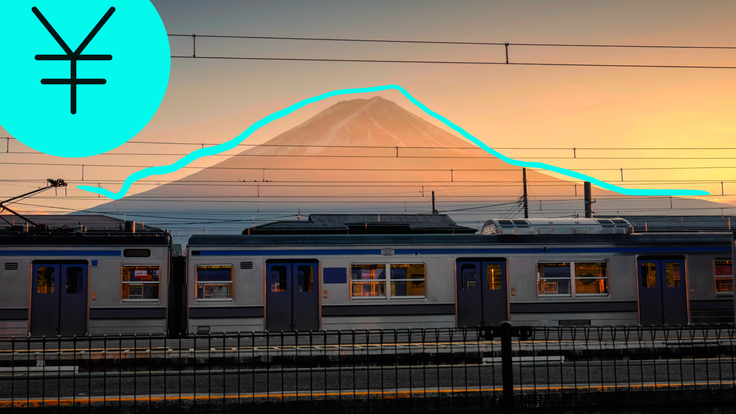
BOJ raises rates to 31-year high as weak yen keeps inflation risks alive
The Bank of Japan lifted rates to 1.25%, accelerating its normalization cycle even as inflation remains below 2% and the yen continues to trade near historically weak levels.
Fed hikes rates for first time since 2023 as Warsh keeps another move on the table
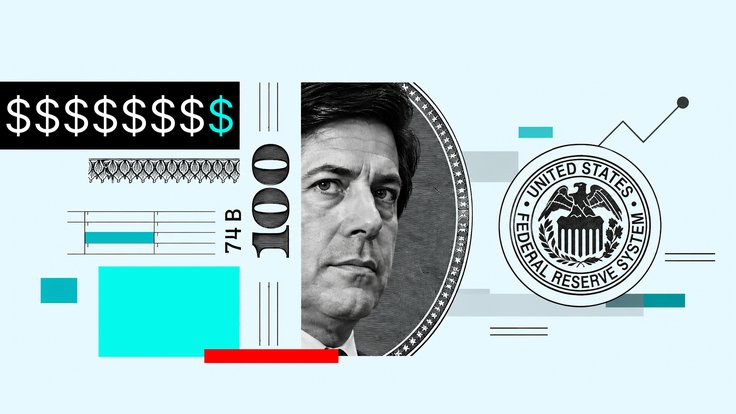
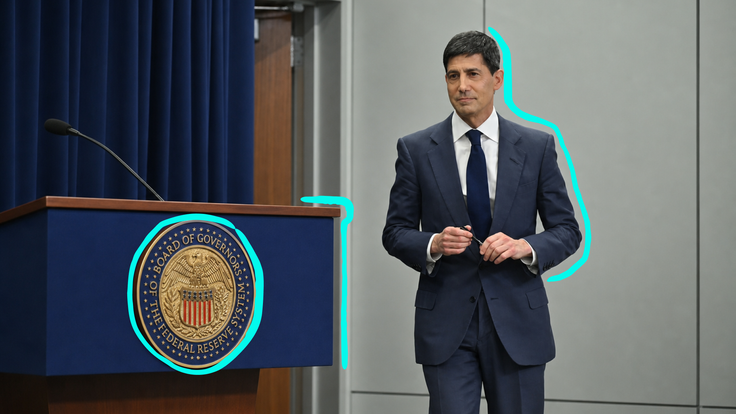
The Fed delivered its first rate hike in three years and left another increase on the table as Kevin Warsh made clear that persistent inflation remains the central bank’s priority.
Fed meeting today: what comes after the expected rate increase
The 10-year Treasury yield climbed above 5%, reaching its highest level since 2023, as oil prices surged, inflation remained elevated and investors increasingly priced another rate increase. Markets are now assigning roughly a 92–94% probability to a 25-basis-point hike today at the Federal Open Market Committee meeting.

Why Japan 30-year bond yield matters more than the BoJ rate hike
Takaichi’s administration is pursuing an unusually ambitious investment strategy, with a long-term 370 trillion Yien roadmap covering 17 strategic industries, including AI and semiconductors. The government sees investment-led growth to raise productivity and strengthen Japan’s industrial base.

Fed rate hike test puts Kevin Warsh’s credibility in focus
The Fed heads into its September meeting with inflation still at 3.4% and markets heavily pricing a rate hike, turning the decision into an early credibility test for Kevin Warsh.
US Treasury yields near 5%: why bond market is ignoring buybacks
Treasury repurchased $5.2 billion securities in its latest operation, below the $6 billion maximum and only about half of the roughly $10.5 billion offered. Instead of calming the market, Treasury yields continued to rise, with the 10-year yield moving close to 5% and the 30-year yield reaching its highest level in years.

August CPI could decide whether the Fed hikes in September
Friday’s CPI report may be the final piece of data separating a September Fed hold from another rate hike.
Trump’s $5,000 dividend plan faces a $1 trillion fiscal reality
Donald Trump’s proposed $5,000 payment to U.S. adults has grabbed attention, but its fiscal cost and legislative hurdles make implementation far from certain.