
 Help
Help 
Market Insights
In-depth insights on market events and major trades
SpaceX’s next frontier is not Mars. It is AI compute
SpaceX’s latest deal with Alphabet shows why investors are no longer looking at the company as a rocket business alone. The old story was about cheaper launches and Starlink growth. The new story is bigger: SpaceX wants to become infrastructure for rockets, internet and artificial intelligence at the same time.

ECB rate hike risks reviving the 2011 policy mistake as inflation shock tests Europe
The European Central Bank is preparing for one of its most difficult policy decisions in years. Inflation is rising again, energy prices are feeding price pressures, and officials want to defend their credibility. But with eurozone growth weakening, a premature rate hike could leave the ECB exposed to the same criticism it faced in 2011: tightening into a fragile economy just before conditions deteriorate.

Fed rate-hike returns as Logan questions whether policy is tight enough
The Federal Reserve debate is starting to shift again. For months, markets were mainly focused on when the next rate cut might arrive. Now, Dallas Fed President Lorie Logan is warning that the current policy rate may not be doing enough to restrain inflation

BoE faces a harder June decision as inflation risks return
The Bank of England is moving into its June 18 meeting with a much less comfortable inflation story than it had hoped for. UK inflation eased to 2.8% in April, but the relief is not clear.

BOJ faces a harder choice as JGB yields test Japan’s policy limits
The Bank of Japan is being pulled in two directions at once. Inflation pressure is still strong enough to keep markets pricing another rate hike, but the bond market is already under heavy strain.

Central banks and ETF inflows keep gold supported as inflation risks return
Gold is still being supported by one of the strongest structural stories in global markets: official demand, investor inflows, and renewed concern that inflation may not fade as smoothly as central banks had hoped.

Oil market relief still depends on the deal markets can trust
Oil markets are being pulled in two directions at once. On one side, the International Energy Agency is warning that the market could move into a critical red zone by July as stockpiles fall and summer demand rises.

Kevin Warsh takes over the Fed as Trump pushes for lower rates
Kevin Warsh is set to take charge of the Federal Reserve at one of the most politically sensitive moments for US monetary policy in years. President Donald Trump will swear him in at the White House on Friday, putting a long-time Fed critic and former central bank governor at the center of a difficult policy fight: whether to lower interest rates as the White House wants, or keep policy tight as inflation pressure remains above target.
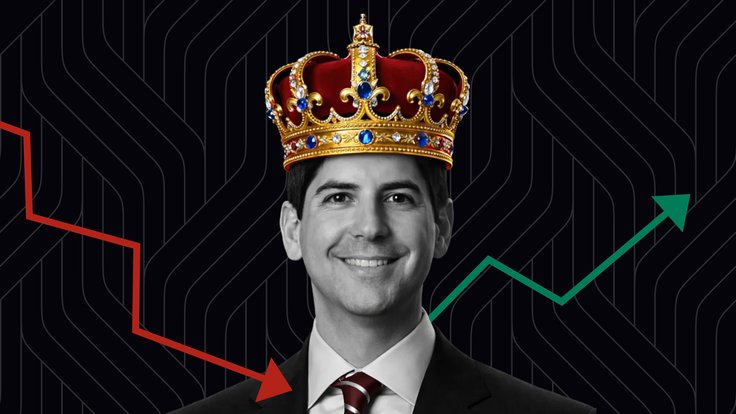
ECB caught between inflation credibility and weak growth
The euro area is moving back into the kind of policy problem central banks really do not like. Inflation is rising again, not because demand is booming, but because energy prices and geopolitical risk are pushing costs higher. At the same time, growth is already losing momentum.

Iran talks leave markets stuck between diplomacy and war risk
Markets are no longer trading the Iran story as a simple geopolitical shock. They are now trying to price two paths at once: a negotiated deal that lowers energy risk, or a renewed military campaign that keeps inflation pressure alive and pushes long-dated bond yields even higher.
