
 Help
Help Daily discussion thread for September 8, 2026
Japan is spending heavily to defend the yen, oil has rebuilt its geopolitical premium, and gold has fallen as traders become more confident the Federal Reserve is not finished with inflation. On the surface, those stories look unrelated. Underneath, they all come back to one question: how much tighter do financial conditions become before central banks start worrying more about growth than prices?

Japan's foreign-exchange reserves fell by a record $79.6 billion in August.
Crude climbed above $92, reaching its highest level in three months.
Gold has slipped toward $4,400, but the decline says more about interest-rate expectations than weakening demand for safe assets.
Currencies are responding to policy. Commodities are responding to supply risk. Precious metals are responding to interest rates.
Tokyo is buying credibility as much as a stronger yen
The yen has climbed to its strongest level since February, but the bigger story is how much it cost to get there. Japan's foreign-exchange reserves fell by a record $79.6 billion in August after Tokyo deployed nearly $99 billion in coordinated intervention with the United States to slow the currency's decline.
The intervention bought more than a stronger currency
It bought credibility. For years, traders treated every rebound in the yen as another opportunity to rebuild carry trades. That calculation is changing. The market is now dealing with the prospect of another Bank of Japan rate hike, higher domestic bond yields and authorities willing to step into the market if volatility accelerates.
Those forces reinforce each other
A stronger yen no longer depends entirely on intervention if higher Japanese yields continue pulling capital back home. That is why currency traders are watching Tokyo almost as closely as Washington.
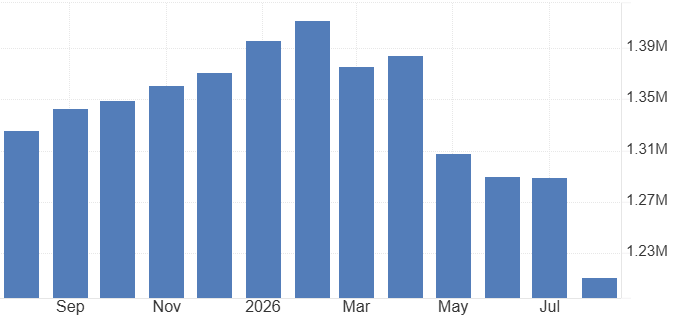
Source: Ministry of Finance, Japan
Oil is trading on control, not just disruption
Crude has climbed above $92, reaching its highest level in three months, but the latest rally is being driven by something more durable than a single military headline.
Iran's negotiations with Oman over shipping management in the Strait of Hormuz have shifted attention from whether oil flows stop completely to who controls the conditions under which they move. At the same time, U.S. strikes on Iranian tankers have kept the risk premium alive even as vessels continue crossing the waterway.
That distinction matters
Markets are no longer pricing an immediate supply collapse. They are pricing a longer period of uncertainty where freight costs, insurance premiums and shipping delays remain elevated even if exports continue.
The physical market already reflects that change
Middle East exports have slowed, alternative routes are absorbing more traffic and commodity funds are rebuilding bullish positions as inventories tighten.
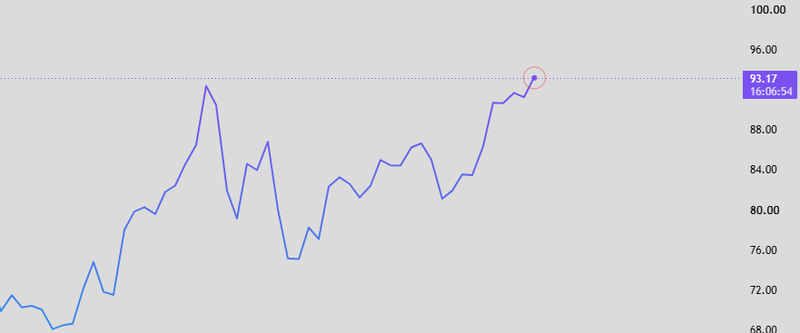
Source: Trading view
Gold has become the market's inflation referendum
Gold has slipped toward $4,400, but the decline says more about interest-rate expectations than weakening demand for safe assets.
The turning point came after August payrolls surprised to the upside
A stronger labour market made it easier for traders to price roughly a 60% probability of another Fed rate hike, pushing Treasury yields higher and increasing the opportunity cost of holding gold. The next move now depends less on geopolitics than on inflation data. Producer prices arrive first. Consumer prices follow.
If those reports confirm that higher oil prices are feeding into broader inflation, the Fed's hawkish stance becomes easier to defend. If inflation begins cooling despite the energy shock, the pressure on yields could ease.
The bond market is deciding all three trades
The common thread is no longer the dollar alone. It is the bond market. Japan is trying to stabilize the yen without destabilizing U.S. Treasuries. Oil is keeping inflation expectations elevated through higher energy costs. Gold is reacting to yields more than headlines.
That leaves markets entering the week with a clearer hierarchy than they had a few days ago. Currencies are responding to policy. Commodities are responding to supply risk. Precious metals are responding to interest rates. The next inflation data will determine which story carries the most weight.
