
 Help
Help 
Gold slips as Middle East risk shifts back
Gold moved lower after Iran-backed Hezbollah rejected a US-mediated proposal, a reminder that the metal is not reacting to geopolitics in a simple way anymore.

Hezbollah’s rejection of the US-mediated proposal.
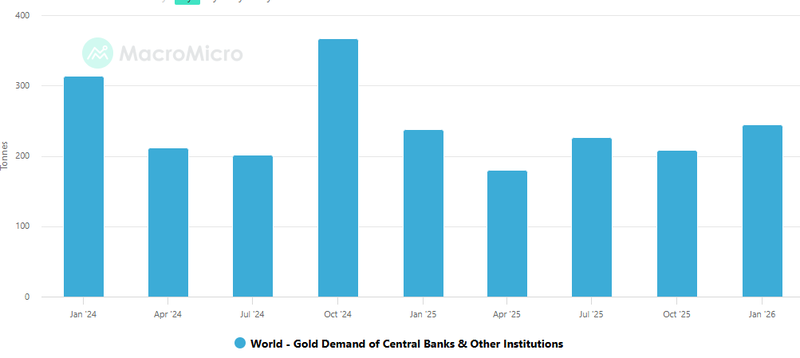
Central banks bought around 244 tonnes of gold in the first quarter of 2026.
If gold continues to hold above 4,435, buyers may attempt to break 4,515.
The geopolitical story is no longer one-way bullish
Market is now treating the Middle East conflict less as a classic safe-haven event and more as an inflation shock.
That matters because higher oil prices can make central banks more cautious. If energy costs rise again and stay elevated, inflation becomes harder to control. For gold, that creates a mixed setup. The metal benefits from fear, but it struggles when investors believe interest rates may stay higher for longer.
Hezbollah’s rejection keeps uncertainty alive
Hezbollah’s rejection of the US-mediated proposal has made it harder for traders to price a clean diplomatic path. The market had briefly reacted to hopes that a ceasefire could reduce pressure on energy markets and lower the risk of a wider regional conflict. But the rejection has brought back the uncomfortable possibility that tensions could drag on. This does not mean gold has lost its safe-haven role. It means the market is being forced to balance two different reactions. One is the instinct to buy protection. The other is the concern that higher energy prices could keep monetary policy tighter.
Central banks are still building the floor
The short-term price action looks weaker, but the deeper demand story has not changed. Central banks bought around 244 tonnes of gold in the first quarter of 2026, a 3% increase from a year earlier. That is a strong number, especially after years of heavy official-sector buying.
This is important because central banks are not trading in gold the way short-term investors do. They are buying for reserve diversification, currency protection and geopolitical insurance. Their demand is slower, but it is also more strategic. That gives gold a support base that does not disappear just because prices are correct for a few sessions.
Source: World Gold Council
Technical outlook
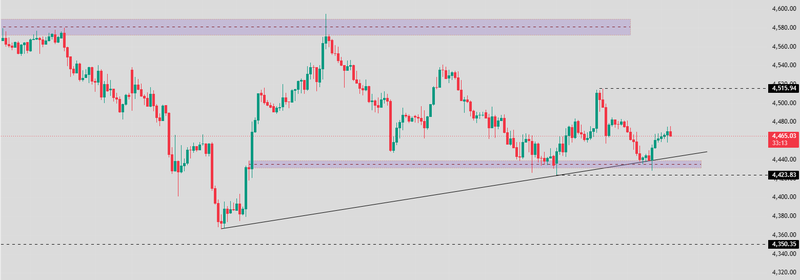
Gold is trading around 4,465, and for now it is still holding above the rising trendline that has supported the move from the 4,370 low. The market is not showing strong upside momentum yet, but it also has not broken down. It looks more like gold is taking time to digest the previous move while buyers decide whether they have enough strength to push it higher again.
The important area now is 4,435–4,445. This zone has been defended more than once, and that makes it the key support for the short-term structure. As long as gold holds above it, buyers still have a chance to regain control and attempt another move higher.
If this area breaks, the picture becomes weaker. The first level to watch after that would be 4,423, and below it, the market could start moving toward 4,350. That would suggest the current consolidation is becoming deeper, rather than preparing for another upside attempt.
On the upside, gold first needs to get through 4,515. This level has been blocking the market recently, so a clean break above it would be the first sign that buyers are returning with more conviction. If that happens, attention would quickly move toward 4,570–4,590, which remains the main resistance zone on the chart.
Scenario ahead
If gold continues to hold above 4,435–4,445, the market can still be seen as stable. Buyers may then try to push price back toward 4,515, and a break above that level would bring the 4,570–4,590 zone back into focus.
But if gold loses 4,435, the tone will change. That would show that buyers are no longer defending the trendline with the same strength, and a deeper pullback toward 4,423 or even 4,350 would become more likely.
Source: Trading view


