Help
How to start trading silver online
You can trade silver online through instruments such as CFDs and futures without owning the physical metal. Getting started involves choosing the right instrument and trading platform, following silver price movements and understanding the risks before placing your first trade.

Silver can be traded online through instruments such as spot-based products, CFDs and futures, while ETFs and mining shares provide different forms of silver-related exposure.
Silver prices are influenced by industrial demand and mining supply as well as factors such as the US dollar, interest rates, investment demand and broader market conditions.
The instrument you choose can affect ownership, leverage, short-selling availability, trading costs and whether the position has an expiry date.
Before placing a silver trade, define your entry and exit criteria, the amount you are prepared to risk and your position size.
Leverage can increase your market exposure relative to the margin required, but it also magnifies both potential gains and losses.
What is silver trading and how does it work?
Silver trading involves taking a position based on how you expect silver prices to move. As with other financial markets, the way you gain exposure and manage a position depends on the instrument you choose. Options include derivatives such as CFDs and futures, as well as ETFs and mining shares, which provide other forms of exposure to silver and the wider silver market.
For example, a CFD allows you to trade silver price movements without owning the physical metal and may allow both long and short positions. Futures are contracts to buy or sell at an agreed price on a future date, while ETFs and mining shares are securities whose structure and price behaviour can differ from the underlying silver market.
These differences matter because the instrument can affect how the position is priced and traded, whether leverage is available, the costs involved and the financial risks you need to manage.
Silver trading vs. silver investing
Silver trading generally focuses on taking positions on price movements, often over shorter time horizons, while silver investing typically involves holding physical silver or silver-related assets with a longer-term objective. However, it’s not just about how long you hold a position. ETFs and mining shares, for example, can be traded actively or held as longer-term investments.
Investing in physical silver bullion involves buying silver bars and coins, with additional costs such as dealer premiums, storage and insurance. Leveraged products, on the other hand, carry different risks because gains and losses are calculated on the full value of the position, not just the margin required to open it.
Whether silver is a suitable investment depends on factors such as an investor's objectives, risk tolerance and the form of silver exposure being considered.
What are the different ways to trade silver online?
Silver can be traded online through instruments such as spot-based products, CFDs, futures and options, while ETFs and mining shares provide other forms of exposure to silver and the wider silver market. Each instrument works differently, so your choice affects what you own, whether you can use leverage or sell short, the costs involved and whether your position has an expiry date.
Spot silver and silver CFDs
The spot price of silver reflects its current market price for transactions settled on a spot basis, rather than a price agreed for a future date. Online trading products can provide exposure to movements in the spot price without requiring you to buy, store or take physical delivery of silver.
A silver CFD (contract for difference) is a derivative that allows you to take a position on changes in silver prices without owning the underlying metal. CFDs can be used to take a long position if you expect the price to rise or a short position if you expect it to fall.
CFDs are also leveraged products, meaning you only need to deposit a portion of the position’s total value as margin to open a trade. However, gains and losses are calculated on the full value of the position, so leverage can increase both potential gains and losses.
Silver futures and options
Silver futures are contracts to buy or sell a specified amount of silver at an agreed price on a future date. Futures have expiry dates and standardised contract terms. Depending on the contract and trading arrangement, a position may be closed before expiry or held through to the applicable settlement process. Traders who want to maintain exposure beyond an expiry may instead need to move to a later-dated contract.
Silver options give the holder the right, but not the obligation, to buy or sell according to specified contract terms. A call option provides the right to buy, while a put option provides the right to sell. Futures and options therefore have different mechanics from spot-based products, and factors such as contract size, expiry and settlement need to be understood before trading them.
Silver ETFs and mining shares
Silver ETFs can provide exposure to silver in different ways. Some seek to track the price of silver and may be backed by physical bullion, while other silver-related ETFs invest in mining companies or other businesses connected to the market. That’s why it is important to understand what an ETF actually holds or tracks.
Shares in silver mining companies provide indirect exposure rather than tracking the silver price itself. Although changes in silver prices can affect a mining company's revenue and outlook, its share price can also be influenced by factors such as production levels, operating costs, financial results, management decisions and exposure to other metals.
These differences mean that two instruments linked to silver can behave differently and require different approaches to trading and risk management. Make sure you understand the instrument you are trading and the risks involved before opening a position.
What moves the price of silver?
Silver prices are driven by supply and demand, with industrial activity, mining supply, the US dollar, interest rates and investment demand among the key influences. Because silver has both industrial uses and a role as a precious metal, its price can respond to developments in manufacturing and technology as well as broader economic and financial-market conditions.
- Industrial demand: Silver is used across industries including electronics, energy, automotive and healthcare. Changes in industrial activity and the use of silver in these applications can therefore affect demand for the metal and, in turn, its price.
- Silver supply and mining: Changes in mine production and the availability of recycled silver can affect supply. Silver is also produced as a by-product of mining other metals, so its supply can be influenced by activity in other mining markets.
- The US dollar: Silver is commonly priced in US dollars, so changes in the currency can influence demand and pricing. A stronger US dollar can make dollar-denominated silver relatively more expensive for buyers using other currencies, while a weaker dollar can have the opposite effect. However, this relationship is not fixed, and other market factors can outweigh currency movements.
- Interest rates and monetary conditions: Changes in interest rates and expectations for monetary policy can influence demand for precious metals such as silver, partly because silver does not generate interest or income. The relationship is not fixed, however, and can vary depending on factors including inflation expectations, the US dollar and wider market conditions.
- Investment demand and market uncertainty: Investment demand for silver can change in response to factors such as inflation expectations, economic or geopolitical uncertainty and broader market sentiment. Silver is sometimes viewed as a store of value or safe-haven asset, but its price does not necessarily rise during periods of inflation or uncertainty.
Silver and gold can therefore respond to some of the same macroeconomic factors, but their prices do not always move together. The gold-to-silver ratio offers one way to compare their relative prices. Silver's industrial uses mean changes in economic activity and industrial demand can affect its price differently from gold.
How to trade silver online: 7 steps
To trade silver online, choose a suitable instrument and broker, open a trading account, analyse the market and plan your trade before placing an order.
1.Choose how you want to trade silver
Decide which type of silver exposure suits your trading approach and is available through your broker. Consider how the instrument works, the trading costs, including any applicable financing charges, whether you can use leverage or sell short, and whether the position has an expiry date.
2.Choose a broker and silver trading platform
Choose a broker that offers the silver instrument you want to trade and check whether it is appropriately regulated for the services it provides in your jurisdiction. Compare factors such as trading costs, execution arrangements, available order types and platform functionality.
Your chosen trading platform should allow you to view silver prices, place and manage orders and monitor open positions.
3.Open and fund your trading account
Opening a live trading account typically involves providing personal information and completing the broker's required identity and verification checks. Once the account is approved, you can fund it using one of the available payment methods.
Account requirements, funding options and minimum amounts vary between brokers and jurisdictions. The amount deposited into an account should also be considered separately from the amount you are prepared to risk on an individual trade.
If a demo account is available, you can use it to get familiar with the platform and practise placing and managing silver trades without risking real money. However, demo trading does not fully reflect live market conditions or what it’s like to trade with real money.
4.Analyse the silver market and identify a setup
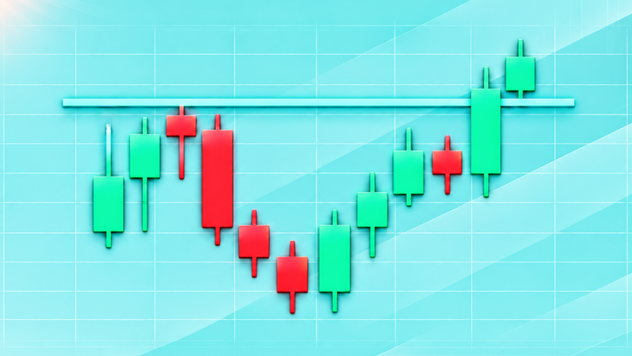
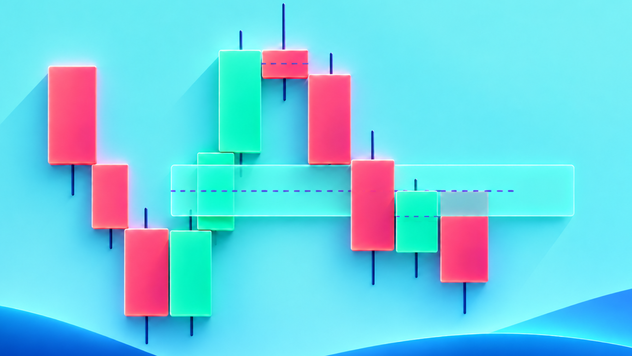
Analyse the market before opening a position and identify the conditions that would justify a trade according to your strategy. Fundamental analysis may consider economic and market factors affecting silver, while technical analysis can examine price trends, support and resistance levels, chart patterns and indicators.
Traders may use either approach or combine elements of both. The purpose is to establish a defined trade setup rather than enter a position based only on an expectation that silver will rise or fall.
5.Decide whether to go long or short
Decide which direction reflects your market view and trade setup. A long position is intended to benefit if the relevant silver price rises, while a short position is intended to benefit if it falls.
The ability to take a short position and the way it works depend on the instrument being traded. Either direction can result in a loss if the market moves against the position.
6.Plan your entry, exit, risk and position size
Before placing the trade, define your entry conditions, the level at which the original setup would be invalidated and the conditions for closing the position. Then decide how much you are prepared to risk on the trade.
Position size should be determined in relation to that amount and the distance between the planned entry and stop-loss level, while accounting for the specifications of the instrument being traded. Where leverage is used, gains and losses are based on the full market exposure rather than only the margin required to open the position.
7.Place, monitor and close the trade
Once the trade is planned, place the appropriate order and confirm details such as direction and position size before submitting it. After the position is open, monitor it according to the entry, exit and risk rules established beforehand rather than reacting only to short-term price movements.
Close the position when your predefined exit conditions are met or when your trading plan otherwise requires it. Afterwards, record the outcome and review whether you followed your planned process rather than assessing the trade only by whether it made a profit or loss.
What does a silver trade look like in practice?
A hypothetical silver trade can show how market analysis, risk planning and position sizing come together before an order is placed. The example below is illustrative only; the figures and trading decisions are not recommended settings.
Suppose silver is trading at $30.00 per ounce and a trader identifies a potential long setup. The trade might be planned as follows:
- Identify the setup: The trader's analysis suggests a potential upward price move, and the conditions defined by their trading strategy are met.
- Define the entry: The planned entry price is $30.00 per ounce.
- Set the stop-loss: The trader determines that the original setup would be invalidated if the price falls to $29.50 and therefore plans a stop-loss $0.50 below the entry.
- Define the amount at risk: The trader decides that the maximum amount they are prepared to risk on the trade is $100.
- Calculate the position size: With $0.50 at risk per ounce and a maximum planned trade risk of $100, the simplified calculation gives an illustrative position size of 200 ounces ($100 ÷ $0.50). Actual position sizing also needs to account for the specifications of the instrument being traded, as well as relevant trading costs and execution considerations.
- Place and manage the trade: If the entry conditions are met, the trader opens the long position and manages it according to the predefined entry, exit and risk rules rather than changing the plan solely in response to short-term price movements.
- Close and review the trade: The trader closes the position when a predefined exit condition is met, then records the outcome and reviews whether the setup, risk rules and trade-management process were followed.
This example shows how the amount at risk and stop-loss distance can be used to determine position size. A wider stop would generally require a smaller position to maintain the same planned amount at risk, assuming the value of each price movement and other relevant factors remain the same.
The actual loss may also differ from the planned amount at risk if an order is executed at a different price from the specified stop level. The exact position-sizing calculation depends on the instrument being traded, including factors such as contract size, minimum trade size and the value of each price movement, while margin requirements determine how much capital may be required to open a leveraged position.
How to manage risk when trading silver
Risk management in silver trading involves deciding how much you are prepared to risk before entering a position and setting rules for how that risk will be managed. This is particularly important when trading leveraged products, where gains and losses are calculated on the full market exposure rather than only the margin deposited.
- Define your risk before entering: Decide how much you are prepared to risk on a trade before placing it. This provides a predefined risk limit that can then be used when determining position size.
- Size the position accordingly: Determine the position size in relation to your planned amount at risk, the distance between your entry and stop-loss level and the specifications of the instrument you are trading. This keeps position sizing aligned with your predefined risk limit rather than allowing the position size to determine how much capital is at risk.
- Set your exit rules in advance: Define the conditions for closing a trade before entering, including the point at which the original setup would be considered invalid. A stop-loss order can be used as part of this approach to manage downside risk, although it does not guarantee execution at the specified price in all market conditions.
- Understand your exposure when using leverage: When trading a leveraged product, consider the full market exposure of the position rather than only the margin required to open it. Relatively small price movements can have a larger effect on your account when leverage is used.
- Consider your total market exposure: Assess risk across your open positions as well as on each trade individually. If several positions are affected by similar market factors, adding a silver trade could increase your overall exposure even if each position is managed separately. Understanding portfolio diversification can help explain why holding different instruments does not necessarily mean their risks are independent.
- Avoid increasing risk simply to recover a loss: Increasing position size or taking additional trades solely to recover an earlier loss can increase your exposure and compound further losses. Each new trade should instead be assessed against your predefined setup and risk rules.
Common mistakes when trading silver online
Common mistakes when trading silver often result from misunderstanding how the chosen instrument works or placing trades without a clearly defined plan. Knowing what to check before opening a position can help you make more informed trading decisions.
- Treating all silver instruments as the same: A silver CFD, futures contract, ETF and mining share can provide very different forms of exposure. Assuming they work in the same way can lead to misunderstandings about how positions are traded, the costs and risks involved and how closely the instrument follows silver prices.
- Focusing on margin instead of total exposure: With leveraged products, the margin required to open a position represents only part of its total market exposure. Treating the margin required as if it represented the full size of the position can lead to a misunderstanding of your actual market exposure and potential gains or losses.
- Choosing the position size before defining risk: Choosing a position size first can result in the amount at risk being determined by the trade size rather than by your predefined risk limit. Define the amount you are prepared to risk and the point at which the setup would be invalidated before calculating position size.
- Trading without a defined setup: Entering because you simply expect silver to rise or fall is different from trading a defined setup. Establish the conditions that justify the trade, what would trigger the entry and when the position should be closed before placing it.
- Assuming silver ETFs or mining shares will track silver prices exactly: Silver-related securities do not necessarily move in line with the underlying metal. An ETF's performance depends on what it holds or tracks, while mining shares are also influenced by company-specific factors such as production, operating costs and financial performance.
How much money do you need to start trading silver?
There is no single amount of money required to start trading silver online. The amount depends on factors such as the instrument you trade, its price and minimum trade size, your broker's account requirements and, for leveraged products, the margin required to open the position.
It is important to distinguish between the minimum amount needed to place a trade and the amount of capital that fits your risk plan. Meeting a broker's minimum deposit or margin requirement does not necessarily mean that the resulting position is consistent with the amount you are prepared to risk.
Before placing a trade, check the specifications and minimum trade size of your chosen instrument, any applicable account or margin requirements and the position size that aligns with your predefined risk limit. These factors provide a more useful basis for determining how much capital you may need than relying on a universal starting amount.
How can beginners analyse silver trading opportunities?
Beginners can analyse silver trading opportunities using technical analysis, fundamental analysis or a combination of both. Technical analysis focuses on silver's price behaviour, while fundamental analysis considers the economic, financial and industry-specific factors that can influence supply, demand and market sentiment.
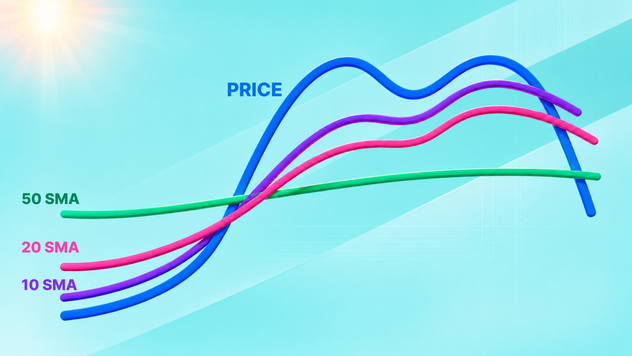
- Technical analysis: Traders can study silver price charts to identify trends, support and resistance levels, trading ranges and potential breakouts. Technical indicators such as moving averages or momentum indicators can also help with the analysis. Rather than relying on a single signal, traders can look for a combination of conditions before deciding whether to place a trade.
- Fundamental and event-based analysis: Silver traders can monitor developments in industrial demand and mining supply, movements in the US dollar, interest-rate expectations and economic or geopolitical events. Because markets may react differently from what traders expect, an event alone does not determine how silver prices will move.
Some traders combine the two approaches, using fundamental analysis to understand the broader market conditions and technical analysis to identify potential entry and exit points. Whichever approach you choose, it’s important to have a trading strategy with clear rules for entering and exiting trades and managing risk.
When can you trade silver online?
Silver can generally be traded during much of the global trading week, but the exact trading hours depend on the instrument and provider. Futures follow the trading schedule of the exchange on which they are listed, while silver ETFs and mining shares generally trade during the opening hours of their relevant stock exchanges.
CFDs and other spot-based silver products may be available for extended hours during the trading week, subject to the provider's trading schedule and any market breaks. This means you should check the trading hours for the specific silver instrument you intend to trade rather than assume that all silver products follow the same schedule.
Trading conditions can also change throughout the day. Periods of greater market participation may have higher liquidity, while quieter periods may have lower liquidity or wider spreads. Economic releases, movements in the US dollar and other market events can also lead to sudden increases in silver price volatility.
There is no single best time to trade silver, as it depends on the instrument and your trading strategy. Just because a market is open doesn't mean it's the right time to trade. Consider market liquidity, trading conditions, upcoming events that could affect silver prices and whether the timing fits your strategy and risk management rules.
FAQs about trading silver online
Is silver suitable for beginner traders?
Beginners can trade silver, but they should understand the risks and how their chosen instrument works before trading with real money. Silver prices can be volatile, and leveraged products such as CFDs can magnify both potential gains and losses. Beginners should understand trading costs, position sizing and risk management, and can use a demo account to practise placing and managing trades before moving to live trading.
Is silver more volatile than gold?
Silver is generally more volatile than gold, meaning its price can experience larger percentage movements over a given period. However, relative volatility changes over time and depends on market conditions. Silver's industrial uses can also cause its price to respond to changes in manufacturing and economic activity differently from gold.
Does silver perform well during inflation?
Silver prices do not necessarily rise when inflation increases. Inflation expectations can affect demand for precious metals, but silver prices are also influenced by industrial demand, mining supply, interest rates, the US dollar and broader market conditions. Its performance during inflationary periods can therefore vary.
What is the relationship between silver and the US dollar?
Silver is commonly priced in US dollars, so changes in the dollar can influence silver prices. A stronger US dollar can make silver relatively more expensive for buyers using other currencies, while a weaker dollar can have the opposite effect. However, the relationship is not fixed, and other supply, demand and market factors can outweigh movements in the US dollar.
What is the difference between silver trading and silver investing?
Silver trading generally involves taking positions on silver price movements, often over shorter time horizons, while silver investing typically involves holding physical silver or silver-related assets with a longer-term objective. Trading may involve derivatives that provide price exposure without ownership of the physical metal, while investing can include physical silver, ETFs or mining shares. However, the distinction is not absolute, as assets such as ETFs and mining shares can be actively traded or held as longer-term investments.