Help
Help 
ICT Killzones explained: why London and New York sessions matter to traders
ICT Killzones are specific trading windows when market activity, liquidity and volatility often increase. They are not buy or sell signals, but periods when price is more likely to make meaningful moves as banks, institutions and professional traders become more active.
ICT Killzones are periods when institutional trading activity is usually at its strongest.
London and New York are the two Killzones traders follow most closely.
These sessions often create liquidity sweeps, market structure shifts and strong directional moves.
What are ICT Killzones?
ICT Killzones are specific periods during the London and New York trading sessions when market activity tends to increase sharply.
The London and New York Killzone receive the most attention, although some traders also monitor the Asian session and the London Close. In many cases, the Asian session establishes a relatively narrow trading range that later becomes the focus of London trading.
Instead of searching for setups throughout the day, Killzone allow traders to concentrate on the hours when price is most likely to leave consolidation and develop a meaningful move.
Why liquidity sweeps often happen during Killzone
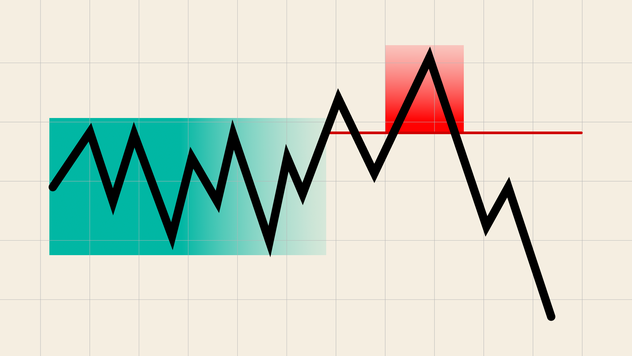
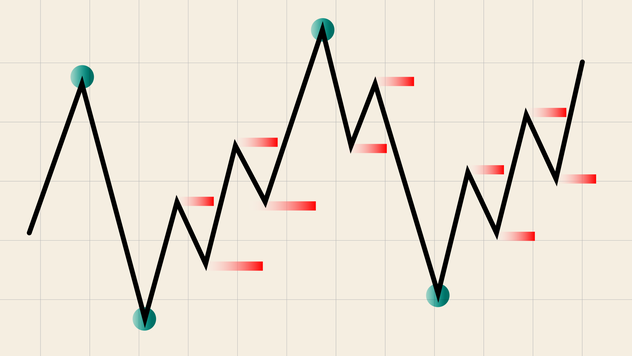
Before the market makes a significant move, liquidity often builds around obvious highs and lows.
These levels attract breakout traders while also containing clusters of stop-loss orders from traders already in positions. Once institutional participation increases, price frequently moves through one of these areas before revealing its next direction.
For many SMC traders, the sweep itself is only the first step. They wait for confirmation, such as a market structure shift or displacement, before looking for an entry.
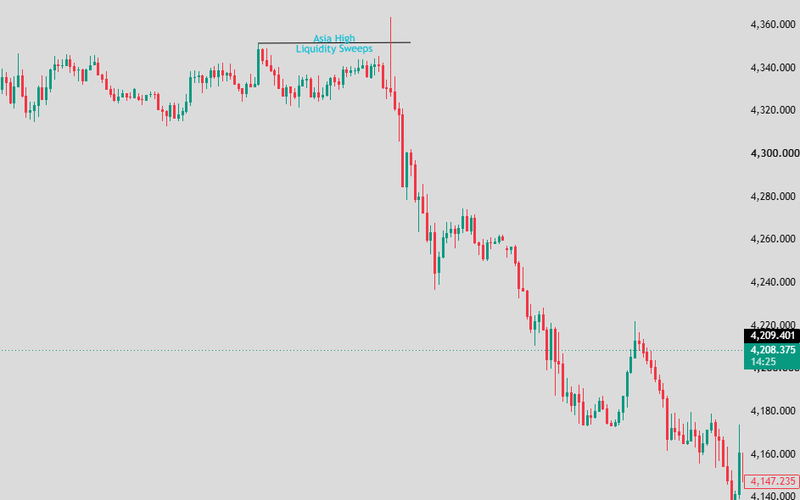
Source: Trading View
London Killzone trading model
For many ICT traders, the trading day truly begins when London opens. The London Killzone generally runs from 2:00 AM to 5:00 AM New York time, although the exact hours can vary slightly because of daylight saving changes.
After the relatively quiet Asian session, London often brings a noticeable increase in liquidity. The highs and lows formed overnight frequently become targets as institutional traders begin executing larger orders.
It is common to see price move beyond the Asian range before establishing the direction that dominates the rest of the session.
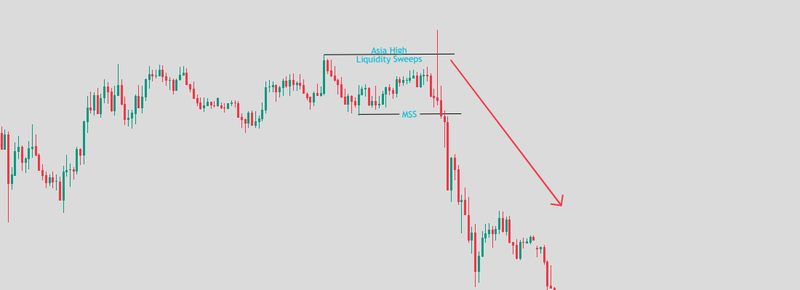
Source: Trading view
How to trade the London Killzone
Many traders begin the London session by looking at what happened overnight rather than focusing on the first candle after London opens.
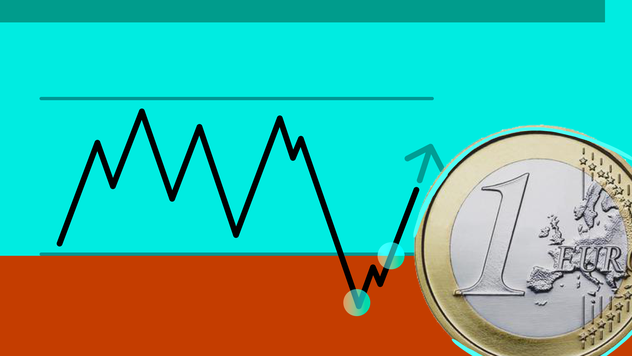
The Asian session often forms a relatively tight trading range, creating obvious highs and lows where liquidity begins to build. When London opens, prices frequently move beyond one side of that range before deciding on its real direction.
Instead of chasing that initial breakout, wait to see how the market reacts. If price sweeps the Asian low and quickly moves back above it, buyers may be stepping in. If it sweeps the Asian high before reversing lower, sellers may be taking control.
Once the liquidity sweep is complete, look for confirmation. A break of structure or change of character shows that momentum has shifted. From there, wait for price to retrace into a fair value gap or order block rather than entering after the impulsive move.
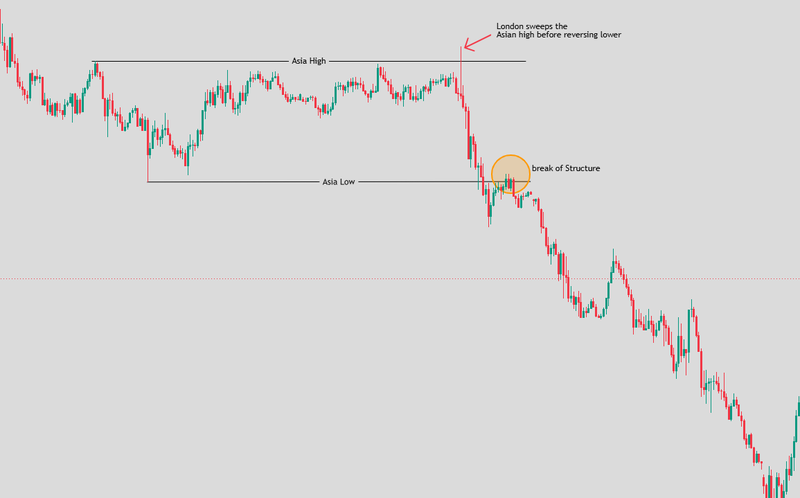
Source: Trading view
What is the New York Killzone?
The New York Killzone begins as the US trading session opens while London is still active.
This overlap creates one of the busiest periods of the trading day, combining liquidity from the world's two largest financial centres. The session typically runs from 7:00 AM to 10:00 AM New York time, with slight adjustments during daylight saving periods.
Many important US economic reports, including inflation, employment, GDP and Federal Reserve announcements, are also released during this window, making it one of the most closely watched sessions for forex, indices and gold traders.
Why is the New York Killzone important?
The New York session often builds on the liquidity created earlier in London. Sometimes it extends the existing trend. At other times, major US economic data completely changes market direction.
Markets such as EUR/USD, Gold, Nasdaq and the S&P 500 often experience their highest trading activity during this period because they are influenced by both European and American order flow.
New York Killzone trading model
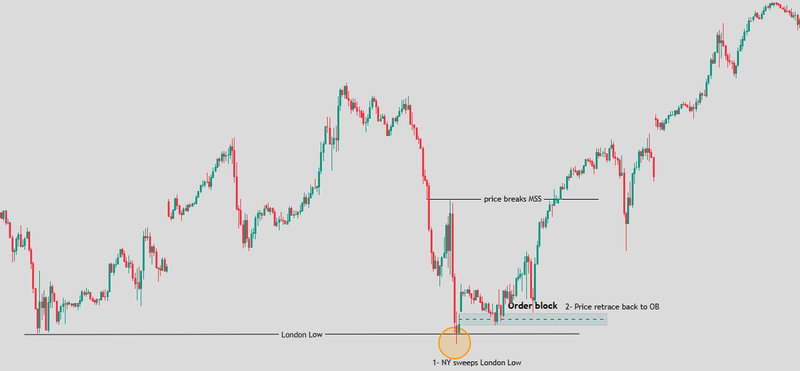
A common New York Killzone setup begins with price approaching an obvious high or low created earlier in the session. As New York opens, increased volatility often pushes price beyond that level, triggering stop-losses and breakout orders.
Rather than following the first move, many SMC traders wait to see whether the market rejects the breakout. If price quickly changes character and breaks market structure, it suggests that buyers or sellers have taken control.
The final step is waiting for price to be retraced into a fair value gap or order block before looking for an entry. This approach allows traders to enter after confirmation instead of reacting to the initial volatility.
Source: Trading view
How to trade the New York Killzone
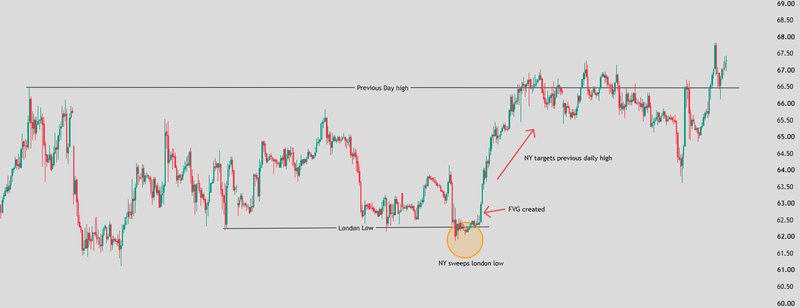
The New York Killzone follows the same principles but often reacts to liquidity created during the London session. Before New York opens, identify the important highs and lows formed earlier in the day. These levels often become targets once U.S. traders enter the market and volatility increases.
If price sweeps one of those levels during the opening minutes, avoid assuming the breakout will continue. Wait to see whether the market accepts the move or quickly rejects it.
A rejection followed by a clear market structure shift can provide the confirmation many SMC traders look for. Instead of entering immediately, allow price to be retraced into a fair value gap or order block before considering a trade.
This is especially important on days when major U.S. economic data is released. News can create sharp moves in both directions before the market establishes a clearer trend. Waiting for confirmation helps reduce the risk of getting caught in the initial volatility.
Source: Trading view
London Kill Zone vs New York Killzone
The London Killzone frequently establishes the day's initial direction. It often attacks the highs or lows created during the Asian session before beginning a sustained move.
The New York Killzone usually reacts to liquidity created during the European session. Depending on market conditions, it may continue London's trend or completely reverse it, especially after major U.S. economic data.
Common mistakes when trading Killzones
One of the biggest mistakes is assuming that every London or New York open will produce a trade. Killzone increase the probability of meaningful price action, but they do not guarantee it. Some sessions remain quiet, while others produce false breakouts before establishing direction.
Another common mistake is entering as soon as price becomes volatile. A strong candle after the session opens is not confirmation by itself. Many false moves begin with aggressive momentum before quickly reversing.
Ignoring the higher-timeframe trend is another frequent error. A lower-timeframe setup that goes against the broader market direction often has a lower probability of succeeding.
FAQs
What are ICT Killzones?
ICT Killzones are specific periods during the trading day when institutional activity, liquidity, and volatility tend to increase. Traders often watch these sessions for liquidity sweeps, market structure shifts, and high-probability trading opportunities.
What time is the London Killzone?
The London Killzone typically runs from 2:00 AM to 5:00 AM New York time, although the exact time can vary slightly because of daylight saving changes.
What time is the New York Killzone?
The New York Killzone usually takes place between 7:00 AM and 10:00 AM New York time, covering the opening of the U.S. session and the overlap with London.
Why do ICT traders use Killzones?
ICT traders use Killzones because they often coincide with higher liquidity, stronger volatility, and increased institutional participation. These conditions can create better trading opportunities than quieter parts of the day.
Which markets work best with ICT Kill Zones?
Kill Zones are widely used in forex, particularly EUR/USD and GBP/USD, but they are also popular for trading Gold, Nasdaq, the S&P 500, and other highly liquid indices.