Support
How liquid is physical gold? A guide for investors
Physical gold is one of the world’s most liquid tangible assets, supported by global demand and transparent pricing. However, how quickly it can be sold depends on the product type, recognition, purity and selling route.
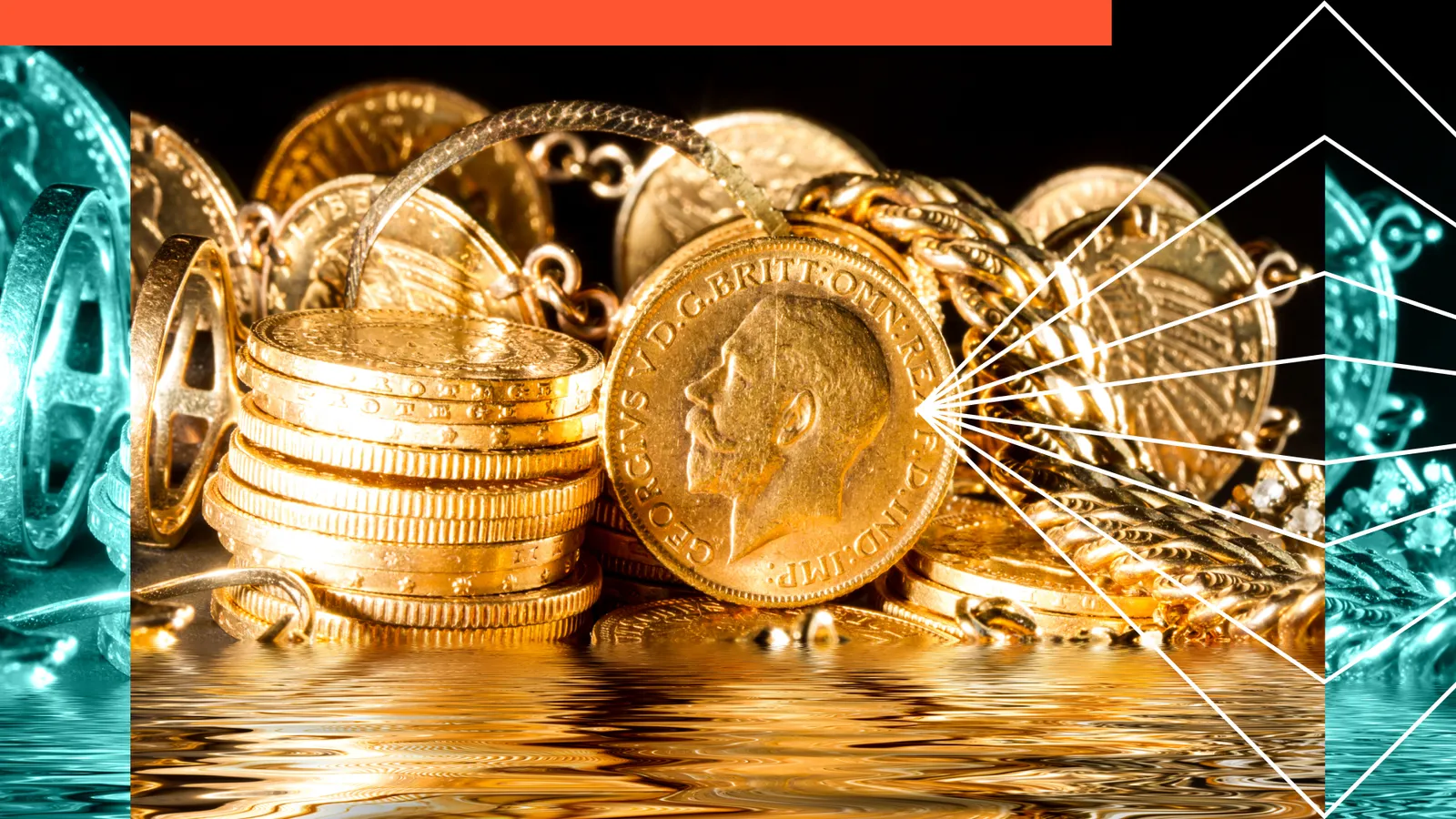
Physical gold offers strong liquidity due to its global demand, transparent pricing and role as a trusted store of value.
The size and depth of the gold market help make it accessible to buyers and sellers, even during economic uncertainty.
Gold can provide liquidity when other physical assets are harder to sell, although coins and bars may still require verification.
Gold ETFs and app-based gold holdings can enhance liquidity by allowing investors to buy and sell gold exposure without handling physical metal.
What liquidity means for physical gold
Liquidity refers to how quickly and easily an asset can be converted into cash without a significant loss in value. For physical gold, this usually means asking how quickly a buyer can be found, how close the offer is to the current spot price and how easily the gold’s weight, purity and authenticity can be verified.
When assessing the liquidity of physical gold, investors often look at factors such as the current gold price, the purity of the gold, whether it comes from a recognised mint or refiner, and how easy it is to find a buyer. Costs such as bid-ask spreads, shipping, insurance and testing fees can also affect how easily gold can be sold and at what price.
Charts showing gold prices, trading volumes or bid-ask spreads can provide useful information about market liquidity, but physical gold involves additional considerations. Before a coin or bar can be sold, buyers may want to verify its authenticity and purity. As a result, the ease of buying and selling physical gold may differ from what market data alone suggests.
How liquid different forms of physical gold are
Different forms of physical gold have different resale characteristics. Standard bullion coins and small-to-medium bars are usually easier to sell because their weight, purity and specifications are widely understood.
Jewellery can also be sold, but it may be less straightforward because buyers need to assess its gold content, craftsmanship, condition and resale potential. Large bars may be efficient to buy, but they can be harder to sell quickly because fewer buyers can afford them in a single transaction.
Coins vs. bars: which sells faster and why
Recognised bullion coins often sell quickly because their weight, purity and specifications are widely known. Products such as Sovereigns, American Eagles and Maple Leafs are issued by official mints and are familiar to many bullion dealers and investors.
Gold bars can also be highly liquid, particularly when they are produced by recognised refiners, remain in their original packaging and include clear assay information.
In general, products that are easy to identify and verify are often easier to buy and sell. When a dealer or investor can quickly confirm the item's weight, purity and origin, pricing is usually more straightforward. Less familiar products may take longer to sell or attract a larger discount.
Popular products and market demand
Popular gold products are often easier to buy and sell because they are widely recognised by dealers and investors.
- 1 oz gold bars: A common choice for investors, offering a balance between value, portability and resale demand.
- Gold Sovereigns: Investment-grade bullion coins produced by The Royal Mint and widely recognised in the gold market.
- American Gold Eagles: Popular bullion coins backed by the US Mint and available in a range of sizes.
- Canadian Maple Leafs: Well-known bullion coins recognised globally for their high purity and broad market acceptance.
Because these products are familiar to many buyers, they can often be valued and traded more quickly than less common coins or bars.
How product size affects liquidity
The size of a gold product can also affect its liquidity.
Smaller bars and fractional coins can offer greater flexibility because investors can sell part of their holdings rather than a single large item. This may be useful for those who want the option to liquidate gradually.
The trade-off is that smaller products often carry higher premiums per gram. Larger bars may be more cost-efficient to buy, but they can be less flexible to sell because fewer buyers may be able to purchase them in a single transaction.
Key factors that affect liquidity and resale value
Several factors affect gold market liquidity at the investor level, including purity, product recognition, condition, documentation, spreads, market volatility and the selling route used.
A calm market may support tighter spreads, while volatile conditions can make dealers more cautious when quoting buy-back prices. Gold may remain liquid during periods of market stress, but the final resale value can still be affected by transaction costs and verification requirements.
Purity and recognised refiners
Purity is a key factor in gold liquidity because buyers need to know exactly how much fine gold an item contains. Investment-grade bars are typically marked with their fineness, weight, serial number and refiner stamp, making them easier to identify and value.
Gold bars from recognised refiners may also be easier to sell. For example, LBMA-accredited refiners meet standards required for inclusion on the Good Delivery List, helping build confidence among buyers.
Assay certificates and original packaging can further support liquidity by helping verify a bar's purity and authenticity. If these are missing or damaged, additional checks may be required before a sale can be completed.
Condition, packaging and proof of authenticity
Condition and packaging can affect how easily gold is sold. A sealed bar with a clear serial number and assay card is often easier to verify than one with damaged or missing packaging.
For bullion coins, the metal content is usually the main driver of value. However, for proof, rare or collectable coins, condition can play a larger role because part of the value may come from collectability rather than gold content alone.
Receipts, certificates, original packaging and purchase records can help support authenticity and make the resale process more straightforward.
Bid-ask spreads, premiums and market volatility
The spot price is the reference price for gold, but physical gold is rarely bought or sold exactly at spot. Buyers and sellers usually face spreads, fees, premiums or other costs depending on the product and route used.
When buying physical gold, the price may include a premium for production, minting, packaging, distribution and dealer margin. When selling, dealers usually quote a buy-back price that reflects the gold content, the current market price, the product’s resale potential and the dealer’s own costs and risk.
These costs reduce effective liquidity compared with financial instruments that can be sold electronically. This is why physical gold is liquid, but not usually as fast or cost-efficient to sell as ETFs, futures or app-based digital holdings.
Where and how to sell physical gold?
Physical gold can be sold through bullion dealers, coin shops, specialist gold buyers, refineries, online marketplaces, private sales or app-based platforms. Each route has a different balance of speed, price, convenience and verification requirements.
Bullion dealers and coin shops are often practical options for recognised bars and coins because they understand spot pricing, product specifications and resale demand. Specialist gold buyers or refiners may be more suitable for jewellery, scrap gold or items where the value depends mainly on melt value and purity.
Pawn shops and instant-cash buyers may provide speed, but they may offer lower prices than specialist bullion dealers because they are not always focused on investment-grade resale pricing. Private sales and online marketplaces may sometimes achieve a higher price, but they require more effort and involve additional risks around trust, payment, delivery, insurance and dispute handling.
Managing physical gold liquidity with Equiti
Physical gold is highly liquid, but traditional ownership can still involve practical steps such as storage, verification, transport and finding a buyer when it is time to sell. These factors can affect how quickly investors access the value of their gold.
With the Equiti app, eligible users can buy, hold and sell physical gold digitally, giving them a more convenient way to manage their gold exposure in one place. Users can purchase investment-grade 999.9 purity gold bars, hold their gold in-app, gift it to other users or request delivery in the UAE, subject to delivery conditions.
When users choose to sell, they can enter the amount of gold, select their preferred currency and review the live market price before confirming the order. Once completed, the sale value is credited back to their account, helping make physical gold easier to manage as a liquid asset.
FAQs
Is gold naturally liquid?
Yes. Gold is naturally liquid because it has global demand, transparent pricing and a deep international market. Physical gold is widely recognised as a store of value, which helps support strong gold liquidity across different market conditions.
Is physical gold easy to sell?
Yes, physical gold is generally easy to sell, especially when it is a recognised bullion coin or bar from a trusted mint or refiner. However, selling physical gold may still involve verification, bid-ask spreads, documentation checks or transport, so it is not always as instant as selling ETFs or app-based gold holdings.
Does the size of a gold bar affect liquidity?
Yes, the size of a gold bar can affect liquidity. Smaller bars and fractional products are usually more flexible because investors can sell part of their holding, while larger bars may be more cost-efficient to buy but can take longer to sell because fewer buyers can purchase them in one transaction.
What does it mean when gold is “liquid”?
When gold is “liquid”, it means it can be converted into cash quickly and easily without a significant loss in value. For physical gold, liquidity depends on how quickly a buyer can be found, how close the offer is to the spot price and how easily the gold’s weight, purity and authenticity can be verified.
Is physical gold more liquid than other investments?
Physical gold is more liquid than many tangible assets, such as property or collectables, because it has global demand and widely recognised pricing. However, it is usually less liquid than ETFs, futures or app-based gold holdings because physical coins and bars may require verification, storage, transport and resale arrangements before they can be converted into cash.