
 Support
 US markets rise on geopolitical relief and strong Q1 performance; UK inflation accelerates
US equity markets reached record valuations following the indefinite extension of the US-Iran ceasefire and a series of robust Q1 earnings reports. In contrast, the United Kingdom’s inflation rate accelerated to 3.3%, driven by soaring energy costs and intensifying concerns regarding stagflation. Meanwhile, Japan’s trade surplus expanded to a multi-year high, underpinned by unprecedented demand for artificial intelligence (AI) infrastructure.

US indices climbed to all-time peaks as geopolitical de-escalation in the Middle East coincided with corporate earnings that signalled resilient growth.
Driven by transport and energy volatility, UK inflation hit 3.3% in March, complicating the Bank of England’s monetary policy trajectory.
Japanese exports grew by 11.7% year-on-year, propelled by the AI technology boom, resulting in Japan’s most significant trade surplus since 2020.
Despite diplomatic progress, the continuation of naval blockades and energy price fluctuations remain significant headwinds for the global economic outlook.
US stock markets rise amid the US-Iran ceasefire extension and robust quarterly reports
US stock markets concluded the session with gains, supported by optimistic sentiment surrounding the indefinite extension of the US-Iran ceasefire and strong corporate earnings for the first quarter of 2026.
Just hours before the expiration of the previous ceasefire deadline, the US President Donald Trump announced an indefinite extension following a formal request from Pakistan, which has acted as a primary mediator between the two nations. While this diplomatic development is perceived as a positive step toward resolving energy supply chain disruptions in the Strait of Hormuz, President Trump emphasised that the US Navy’s blockade of Iranian ports will remain in effect. Consequently, underlying market concerns regarding global economic impacts persist.
Simultaneously, corporate earnings are providing a solid foundation for market performance, with a high proportion of US firms reporting revenue and earnings per share (EPS) that exceed analyst forecasts. According to LSEG data, aggregate earnings growth is currently tracking at approximately 14%, indicating particularly strong performance across the financial and industrial sectors.
As a result, US benchmarks advanced in tandem. The S&P 500 rose by 1.05% to 7,137 points, marking a new record high. The Dow Jones Industrial Average gained 0.69% to close at 49,490 points. The Nasdaq 100 appreciated by 1.73% to 26,937 points, also reaching a new historical peak.
UK inflation rate accelerates on sharp increase in energy prices
Data from the UK Office for National Statistics (ONS) reveals that the annual inflation rate accelerated from 3.0% in February to 3.3% in March, aligning with market consensus. The report indicates that this inflationary pressure was primarily driven by a sharp rise in energy costs. An analysis by Trading Economics suggests that the most significant contributors were transport costs, motor fuels, and domestic heating oil. Furthermore, price acceleration was observed in food and non-alcoholic beverages, housing services, and the broader services sector.
While the uptick in inflation increases the pressure on the Bank of England (BoE), economists anticipate that the probability of a rate hike at the upcoming meeting on 30 April remains low, as the data did not yield a significant upside surprise. Nevertheless, the central bank faces an increasingly complex environment; general economic growth has moderated over the last three quarters, leading many analysts to warn of mounting stagflation risks.
Following the release, the British pound saw a marginal appreciation of 0.01%, trading at $1.3503, while the FTSE 100 index retreated by 0.21% to close at 10,476 points.
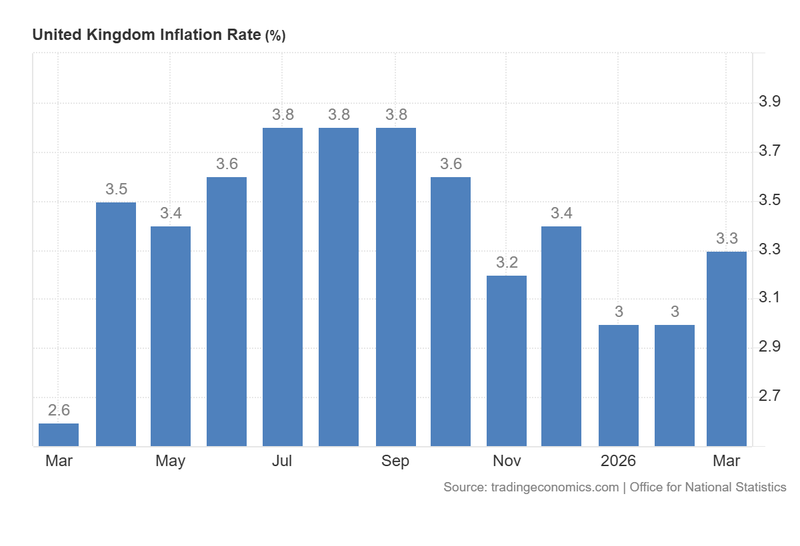
Figure 1. United Kingdom Inflation Rate (2025–2026). Source: Data from the Office for National Statistics; Figure obtained from Trading Economics.
Japanese exports exceed forecasts, supported by rising AI demand
According to data from Japan’s Ministry of Finance, year-on-year exports increased by 11.7% in March, while imports rose by 10.9%. Both figures surpassed analyst forecasts and exceeded previous readings. Consequently, the trade balance expanded from ¥44.3 billion to ¥667 billion—the highest surplus recorded since December 2020.
This robust performance was primarily driven by the surging global demand for artificial intelligence (AI) products, particularly those related to data centre infrastructure. Despite this success, Japanese firms have expressed growing concern regarding the potential economic impact of a prolonged Middle Eastern conflict, specifically for energy-intensive sectors such as the automotive and petrochemical industries.
At the market close, the Japanese yen recorded a marginal appreciation against the US dollar to trade at ¥159.36, while the Nikkei 225 index rose by 0.40% to 59,585 points—representing a new record high for the index.
