Support
Silver surges as Peru supply fears collide with rising industrial demand optimism
Silver prices jumped nearly 9% after markets reacted to reports of a severe structural liquidity crisis at a major state-owned oil company in Peru.
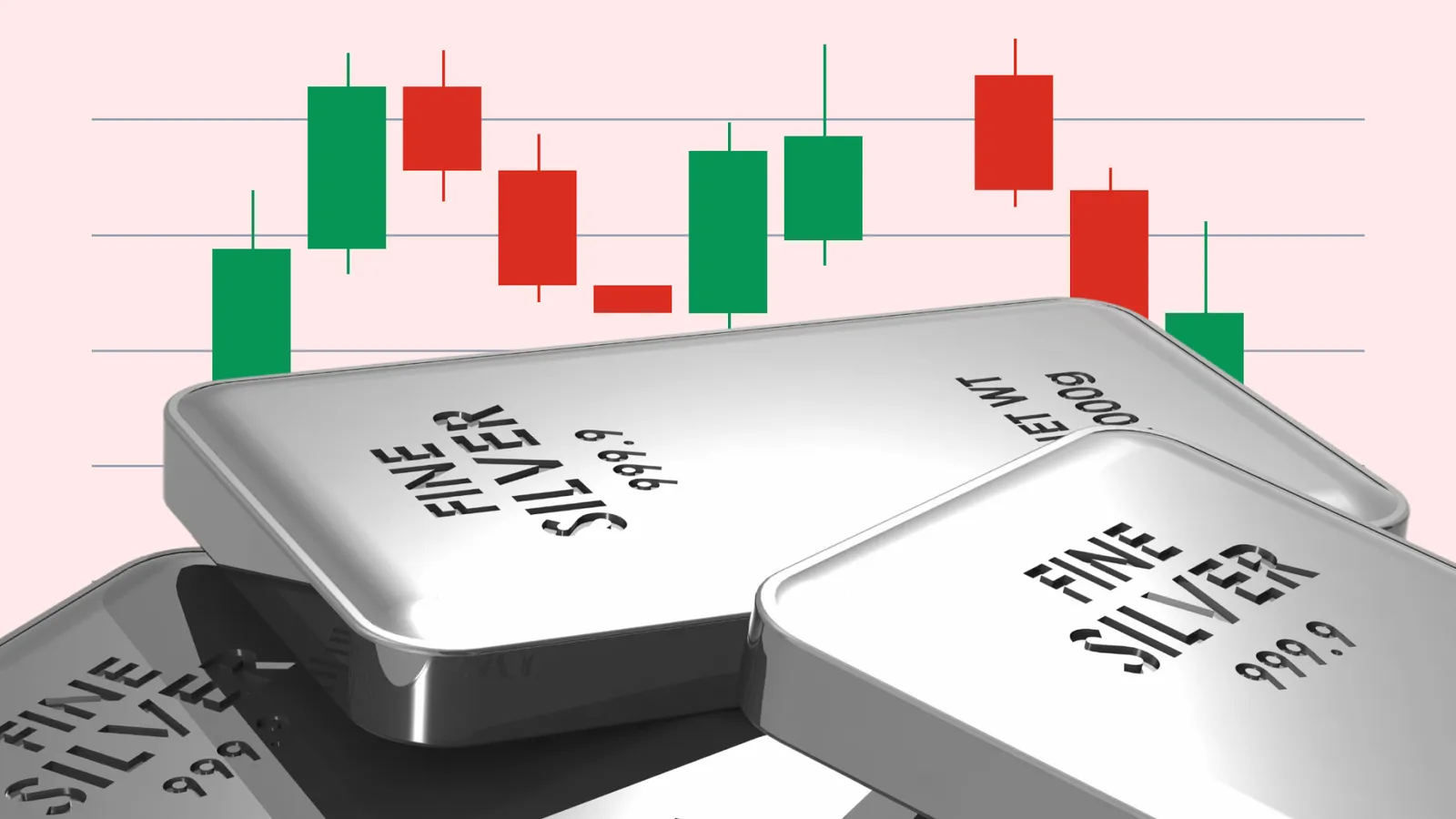
Silver jumped 9% and the initial trigger came from Peru.
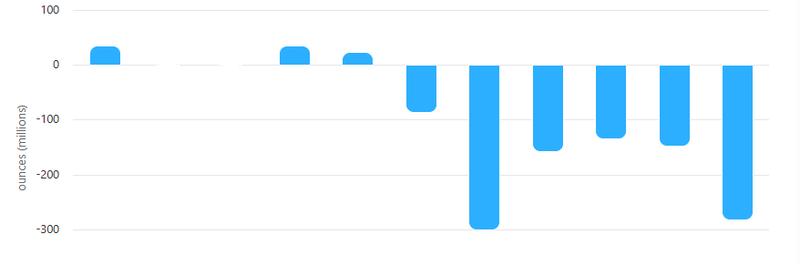
Silver is moving through its sixth consecutive year of structural deficit.
Optimism ahead of the Trump-Xi summit.
Markets are beginning to price in supply instability
Silver jumped 9% and the initial trigger came from Peru, where financial stress around a major state-linked energy company raised concerns about potential spillovers into fuel distribution, transport networks and mining operations.
Peru matters because it is a major source of global silver supply. In a balanced market, concerns around a single company or logistics channel might have been absorbed more calmly. But silver is no longer trading in that kind of environment. After several years of tight supply, even the perception of operational risk can move quickly through the market.
So far, there has been no confirmation of major production shutdowns. But that is not what traders are reacting to. They are reacting to the possibility that a prolonged liquidity crisis could start affecting the infrastructure around mining activity from fuel access to transportation costs and financing conditions.
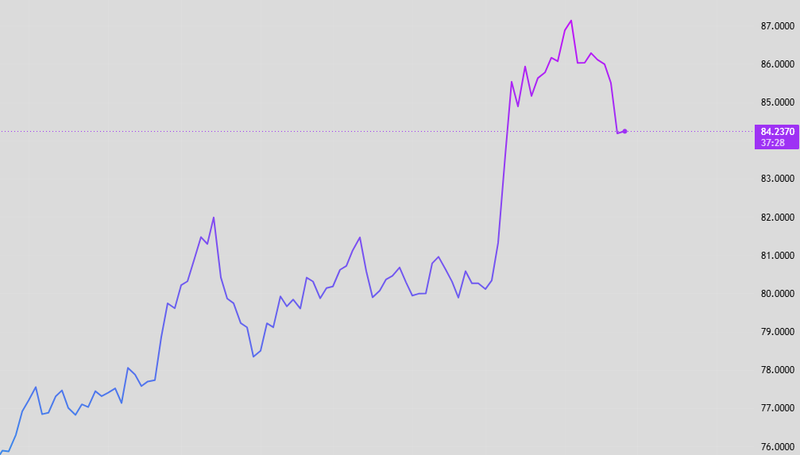
Source: Trading View
Silver was already in a fragile position
The rally also comes at a time when silver’s fundamentals were already stretched. According to the Silver Institute’s World Silver Survey 2026, the market is moving through its sixth consecutive year of structural deficit, with demand continuing to exceed available supply.
That changes how markets react to bad news. When inventories are comfortable, supply headlines often fade quickly. When inventories are tight, the same headline can force a much larger repricing.
This is the broader issue now. Silver does not have the same cushion it once had. Years of deficits have gradually reduced the market’s ability to absorb shocks, which means supply concerns in a major producing country can carry more weight than they would in a loose cycle.
Source: Auronum
Industrial demand is becoming the stronger story again
The other side of the move is demand, Silver is increasingly being driven by expectations around manufacturing, electrification and technology supply chains. Optimism ahead of the Trump-Xi summit has improved sentiment across sectors closely tied to silver consumption, including solar energy, electric vehicles and semiconductors.
That matters because silver is no longer traded only as precious metal. Its industrial role is becoming more important to the market’s pricing structure. If investors believe that trade tensions between the US and China could ease, even partially, then demand expectations for key industrial metals can improve quickly.
A limited diplomatic breakthrough would not solve every supply-chain problem. But it could reduce uncertainty for manufacturers and support investment in sectors where silver demand is structurally rising.
Structural deficits are making the market more reactive
The combination of supply risk and industrial optimism is powerful because it is landing in a market that was already undersupplied.
This is why the latest rally should not be viewed as a simple reaction to Peru or to one diplomatic meeting. Those are the visible catalysts. The deeper story is that silver has become more vulnerable to sharp repricing because the underlying balance has been tightening for years.
The bigger shift is that silver is increasingly being treated as a secondary precious metal and more as a strategic industrial commodity.
That distinction matters. Silver sits directly inside the energy transition, solar production, electric vehicles, advanced electronics and semiconductor supply chains. In a world where governments are competing to secure industrial capacity and critical materials, that gives silver a different kind of macro relevance.