
 Help
Help
Trump extends pause on Iran energy strikes as White House insists talks are progressing
President Donald Trump has given diplomacy a little more time, extending by 10 days his pause on attacks targeting Iranian energy infrastructure while insisting that negotiations are moving in the right direction. The delay offers Washington more room to pursue talks — and more time to expand its military options in the region — even as fighting continues and energy markets remain highly sensitive to every headline.

Trump extended his pause on attacks against Iranian energy sites by 10 days.
The White House says talks are progressing, despite conflicting signals from Tehran.
Reports suggest the Pentagon may send up to 10,000 additional troops to the region.
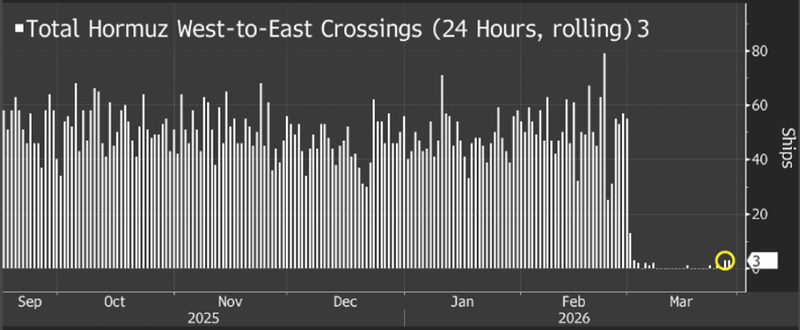
Oil markets remain volatile as the Strait of Hormuz stays at the center of the conflict.
Trump buys time for diplomacy — and for military planning
President Donald Trump has again pushed back his self-imposed deadline for Iran to reach an agreement with Washington or face renewed attacks on energy infrastructure, saying negotiations are going “very well” and extending the pause by another 10 days.
The move marks the second extension since Trump first threatened to strike Iranian power plants over the weekend. It reflects a White House trying to preserve diplomatic leverage while also avoiding another immediate shock to already volatile oil markets.
At the same time, the extra time is not just for talks. It also gives the United States more room to strengthen its military posture in the region if diplomacy stalls.
Troop buildup remains part of the pressure strategy
Reports out of Washington suggest the Pentagon is considering sending as many as 10,000 additional troops to the Middle East. That would significantly expand America’s options if the conflict deepens and would reinforce the pressure campaign now running alongside the diplomatic one.
Trump has continued to describe the broader military effort as ahead of schedule, but the extension shows the White House is not yet ready to close off a negotiated outcome — at least not publicly.
Talks remain murky and heavily disputed
Despite Trump’s confidence, the actual state of the negotiations remains far from clear. Tehran has signaled that it is still waiting for a response after rejecting a US 15-point plan aimed at ending the war and instead proposing its own conditions.
Those reported Iranian demands include guarantees that neither the US nor Israel would resume attacks, compensation for war damage, and recognition of Iran’s authority over the Strait of Hormuz. Tehran has also reportedly called for an end to the war across all fronts, a likely reference not only to its confrontation with the US and Israel, but also to the parallel conflict involving Lebanon.
That leaves a wide gap between the two sides. Washington is portraying talks as constructive. Tehran is signaling that its demands remain unmet. That is not exactly the sort of setup that screams “breakthrough.”
Hormuz remains the pressure point for both sides
The Strait of Hormuz is still the most important economic battlefield in this conflict. Trump said Iran had allowed some oil tankers to pass as a goodwill gesture, while US officials continue working on measures to protect shipping and stabilize energy flows.
At the same time, Iranian lawmakers are reportedly preparing legislation to impose a transit toll through the strait, adding another layer of risk to an already fragile shipping environment. French and allied military officials are also working on plans aimed at restoring freedom of navigation once conditions allow.
In other words, everyone is talking about stability — while preparing for a much messier reality.
Source: Bloomberg
Markets remain trapped between hope and fear
Oil prices remain highly reactive to every signal out of Washington and Tehran. Brent crude retreated after earlier gains as traders weighed the extension of the strike pause against the ongoing risk of wider escalation. Asian equities also fell, reflecting broader caution across global markets.
The inflation implications are becoming harder to ignore. Elevated energy prices have already pushed international institutions to revise inflation forecasts higher, and the longer.
the disruption persists, the more difficult it becomes for governments and central banks to treat it as a temporary disturbance.
The war continues even as diplomacy drags on
The extension of the energy-strike pause has not slowed the fighting on the ground. Israeli strikes have continued in Iran, Tehran has launched more missiles, and the conflict’s regional spillover risk remains high. Gulf states are weighing their own response options, while casualties continue to rise across Iran, Lebanon, Israel and parts of the Gulf.
That is what makes the current moment so unstable. Diplomacy is not dead, but neither is escalation. Trump is clearly trying to hold both paths open at once — talk peace, build leverage, keep markets calm, and avoid looking weak.
The problem, of course, is that wars do not usually become easier to control just because deadlines get extended.


