Support
EUR/USD caught between a hawkish Fed and a less comfortable ECB
EUR/USD is moving into a more complicated macro phase as inflation risk returns on both sides. Several Fed officials have stressed that price stability remains the priority.
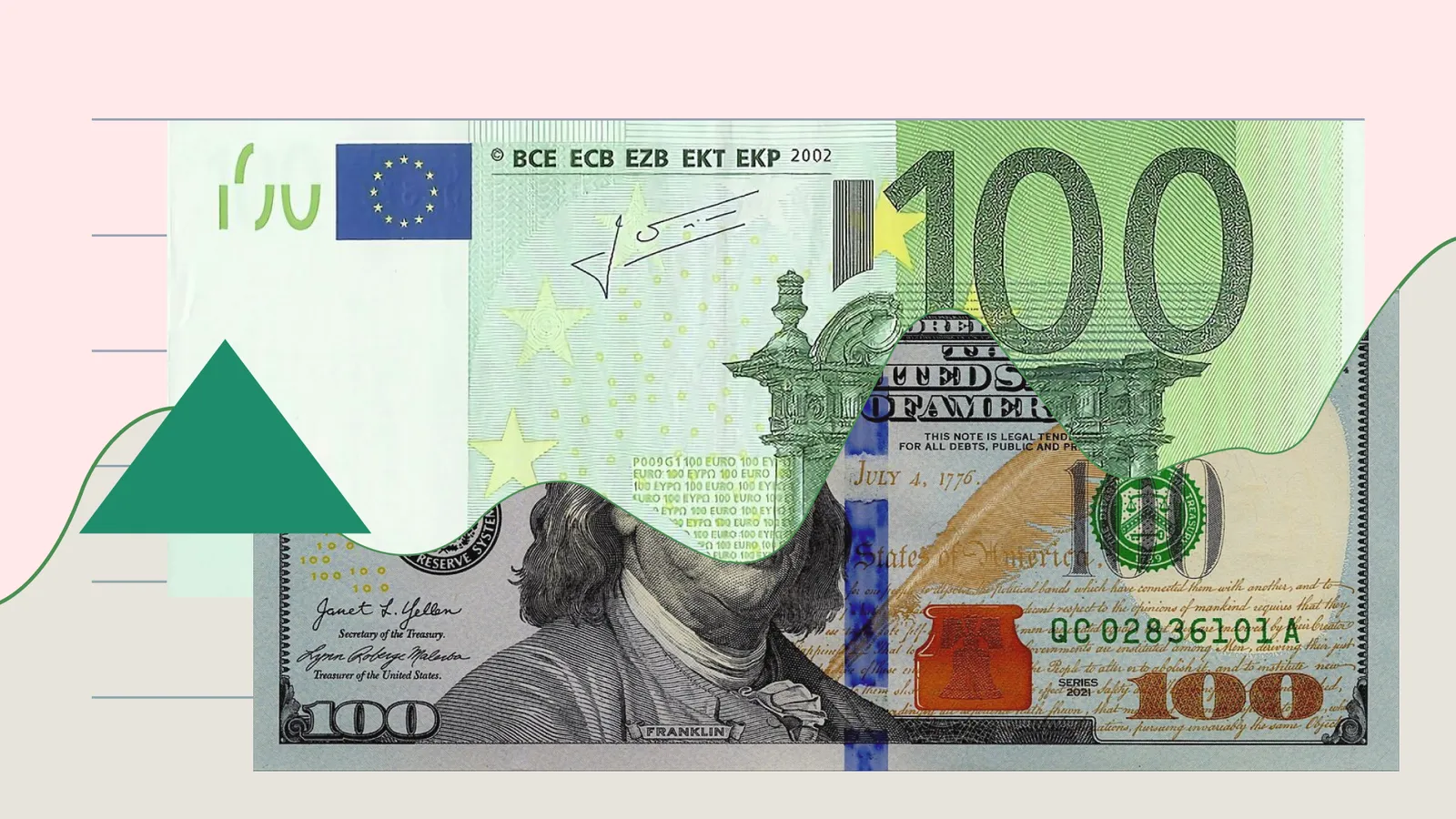
The US dollar is finding support because markets are no longer treating inflation as a temporary disturbance.
Scott Bessent has pushed back against the idea that the current inflation episode will repeat the post-Covid surge.
The euro side of the story is no longer cleanly dovish either.
The dollar is being supported by a tougher Fed path
The US dollar is finding support because markets are no longer treating inflation as a temporary disturbance. Recent inflation pressure, stronger energy costs and resilient consumer spending have pushed investors to rethink the Fed’s path, markets now see a 60% chance of a Fed rate hike by January, a major shift from the earlier view that rate cuts would dominate the 2026 policy debate.
U.S. dollar usually benefits when US rate expectations move higher. The move does not necessarily mean the US economy is in a stronger position. It means the Fed may have less room to support growth if inflation remains uncomfortable.
The bigger issue is credibility. Fed officials were heavily criticized after the 2021–22 inflation surge for describing price pressure as transitory and tightening too late. That history now makes policymakers less willing to dismiss another energy-led inflation shock too quickly.
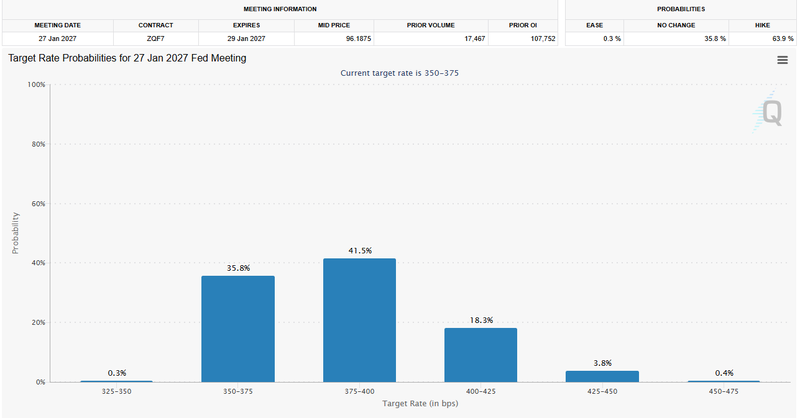
Source: CME Group
Bessent is trying to separate this inflation shock from 2021
Scott Bessent has pushed back against the idea that the current inflation episode will repeat the post-Covid surge. His argument is that the 2021–22 move followed an unusual mix of pandemic stimulus, supply-chain disruption and a major demand imbalance, while today’s pressure is more closely tied to energy and war-related supply stress.
Bessent said he was never on team transitory during Covid but argued that the current energy inflation shock could fade within a few days or a few weeks as prices cool again.
That message is politically important, but markets are not fully accepting it yet. Traders are looking at inflation data, oil prices and Fed communication rather than simply assuming the shock will fade. For the dollar, that means rate expectations remain the stronger driver for now.
The ECB is also being forced into a more hawkish position
The euro side of the story is no longer cleanly dovish either. The ECB is facing renewed pressure from sticky inflation expectations and higher energy prices, with Reuters polling showing that 59 of 70 economists expect the central bank to raise the deposit rate by 25 basis points to 2.25% in June. That is a clear shift from the April poll, when only just over half expected a June hike.
This gives the euro some support. If the ECB is also forced to tighten, the rate gap between the US and euro zone may not widen as aggressively as it would if only the Fed turned hawkish.
But the ECB’s position is more fragile. Europe is more exposed to energy shocks, and growth remains weaker. That means the ECB may raise rates to defend inflation credibility, not because the economy can easily absorb tighter conditions.
That is the key difference between the dollar and the euro right now. The Fed is dealing with inflation alongside a still-resilient economy. The ECB is dealing with inflation inside a weaker growth environment.
EUR/USD is now trading a two-sided inflation shock
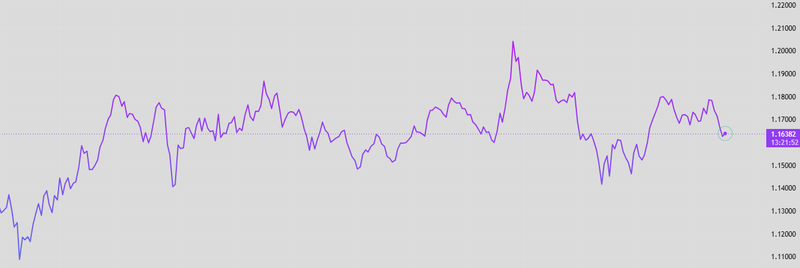
For EUR/USD, this creates a more balanced but still difficult setup. A hawkish Fed supports the dollar. A hawkish ECB supports the euro. But the quality of the support is not the same.
The dollar’s support comes from stronger US rate repricing and the idea that the Fed may have to keep policy restrictive for longer. The euro’s support comes from the ECB being pushed into action, but that action also raises the risk of weaker euro-zone growth.
EUR/USD is no longer only a story about US strength or European weakness. It is now a story about which central bank has the harder inflation problem, and which economy can tolerate tighter policy for longer.
Source: Trading View