Help
Help 
US and Iran trade fire near Hormuz as fragile war-end talks come under strain
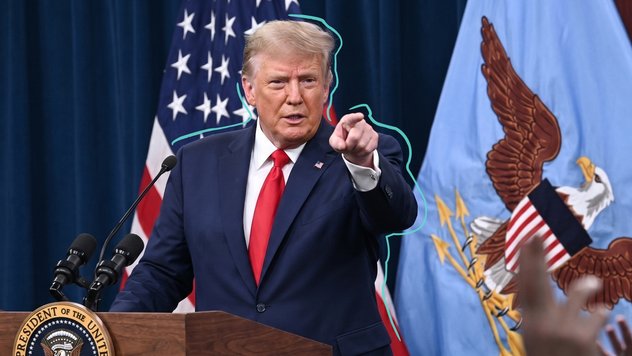
Fresh fighting between the US and Iran near the Strait of Hormuz has put new pressure on already fragile efforts to turn a shaky ceasefire into a broader deal. Washington says its forces struck Iranian missile and drone positions after three US warships came under threat while moving through the strait, while President Donald Trump warned that any refusal to accept US terms could bring a much harsher military response.
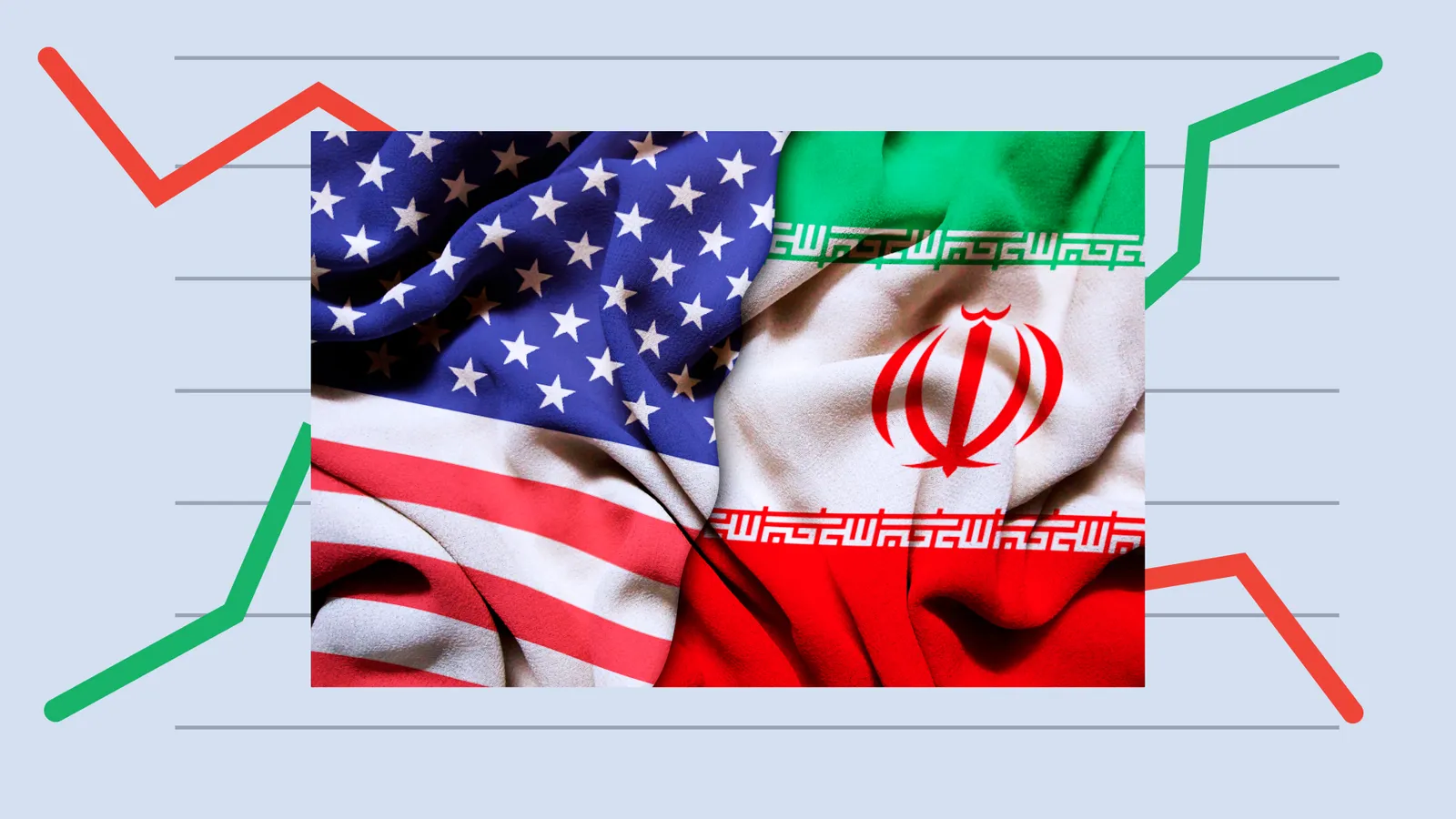
US forces struck Iranian military sites after threats against three US warships near Hormuz.
The flare-up comes as Iran is still expected to respond to a US peace proposal via Pakistan.
Trump warned that future strikes would be more severe if Tehran rejects the deal.
Oil rose and equities slipped as markets reacted to the renewed risk around a key energy chokepoint.
Fresh violence near Hormuz tests an already fragile ceasefire
The United States and Iran clashed near the Strait of Hormuz on Friday, jolting a diplomatic track that had only just begun to look viable. The exchange marked the most serious flare-up in days and immediately raised doubts about whether the two sides can keep a month-old ceasefire alive long enough to negotiate anything more durable.
According to US Central Command, American forces hit missile and drone launch sites and other Iranian military assets after three US warships came under threat while passing through the strait. The military said no US vessel was struck and that the ships completed the transit into the Gulf of Oman safely.
Trump insisted afterward that the ceasefire still technically remained in place. But the message from Washington was hardly one of calm.
Trump mixes diplomacy with threat
Even as the White House waits for Iran’s formal reply to a proposed framework for ending the war, Trump made clear that time — in his view — is running short. He said the US would strike again, and more forcefully, if Tehran refuses to sign on to the terms being discussed.
His public language was blunt, even by his standards. He said the US had “knocked them out again today” and warned that future action would be “a lot harder” and “a lot more violently” delivered if Iran did not move fast.
That leaves the administration trying to walk two tracks at once: keep diplomacy alive, but do it under open military pressure.
Iran’s response is still expected, but the room for compromise looks narrow
Despite the latest exchange, Iran is still expected to send a response within the next two days through Pakistan, which has been acting as an intermediary, according to a person familiar with the matter. That response is tied to a US proposal that would reopen the Strait of Hormuz and lift the American blockade, at least as a first step, in exchange for a broader process aimed at ending the 10-week war.
But the fighting near Hormuz underlines how brittle that process remains. Iran has shown little sign that it is ready to accept core US demands, especially on its nuclear program and uranium enrichment. And after a fresh round of strikes, any political space for compromise inside Tehran is likely to narrow further, not widen.
The battlefield and the negotiating table are now colliding
That is what makes this moment dangerous. The diplomacy was already fragile. Now it is being tested in real time by military events at the very chokepoint around which the proposed deal is supposed to revolve.
The Strait of Hormuz is not just another regional flashpoint. It is one of the world’s most important energy arteries, normally carrying about a fifth of global oil and LNG flows. Since the war began, traffic through the route has been severely constrained, and the shutdown has become one of the main drivers of the energy shock rippling through global markets.
Before the US announced its strikes, Iranian media had accused Washington of attacking two Iranian oil tankers in the area and striking civilian sites along the country’s southern coast and on Qeshm Island. The UAE, meanwhile, said its air defenses were intercepting drones and missiles aimed at the country, underscoring how easily this conflict keeps spilling outward.
Markets reacted fast, because Hormuz still matters more than rhetoric
The market response was immediate. Brent crude rose 1.3% to just above $101 a barrel, while Asian equities fell 1.1%, pulling back from record highs. European gas futures also climbed during thin Asian trade.
That reaction made sense. Investors had started to lean toward a de-escalation narrative after reports that a US proposal was under review in Tehran. Friday’s fighting was a reminder that diplomacy may still be moving, but it is moving inside an active war zone.
The market has learned by now not to take either ceasefires or Trump’s deal optimism at face value. Every new incident near Hormuz carries real pricing power because every new incident raises the risk that energy flows remain constrained longer than hoped.
Washington’s strategy remains unsettled
The latest clash also throws fresh light on how unsettled US strategy still is. Trump had previously announced “Project Freedom,” an effort to help commercial ships move through the strait, only to suspend it almost as quickly.
But nothing about the US approach looks settled. Officials say they do not seek escalation. At the same time, they are striking Iranian sites, warning of harsher attacks to come and leaving open the possibility of renewed military action around Hormuz.
Trump’s political clock is ticking
The domestic pressure on Trump is also growing. US gasoline prices have climbed above $4.50 a gallon for the first time since July 2022, putting energy costs back at the center of political anxiety six months ahead of midterm elections.
That pressure is one reason the administration is still trying to keep the diplomacy alive, even after Friday’s flare-up. A drawn-out war and a prolonged Hormuz disruption would deepen the energy shock, keep inflation pressure alive and turn what began as a foreign-policy gamble into a more direct domestic political problem.
Trump is also due to meet Chinese President Xi Jinping on May 14-15 in Beijing, a summit that has already been delayed once because of the war. Chinese officials have reportedly been uneasy about holding it before the Iran crisis is brought under control.
The ceasefire is still alive, but only on paper
For now, the ceasefire has not formally collapsed. That is the technical position. But the reality looks much shakier. When warships are threatened, missile sites are being struck, drones are intercepted over Gulf states and both sides are still threatening what comes next, it becomes harder to argue that the conflict is truly contained.
What exists now is not peace, and barely even a stable pause. It is a tense holding pattern in which diplomacy is still breathing, but only just.
If Tehran’s response to the US proposal is delayed, diluted or rejected, the next stage is unlikely to be a return to quiet negotiation. It is more likely to be another cycle of force, retaliation and market shock — with Hormuz once again at the center of it all.