Help
Help 
Stagflation explained: causes, risks and market impact
Stagflation is a difficult economic environment where rising prices, weak growth and high unemployment occur together. It can pressure households, challenge businesses and leave policymakers with limited options.
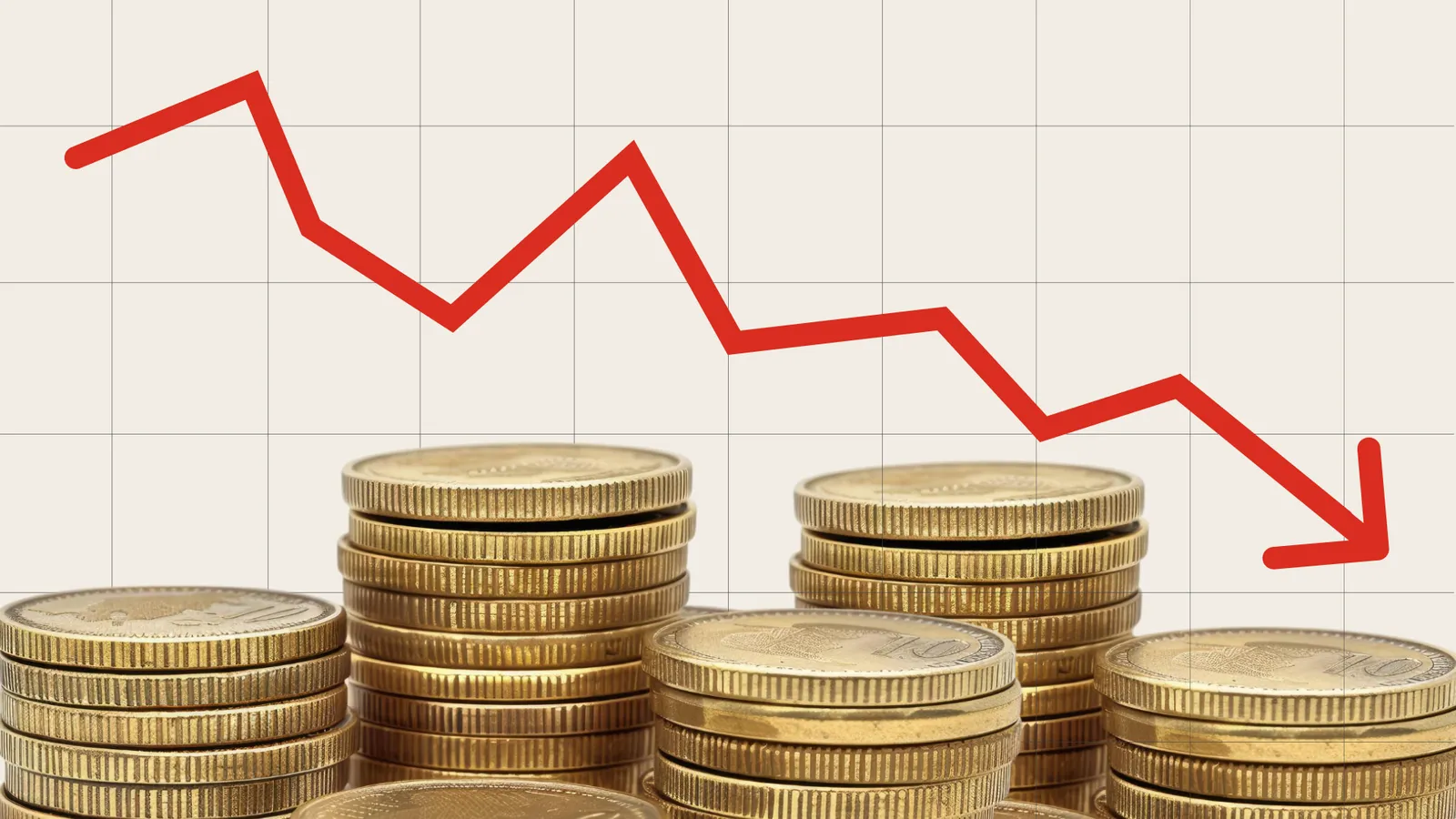
Stagflation refers to high inflation, weak economic growth and rising unemployment.
It is risky because policy responses can often make one part of the problem worse.
Supply shocks, poor policy decisions and trade barriers can all contribute to stagflation.
In this environment, both stocks and bonds may come under pressure at the same time.
What stagflation is
Stagflation is the combination of three things that usually do not show up together for long: stubbornly high inflation, slow or negative economic growth, and elevated unemployment. That is what makes it so disruptive. Inflation on its own is painful but can happen in a growing economy. Recession on its own is damaging but often comes with cooling prices. Stagflation is different because it hits both sides of the economy at once: prices keep rising even as growth stalls and labor markets weaken.
Why it is so toxic
The reason stagflation scares economists and traders is that it creates a policy trap. If a central bank tightens policy to crush inflation, it risks making unemployment and weak growth worse. If it eases policy to support jobs and activity, it can make inflation even harder to control. That tension cuts straight into the Federal Reserve’s dual mandate of maximum employment and stable prices. In normal downturns, policymakers can usually lean in one direction. In stagflation, every move has a cost.
What usually causes it
Stagflation usually begins with a supply-side problem rather than a simple collapse in demand. The classic example is an energy shock. When oil prices jump sharply, transport, manufacturing, heating, and food production all become more expensive. Companies pass some of those costs on, households lose purchasing power, and growth slows even as inflation rises. Federal Reserve history and later research on the 1970s both point to oil shocks as a central driver of that period’s stagflation, even as monetary policy mistakes helped embed inflation more deeply.
The role of policy mistakes and structural limits
Energy is not the whole story. Loose monetary policy, overly expansionary fiscal settings, or delayed policy responses can all make inflation harder to contain. Structural constraints matter too. If the economy cannot easily raise output because of labor shortages, weak productivity, supply bottlenecks, or underinvestment, then demand pressure translates more easily into higher prices instead of higher production. That is one reason stagflation is not just “inflation plus unemployment.” It is a deeper problem in which the economy loses flexibility at the same time that costs keep rising.
Why tariffs and trade barriers can feed stagflation
Tariffs deserve special attention because they can behave like a slow-burning supply shock. They raise import costs, increase input prices for businesses, complicate supply chains, and in many cases reduce efficiency without creating immediate replacement supply at home. That means prices can rise while growth softens. In 2025, new U.S. tariff announcements triggered fresh stagflation talk on Wall Street, with Reuters reporting fears of higher consumer prices, weaker confidence, and slower growth; later that year, JPMorgan explicitly warned of a tariff-induced “stagflationary slowdown.”
What it does to households
For households, stagflation is brutal because it attacks living standards from both ends. Prices for essentials such as food, fuel, rent, and transport keep rising, but wage growth often fails to keep up in real terms. If job security weakens at the same time, families get squeezed even harder. That is why the old Misery Index became popular during the 1970s: it simply adds inflation and unemployment together as a rough gauge of economic pain. It is crude, but the intuition is sound. When both inflation and unemployment are high, everyday financial stress rises quickly.
Why markets struggle in a stagflation regime
Stagflation is difficult for traditional portfolios because both stocks and bonds can come under pressure at the same time. Equities struggle because slower growth hurts revenues and margins, while higher rates or inflation pressures reduce valuation support. Bonds struggle because inflation erodes the real value of fixed coupon payments, and yields often rise as investors demand more compensation. In other words, the two assets that usually balance each other can both disappoint together. Recent market commentary around higher yields has shown how sensitive rate-heavy sectors such as tech, housing, and consumer names can be when inflation fears return.
What tends to hold up better
No asset is immune, but history suggests some areas hold up better than others. Defensive equity sectors such as healthcare, consumer staples, and utilities have often offered more resilience because demand for their products is less cyclical. Real assets and inflation hedges also tend to move higher on investors’ watchlists. Commodities and gold are the obvious examples, while Treasury Inflation-Protected Securities adjust principal with inflation and are specifically designed to reduce inflation erosion in fixed income. None of these is a perfect shield, but they are usually more relevant in a stagflation conversation than long-duration growth assets.
The 1970s lesson investors still study
The 1970s remain the textbook case because they showed how persistent and politically difficult stagflation can become. Oil shocks, rising inflation expectations, and weak policy responses pushed the U.S. into an environment of high inflation and weak labor market conditions. Breaking that cycle eventually required the Volcker Fed to tighten aggressively, which helped restore price stability but at the cost of a severe recession in the early 1980s. That episode is why markets take stagflation seriously: once inflation expectations become embedded, the cure can be economically painful.
What traders and investors should watch now
The practical takeaway is not to panic at every inflation scare. It is to watch the mix. Stagflation risk rises when inflation stays sticky while growth indicators soften and labor markets start to crack. If that happens alongside energy shocks, tariffs, or fresh supply disruptions, the macro picture becomes more dangerous. For traders, that usually means more caution around long-duration equities, more attention to commodities and defensive sectors, and closer scrutiny of bond market repricing. Stagflation is not the base case most of the time, but when it starts to build, it changes the market playbook quickly.
FAQs
What is stagflation in simple terms?
It is high inflation, weak growth, and high unemployment happening together.
Why is stagflation so bad?
Because fighting inflation can hurt growth, while supporting growth can worsen inflation.
What usually causes stagflation?
Supply shocks, policy mistakes, and trade barriers are common triggers.
What assets tend to hold up better?
Defensive sectors, commodities, gold, and inflation-linked bonds usually attract more