Support
 Weekend trading: how it works, risks and limitations to consider
Weekend trading enables participation outside traditional hours through select assets, though thinner liquidity and sharper price swings remain key risks.
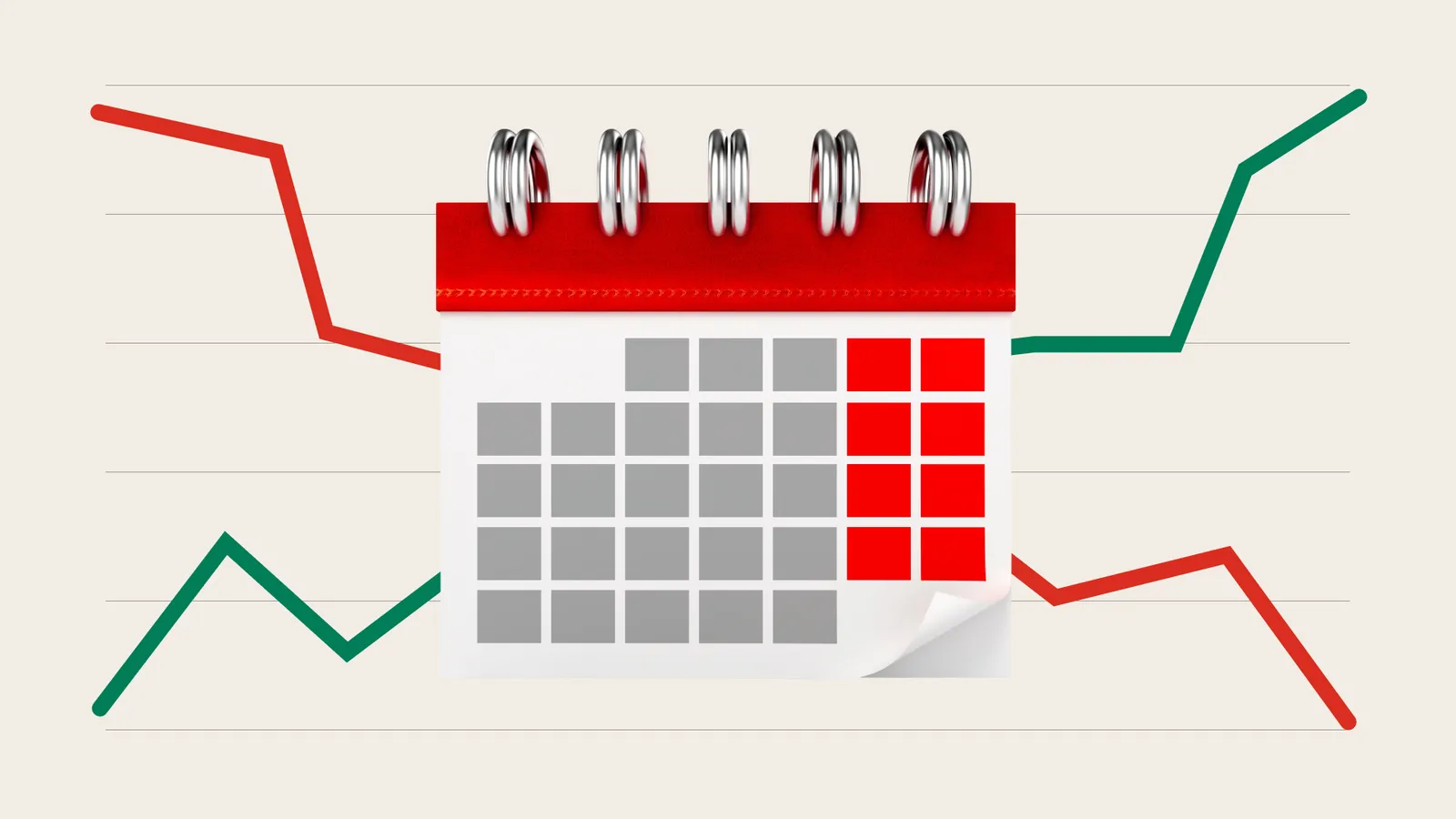
Trading at weekends typically focuses on 24/7 instruments, including cryptocurrencies, as well as OTC markets such as CFDs and synthetic indices.
Thin liquidity over weekends can cause larger spreads and higher slippage, which may significantly affect trade execution and costs.
With reduced institutional oversight in OTC and decentralised markets, checking broker regulation is critical for account protection.
What is weekend trading?
The concept of weekend trading refers to the practice of transacting financial instruments during the period when traditional centralised exchanges are closed. The most prevalent assets in this domain are cryptocurrencies, which operate natively on a 24/7 basis, 365 days a year. Furthermore, specialised derivative products created by financial institutions—such as Contracts for Difference (CFDs) and synthetic indices—have emerged as popular alternatives for traders seeking round-the-clock market engagement.
Weekend trading is often regarded as a strategic opportunity for individuals with limited availability during the standard working week. Similarly, it is sought after by active traders aiming to extend their operational reach beyond conventional market hours. However, it is essential to recognise that these sessions entail inherent risks and structural limitations that can profoundly impact a trader's capital.
Asset classes for weekend trading
Cryptocurrencies
Cryptocurrencies are encrypted digital assets traded via decentralised or centralised exchanges. A defining feature of this market is its uninterrupted nature, allowing for continuous price discovery 24 hours a day. While Bitcoin, Ethereum, and Solana are the most recognised digital currencies, the spectrum of available assets for weekend speculation is vast.
Contracts for Difference (CFDs)
CFDs are derivative instruments traded within the Over-the-Counter (OTC) market. Issued by brokers, these contracts allow participants to speculate on the price differential of an underlying asset without requiring physical ownership. CFDs are viable for weekend trading when linked to underlying assets that remain active, such as cryptocurrencies. Unlike physical assets, CFDs typically utilise leverage; thus, they necessitate a more robust and nuanced approach to risk management.
Synthetic Indices
Synthetic indices are financial instruments artificially engineered by trading platforms. These products simulate market behaviour using mathematical algorithms rather than reflecting real assets listed on official exchanges. Unlike traditional indices—which track the performance of companies in centralised markets—synthetic indices are based on statistical models. They remain available 24/7, offering a simulated trading environment even when global financial hubs are closed.
Operational risks in weekend trading
Volatility risk
Depending on the asset class, volatility can escalate rapidly during the weekend. For example, geopolitical developments occurring on these days can trigger sharp price movements in cryptocurrencies as market participants attempt to price in new risks while traditional markets remain inaccessible.
Liquidity and Slippage risks
Liquidity risk is particularly acute during these sessions, as the depth of the order book is generally minimal compared to standard weekday hours. Consequently, the risk of "slippage"—where an order is executed at a less favourable price than requested—is high. Furthermore, thin liquidity typically leads to wider bid-ask spreads, which can significantly increase execution costs, particularly for high-frequency or "scalping" strategies.
Regulatory risk
As a substantial proportion of weekend trading occurs in OTC markets, regulatory oversight is a primary consideration. Traders must conduct exhaustive research into the regulatory bodies governing their chosen platform. Broad international regulation from prestigious, globally recognised entities significantly reduces the regulatory risk to the trader.
Leverage risk
The application of leverage in weekend trading—particularly when using derivatives like CFDs—can amplify potential profits but also increases the magnitude of potential losses. Given that assets such as cryptocurrencies already exhibit high intrinsic volatility, the sensitivity of an account to market variations is magnified significantly when leverage is employed.
Conclusion
Trading during the weekend offers higuer flexibility, yet it is not without formidable technical and operational challenges. It is vital for the trader to understand that the relative lack of market depth and the speculative nature of OTC derivatives drastically elevate the risk profile of these sessions. A sustainable strategy requires sophisticated liquidity analysis and stringent leverage control. Ultimately, selecting a platform with robust regulatory support is the most effective way to safeguard invested capital.
Frequently Asked Questions (FAQs)
What are the most common assets to trade on the weekend?
The primary instruments are cryptocurrencies, which function natively on blockchain networks 24/7. Additionally, Contracts for Difference (CFDs) linked to digital assets and synthetic indices are prominent.
What differentiates synthetic indices from traditional indices?
Unlike traditional stock indices, synthetic indices do not reflect the performance of real-world corporations or national economies. Their movements are derived exclusively from mathematical models and statistical patterns. While traditional indices are driven by real-world supply and demand, synthetic indices offer a simulated, tradable experience that remains functional during holidays and weekends.
Why does liquidity risk increase over the weekend?
Liquidity is dependent on the volume of active participants. During the weekend, major commercial banks and institutional liquidity providers are inactive, which reduces the depth of the order book. This results in wider spreads (making transactions more expensive) and increased slippage, as there are fewer counterparties available to fill orders at specific price levels.
What precautions should be taken with leverage when trading derivatives?
Leverage is a "double-edged sword" that magnifies both gains and losses. In weekend trading, the risk is compounded because assets like Bitcoin already possess high intrinsic volatility. Combining leveraged CFDs with low liquidity and sudden weekend news events reduces the margin for error. Strict risk management, including the use of stop-loss orders and the avoidance of excessive leverage, is essential to prevent account liquidations.