Help
Help 
Powell opens door to interest rate cut
Jerome Powell used his final Jackson Hole appearance as Fed chair to hint at a possible rate cut in September, but divisions inside the central bank, political pressure from Washington, and sticky inflation leave the path uncertain.
Powell opened the door to a September rate cut but acknowledged conflicting signals from inflation and labor markets.
Divisions within the FOMC are deepening, with some policymakers focused on inflation risks while others emphasize rising labor market weakness.
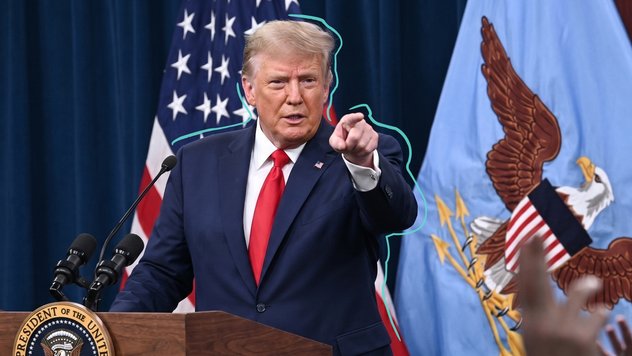
Political pressure intensified as President Trump sought to challenge Fed independence, casting a shadow over the symposium.
Markets remain caught between easing expectations and the Fed’s need to preserve credibility amid sticky price pressures.
Powell signals flexibility, but divisions widen
The annual Jackson Hole symposium, typically a venue for policy reflection, turned into a tense affair this year. Jerome Powell used his keynote speech to signal that the Federal Reserve could cut rates as soon as its September 16–17 meeting, while warning that the economic outlook remains highly uncertain.
Powell opened the door to a September rate cut, but with inflation still sticky and the Fed divided, markets should brace for a cautious, data-driven move rather than an aggressive easing cycle.
Policymakers face a dual challenge: inflation running above the 2% target and signs of a softer labor market, including weak July payrolls and downward revisions to earlier data. Powell described the backdrop as a “challenging situation,” acknowledging that risks are pulling in opposite directions.
The split inside the Federal Open Market Committee has grown sharper. July’s meeting already saw dissent over the decision to hold rates steady, and the coming vote could expose further fractures if some members argue for cuts while others resist easing.
Sticky inflation complicates the picture
While tariffs have pushed up certain goods prices, the broader concern lies in services and wage inflation, which remain resilient. Measures such as the core PCE, due later this month, are expected to show inflation stuck above 3%, well beyond the Fed’s comfort zone.
This complicates the case for aggressive easing. A premature move could risk stoking inflation just as markets are beginning to price in a softer path for rates. One-year inflation swaps at 3.3% underline the persistence of underlying pressures.
Politics enters the spotlight
The symposium was overshadowed by political noise as President Trump renewed efforts to influence the Fed. His public threats against Governor Lisa Cook, alongside calls for faster rate cuts, drew attention to the risks of eroding Fed independence.
Security at the Jackson Lake Lodge was tightened, and tensions spilled over when a Trump supporter confronted Cook during the event. The spectacle highlighted the increasingly politicized environment in which Powell must operate during his final months as chair.
Trump has already nominated Stephen Miran to the Fed board, a policymaker seen as more dovish, potentially shifting the balance of voices inside the FOMC.
Markets weigh the risks
For markets, Powell’s balancing act leaves plenty of uncertainty. Traders currently price in a September rate cut followed by another by year-end, but yields and currencies remain sensitive to shifting rhetoric.
- The two-year Treasury yield has already swung sharply on labor data and could climb again if Powell pushes back against easing bets.
- The dollar weakened modestly after Powell’s speech, while equities welcomed the prospect of easier policy.
- The risk remains of a yields U-turn if sticky inflation forces Powell to adopt a tougher tone.
As Powell’s term nears its May expiration, the Fed faces a difficult test of its credibility. A softer labor market argues for caution, but elevated inflation keeps the case for patience alive. With political pressure mounting and divisions inside the committee deepening, the September meeting may prove pivotal in setting the tone for the rest of the year.
For global markets, Powell’s message was clear: the road ahead is hard, and policy risks are finely balanced.