Help
Help 
Trump extends China tariff truce for 90 days, easing trade war fears
The White House’s move delays a planned tariff hike on Chinese goods until November, giving Washington and Beijing more time to resolve disputes on rare earths, energy imports, and technology exports.
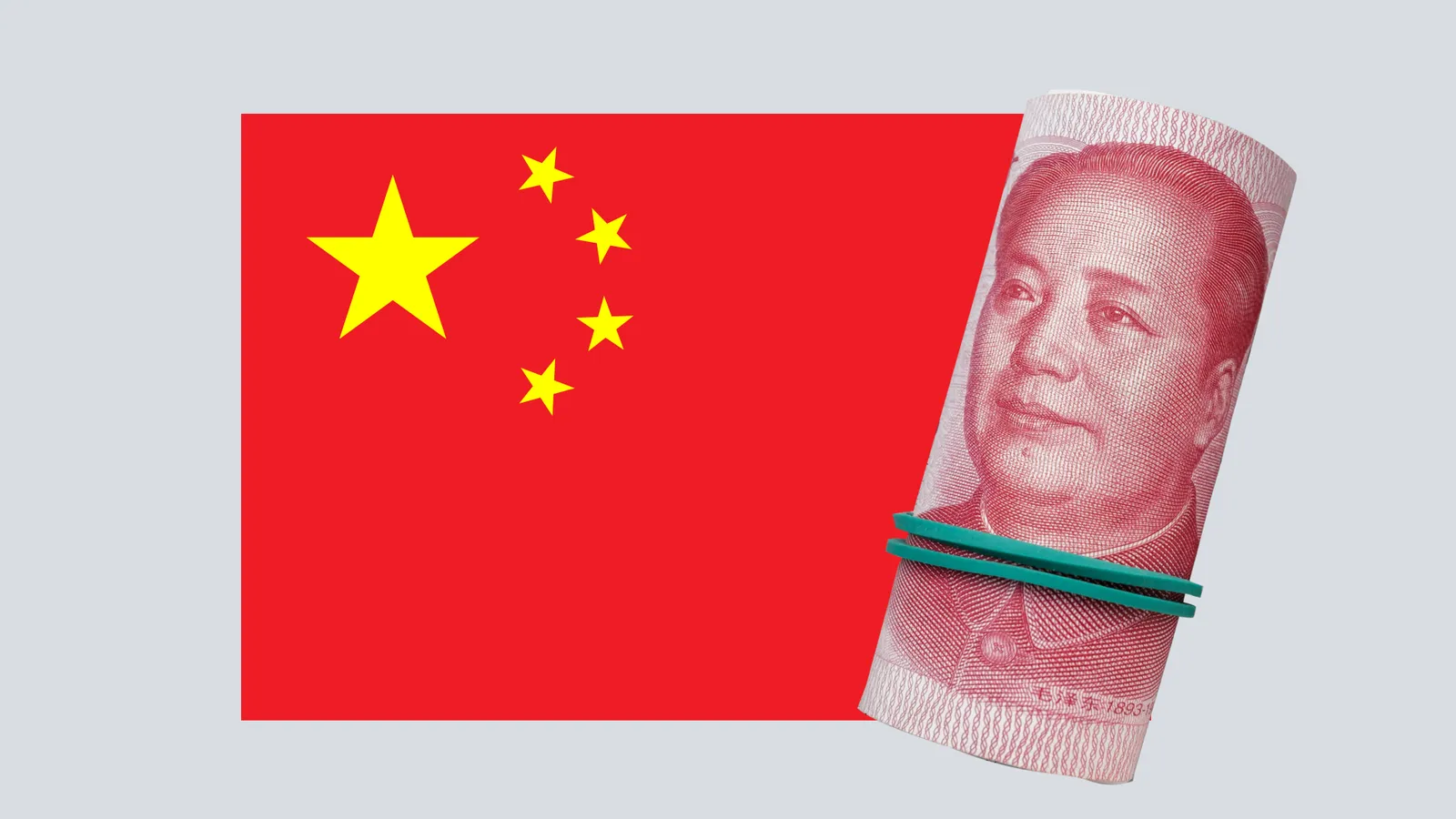
The US has extended its pause on higher tariffs for Chinese goods until November 10, averting an immediate escalation in the trade war.
Both sides maintain current tariff levels while working to resolve disputes on rare earths, fentanyl-related duties, and sanctioned oil purchases.
Rare earth magnet flows are recovering after earlier export controls, but advanced AI chip sales remain a point of contention.
The truce extension could pave the way for a Trump–Xi meeting in late October
Washington and Beijing hit pause on escalation
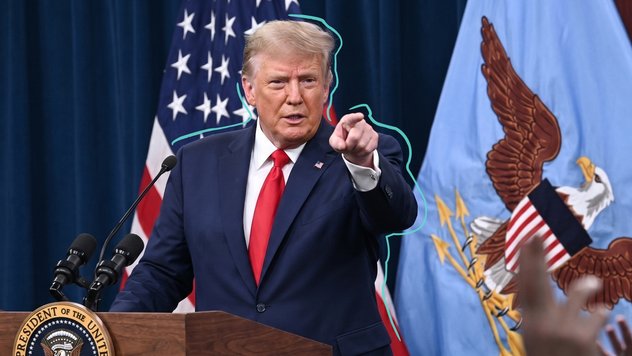
President Donald Trump has signed an order extending the US–China tariff truce for another 90 days, delaying a planned hike in duties that was set to take effect this week. The extension — now running through November 10 — keeps existing trade terms in place while negotiators address unresolved issues ranging from rare earth exports to US concerns over Chinese purchases of sanctioned Russian and Iranian oil.
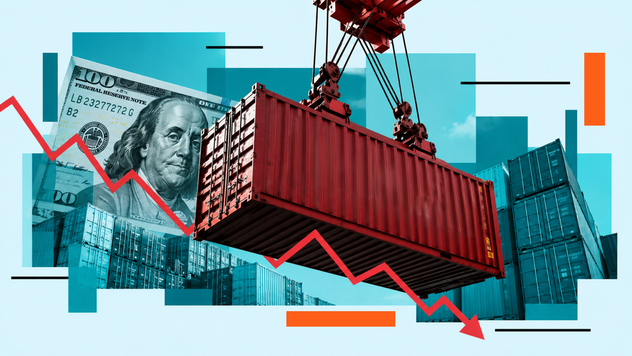
Beijing confirmed it would match the move by extending its own suspension on tariffs for US goods. Without the agreement, US duties on Chinese imports would have surged to at least 54%, a level that could have reignited the full-scale trade war and disrupted global markets.
Behind the truce: rare earths, AI chips, and energy flows
The May truce, brokered in Sweden, saw the US cut its China tariffs to 30% while Beijing reduced its levies to 10% and resumed some rare earth shipments. Those exports — critical for US manufacturing in defense, electronics, and clean energy — have rebounded, rising to 353 tons in June from just 46 tons in May, though still below pre-control levels.
Technology remains another sensitive front. US semiconductor giants Nvidia and AMD have reached deals to sell certain AI chips in China, paying a portion of revenues to the US government. However, Chinese authorities have discouraged use of Nvidia’s H20 model in government-linked projects, and security concerns continue to cloud the market.
Energy imports are also under scrutiny. Washington has tied part of its tariff regime to Beijing’s role in fentanyl trafficking and its purchases of sanctioned oil from Russia and Iran. These topics are expected to feature heavily in the coming negotiation rounds.
Diplomatic path toward a Trump–Xi meeting
The truce extension opens a window for renewed high-level diplomacy. Officials in Washington and Beijing are discussing a potential meeting between President Trump and President Xi Jinping in late October, coinciding with an international summit in South Korea.
While the White House has signaled it is open to further concessions if progress is made on “trade reciprocity” and national security concerns, it has also maintained that existing tariffs will remain in place unless China takes “significant steps” to address US priorities.
Markets weigh stability against uncertainty
Financial markets welcomed the delay, with investors relieved to avoid another round of tariff hikes that could have rattled global trade flows. Yet the reprieve is temporary. The US continues to pursue a broad “reciprocal tariff” policy with other trading partners, striking new deals that leave China increasingly isolated.
Economists caution that without a durable resolution, businesses will continue to face uncertainty over supply chains, investment decisions, and technology access. For China, the absence of a clear trade agreement with the US comes at a time when competitors are securing preferential deals and market access.