Help
Help 
Japan defends the yen as markets bet on a June hike
Japanese authorities intervened in the currency market spending around $34.3 billion to support the weakening yen after it breached 160 per U.S. dollar.
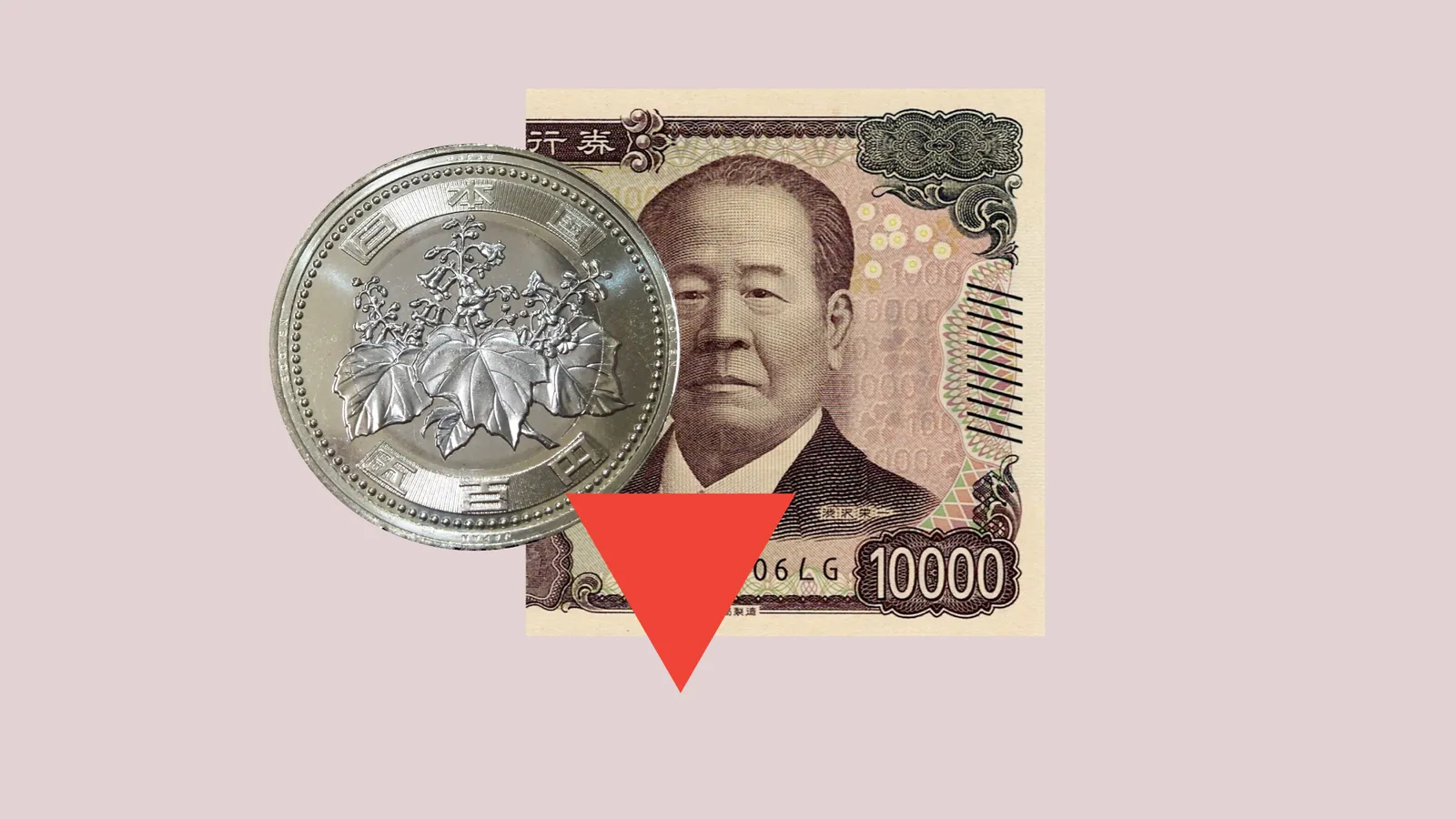
Finance Minister Satsuki Katayama issued fresh verbal warnings this week.
BoJ revised its 2026 inflation forecast higher to 2.8%.
BOJ is preparing to tighten policy in June.
Japan steps back into FX market
Japanese authorities are once again stepping deeper into the currency market as pressure on the yen continues building near historically weak levels.
Finance Minister Satsuki Katayama issued fresh verbal warnings this week, making it clear that authorities are ready to take decisive steps again if currency moves become excessive. Markets know what that means. Japan has already shown its willingness to step in.
The response was immediate
The last time the yen pushed through 160 against the dollar, Tokyo stepped in fast. Authorities sold dollars, bought yen, and the move pulled USD/JPY back toward 155 almost immediately. That intervention was a reminder that while Japan rarely defends a fixed level openly, there is clearly a zone where policymakers become uncomfortable and 160 looks very close to that line.
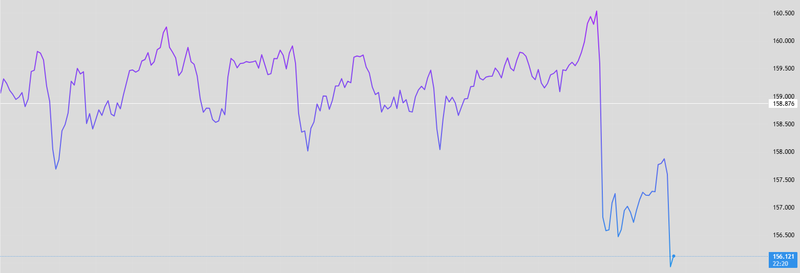
Source: Trading View
Deeper issue goes beyond intervention itself
Japan is now facing a much more complicated balance between inflation, monetary policy normalization and currency stability. For years, the Bank of Japan tolerated a weaker yen because inflation remained too low and growth stayed fragile. That environment is changing.
BOJ Governor Kazuo Ueda avoided giving a clear timeline for the next policy move, but the central bank revised its 2026 inflation forecast higher to 2.8%. That revision matters because it reinforces speculation that another rate hike could become possible in June.
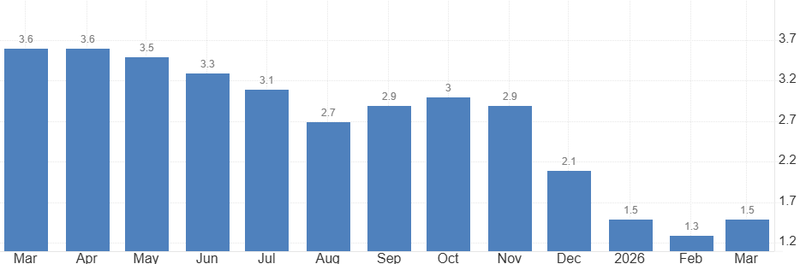
Source: Ministry of Internal Affairs & Communications
Markets are increasingly focused on that possibility
A sustained inflation forecast above target makes it harder for the BOJ to justify keeping policy ultra-loose indefinitely, especially as imported inflation from energy and currency weakness continues feeding into the domestic economy, at the same time, policymakers remain cautious about tightening too aggressively.
Japan’s economy still depends heavily on supportive financial conditions, and the BOJ knows that rapid normalization could destabilize both bond markets and broader economic activity. That is why Ueda continues sounding deliberately careful even as inflation projections move higher.
The result is a difficult policy mix
On one side, higher rates could help stabilize the yen and reduce imported inflation pressures. On the other, moving too quickly risks disrupting an economy that has spent decades operating under near-zero rates and ultra-loose monetary policy.
That tension is becoming one of the biggest themes in global FX markets, yen has increasingly turned into a battleground between widening global rate differentials and rising expectations that Japan may finally be moving away from its long era of extreme monetary accommodation. Every shift in US yields, oil prices or BOJ language now has an outsized impact on currency positioning.
For now, intervention may slow speculative pressure temporarily. But markets also understand that verbal warnings and sporadic intervention become harder to sustain if underlying rate differentials remain heavily tilted against the yen.
The deeper question is no longer whether Japan wants a stronger currency. It is whether the BOJ is prepared to tighten policy enough to support one.