
 Support
Global Macro Analysis
The latest financial, market & economic analysis
Oil's rapid reversal after the Strait of Hormuz crisis
Oil enters the third quarter in a very different position from where it began the year. After surging above $120 a barrel on fears of a major supply disruption, prices have fallen sharply as geopolitical tensions eased and underlying market fundamentals re-emerged. The focus now shifts to whether recovering supply, inventory levels and global demand will keep prices under pressure in the months ahead.
16 Jul 2026, 12:00
The UK balancing inflation, interest rates and the pound
The UK enters Q3 facing a difficult economic backdrop. Inflation remains too sticky, while growth is no longer strong enough to give the Bank of England unlimited room to keep policy restrictive. As a result, markets will be watching every data release closely, because the next move in interest rates, gilt yields and the pound will depend on whether inflation continues to cool without the economy losing too much momentum.
16 Jul 2026, 12:00
Gold after the correction: Recovery or further downside?
Gold enters the third quarter at an important turning point. After reaching record highs earlier this year, the precious metal has undergone one of its sharpest corrections in recent history as shifting interest-rate expectations reshaped investor sentiment. While central-bank demand continues to provide long-term support, markets will be watching closely to see whether easing monetary policy expectations and technical price action can sustain the recent recovery.
16 Jul 2026, 12:00
Oil outlook shifts as Hormuz flows recover and Citi sees brent falling to $65
The global oil market is moving away from peak disruption fears as flows through the Strait of Hormuz recover, but the outlook remains highly sensitive to US-Iran tensions. The IEA says global supply rose by 4.1 million barrels per day in June, while Citi expects Brent to average $75 in the third quarter before easing to $65 in 2027 if a US-Iran deal holds and Hormuz reopening becomes durable.
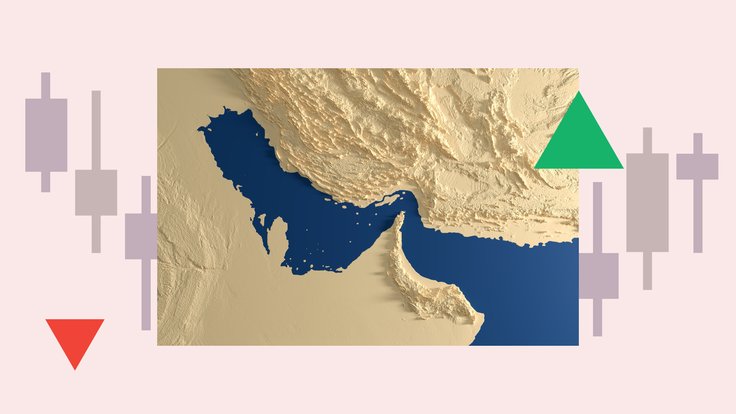
Hormuz reopening floods oil market with supply as brent erases war gains
Oil markets have quickly shifted from fear of shortage to signs of oversupply after the reopening of the Strait of Hormuz. A wave of crude cargoes from the Persian Gulf is pressuring prices across Asia and Europe, while Brent futures have erased all gains made since the Iran war began.

Global bond yields hit their highest levels since the financial crisis
Long-dated government bond yields around the world have climbed to levels not seen since the global financial crisis, as investors rethink how much compensation they need to hold duration in a world of higher energy costs, stubborn inflation risks and widening fiscal pressures. What began as an oil shock is now feeding into a broader repricing of the long end of the market.
Oil futures vs physical oil: why the market may be underpricing the Hormuz supply shock
The oil futures curve is sending a calmer message than the physical market warrants. With roughly 15 million barrels a day still bottled up around the Strait of Hormuz and global inventories being drained at an extraordinary pace, the front end of the market has reacted, but longer-dated prices remain surprisingly restrained. That disconnect matters because it risks understating both the scale of the current supply shock and the amount of higher prices that may still be needed to restore balance

Gold is being pulled in two directions
Gold enters Q2 in a more complex environment than initially expected. What looked set to be a quarter driven primarily by safe-haven demand has evolved into a broader interplay between geopolitics, energy prices, inflation expectations and rate sensitivity.

Oil has repriced but the risk hasn’t gone away
Oil’s outlook has shifted from extreme supply panic to cautious stabilisation. The peak crisis premium has eased, but the market is still likely to trade with a structurally higher risk floor, reflecting the fragility of the ceasefire, constrained supply flexibility and the enduring strategic vulnerability of Hormuz.

Silver is under pressure and the next move matters
Silver has already seen a record rally, a sharp supply shock and a historic one-day collapse, all within weeks. Now, as Q2 begins, geopolitics, policy and positioning are starting to collide, leaving the outlook far less clear.
