Support
Kevin Warsh takes over the Fed as Trump pushes for lower rates
Kevin Warsh is set to take charge of the Federal Reserve at one of the most politically sensitive moments for US monetary policy in years. President Donald Trump will swear him in at the White House on Friday, putting a long-time Fed critic and former central bank governor at the center of a difficult policy fight: whether to lower interest rates as the White House wants, or keep policy tight as inflation pressure remains above target.
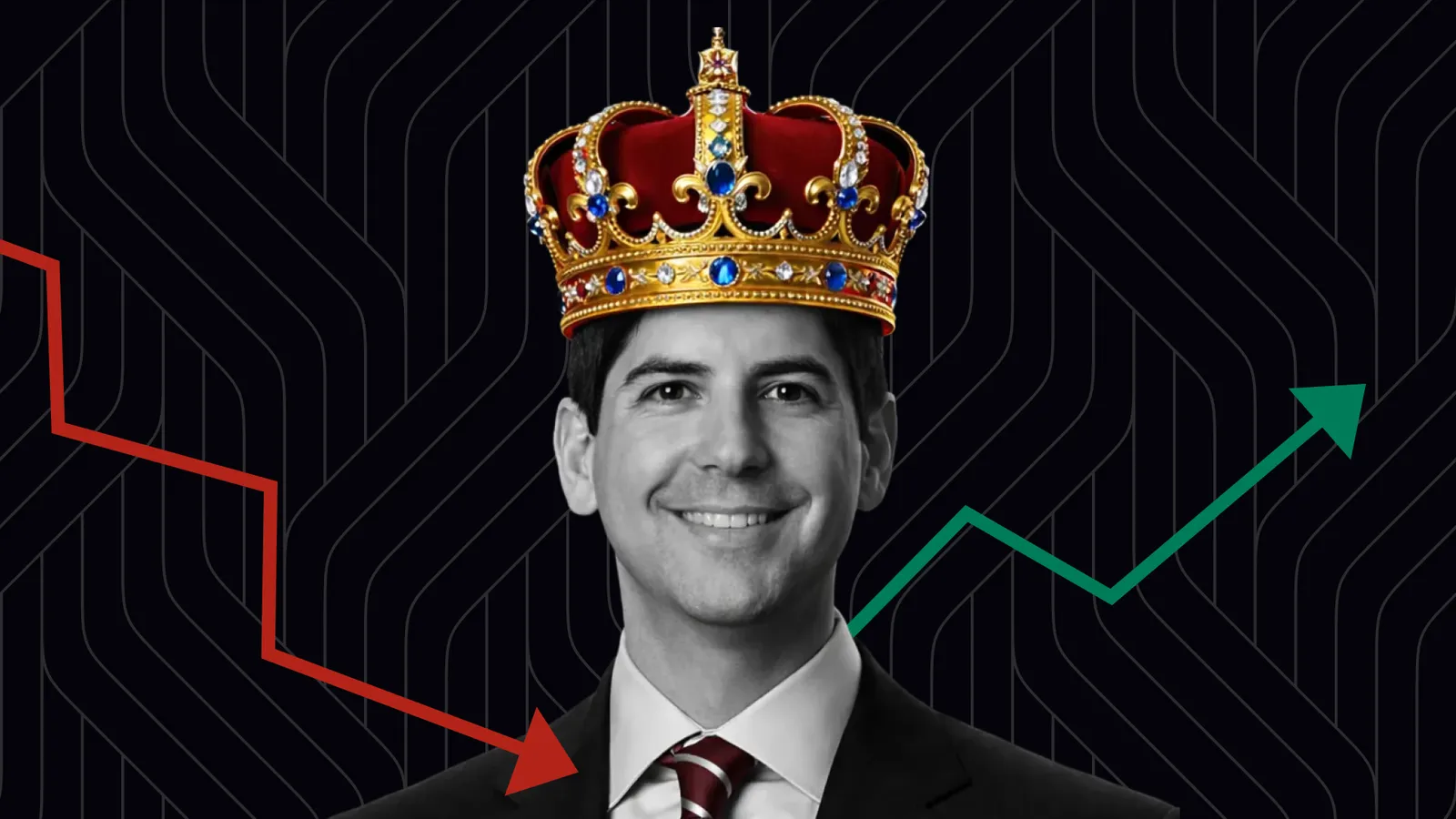
Kevin Warsh will be sworn in as Fed chair at the White House.
He succeeds Jerome Powell, whose governor term runs until January 2028.
Warsh has supported lower rates and a smaller Fed balance sheet.
His first challenge is inflation, Fed independence and a divided policy outlook.
Warsh steps into the Fed’s most difficult seat
Kevin Warsh is preparing to take over as chair of the Federal Reserve, marking a major shift at the top of the world’s most important central bank.
President Donald Trump will swear in Warsh at the White House on Friday, after the Senate confirmed him on May 13 in a largely party-line vote. Warsh replaces Jerome Powell as Fed chair, although Powell’s separate term as a Fed governor continues until January 2028. The Federal Reserve had named Powell chair pro tempore until Warsh’s swearing-in was completed.
The appointment puts Warsh at the center of a highly sensitive debate over interest rates, inflation and the independence of the Fed. The White House wants a central bank that is less reluctant to lower borrowing costs, while inflation data and recent Fed discussions suggest policymakers may still need to keep the door open to tighter policy.
A Fed chair chosen for a lower-rate agenda
Warsh, 56, will serve a four-year term as chair and a 14-year term as a Fed governor. Trump nominated him in March to lead the Board of Governors and to serve a full governor term beginning from February 2026.
His selection sends a clear policy signal. Warsh has long argued for lower interest rates alongside a smaller Fed balance sheet, a combination that appeals to an administration seeking easier financial conditions without necessarily returning to large-scale asset purchases.
That agenda, however, may be difficult to deliver quickly. The Fed is still dealing with inflation above its 2% target, and several policymakers have signaled that additional policy firming may become appropriate if price pressures remain persistent.
Inflation may limit how far Warsh can move
Warsh enters the job with markets already questioning whether rate cuts are realistic in 2026.
Inflation remains the central problem. It can be noted that producer-price inflation at 6%, consumer inflation at 3.8%, and the Fed’s preferred personal consumption inflation gauge at 3.5%. Those levels leave little room for an aggressive pivot toward easier policy unless growth weakens sharply or inflation cools convincingly.
That is the tension Warsh inherits. A Fed chair can shape communication, priorities and the tone of policy debate, but he cannot ignore the data or single-handedly override the Federal Open Market Committee. If inflation stays high, markets may keep pricing the risk of rate hikes regardless of the White House’s preference for lower rates.
Fed independence becomes the bigger market question
Warsh is also likely to face heavy scrutiny over Fed independence.
Trump repeatedly criticized Powell for not cutting rates fast enough, using the nickname “Too Late” and attacking his leadership. The administration has also suggested that monetary policy should be more aligned with the White House’s fiscal agenda. Warsh echoed several administration priorities during his confirmation process, but said he would preserve the central bank’s autonomy.
That promise will matter. For markets, the issue is not only whether the Fed cuts or hikes. It is whether investors believe decisions are being driven by inflation, employment and financial stability, or by political pressure.
If confidence in Fed independence weakens, the risk premium in US bonds could rise. That would make it harder, not easier, to lower borrowing costs across the economy.
A familiar face returns to the central bank
Warsh is not new to the Fed. He served as a governor from 2006 to 2011 after being appointed during the George W. Bush administration. At 35, he was the youngest person on the Board of Governors when he first joined.
He was also considered for the Fed chair role during Trump’s first term in 2017, before Powell ultimately got the job. This time, Warsh returns with a much more difficult mandate: restore confidence in the Fed, respond to political pressure for lower rates, manage inflation risk and oversee the balance sheet at a moment when Treasury markets are already sensitive to deficits and debt supply.
The Miran exit clears the board transition
Warsh’s arrival also comes with a change inside the Fed board. Governor Stephen Miran is expected to leave his position on or shortly before Warsh is sworn in. Miran had taken leave from his role as chair of Trump’s White House Council of Economic Advisers to fill a Fed vacancy.
His stay lasted longer than expected because of political and legal complications surrounding an investigation into Powell and Fed renovation costs. Prosecutors dropped the inquiry in April, clearing one obstacle to Warsh’s nomination process.
Market takeaway
Warsh’s arrival does not automatically mean lower interest rates. It means the Fed’s reaction function is now under a brighter political spotlight.
The White House has chosen a chair who is more sympathetic to rate cuts and balance-sheet reduction. But inflation remains too high for an easy dovish pivot, and any sign that the Fed is bending too far toward political pressure could backfire through higher bond yields and a weaker credibility premium.
For markets, the first question is not whether Warsh wants lower rates. The real question is whether inflation will allow him to deliver them.