Support
Oil market relief still depends on the deal markets can trust
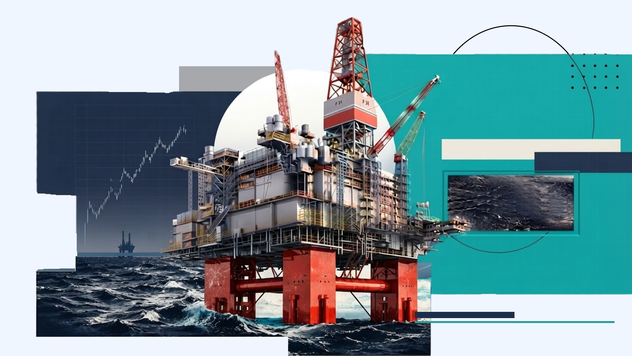
Oil markets are being pulled in two directions at once. On one side, the International Energy Agency is warning that the market could move into a critical red zone by July as stockpiles fall and summer demand rises.
IEA’s message is simple: the market may not have much time. If stockpiles keep falling and summer travel demand rises.
Trump added another twist by saying he had called off planned attacks on Iran because serious negotiations were taking place.
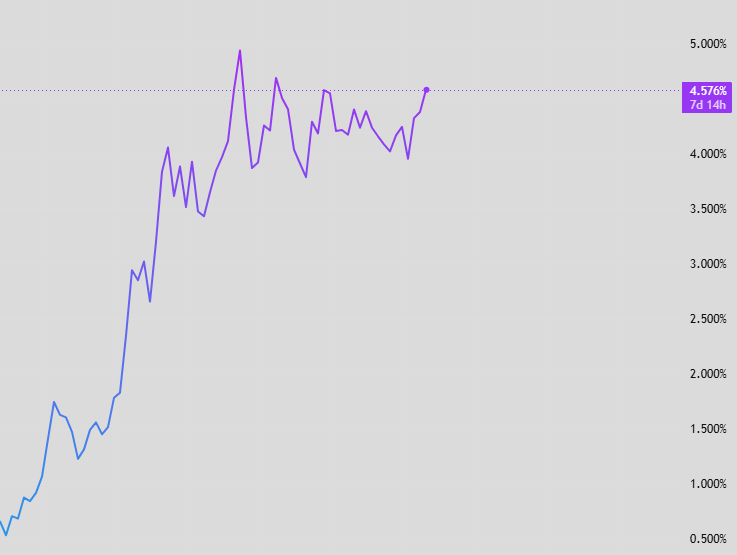
Long-dated bonds remain tied to the Iran story.
The IEA warning keeps the pressure alive
IEA’s message is simple: the market may not have much time. If stockpiles keep falling and summer travel demand rises, the oil market could enter a much more dangerous phase by July. That matters because inventories are cushions. When they fall too quickly, the market becomes more exposed to every refinery issue, shipping delay or geopolitical headline.
That is why the red zone warning landed so strongly. It tells investors that the market is not just dealing with high prices today. It may be running down the buffers needed to handle the next shock.
The draft deal could change the picture, but only if it is real
The reported US-Iran draft agreement is exactly the kind of headline that can calm markets quickly. A ceasefire, protection for infrastructure, and guaranteed freedom of navigation in the Persian Gulf and the Strait of Hormuz would directly address the biggest fear in energy markets.
But the market will be careful here. The report appears to have come through media channels citing regional sources, while other reporting suggests that Pakistan is still trying to secure a breakthrough and that major sticking points remain, including Iran’s nuclear programme and the status of navigation through Hormuz.
That difference matters. A draft is not the same as a signed deal. A mediation channel is not the same as implementation. And in this conflict, investors have learned not to treat the first optimistic headline as the outcome.
Oil is trading hope, not certainty
The market has already shown how sensitive it is to any sign of diplomacy. Long bonds sold off sharply earlier in the week, then recovered part of the move when investors hoped talks could reopen Hormuz and restore energy flows. Later headlines weakened that optimism again. Then Trump added another twist by saying he had called off planned attacks on Iran because serious negotiations were taking place.
That helped sentiment for a moment, but it did not create a lasting shift. That is the pattern now. Every diplomatic headline creates relief, but every delay reminds investors that the supply problem is still unresolved. This is not a market that fully believes in peace yet. It is a market that wants to believe but needs proof.
The physical market is still the real test
The most important question is not whether negotiators are talking. It is whether oil flows improve.
If Hormuz navigation is guaranteed under a credible monitoring mechanism, the effect would be significant. Freight risk would fall, physical buyers would become less defensive, and some of the panic premium in crude could unwind.
But if the agreement is delayed, rejected, or only partly implemented, the IEA warning becomes more important again. Falling inventories and peak summer demand would keep the market tight, even if traders briefly price in optimism.
That is why the next move in oil will depend less on the language of the agreement and more on whether barrels can move without disruption.
Bonds are reacting because oil is an inflation story
This is also why long-dated bonds remain tied to the Iran story. Higher oil prices are not just a commodity issue. They feed inflation expectations, pressure consumers, and make central banks less comfortable cutting rates.
When investors believe energy supply is at risk, they demand more compensation to hold long-term government debt. That helps explain why long-dated yields have stayed elevated across major markets. The bond market is not simply reacting to war risk. It is reacting to the possibility that war risk keeps inflation higher for longer.
Source: Trading View