Help
Help 
De-Dollarization: Is the US Dollar losing its dominance?
Once considered untouchable, the dollar now faces a slow but steady erosion
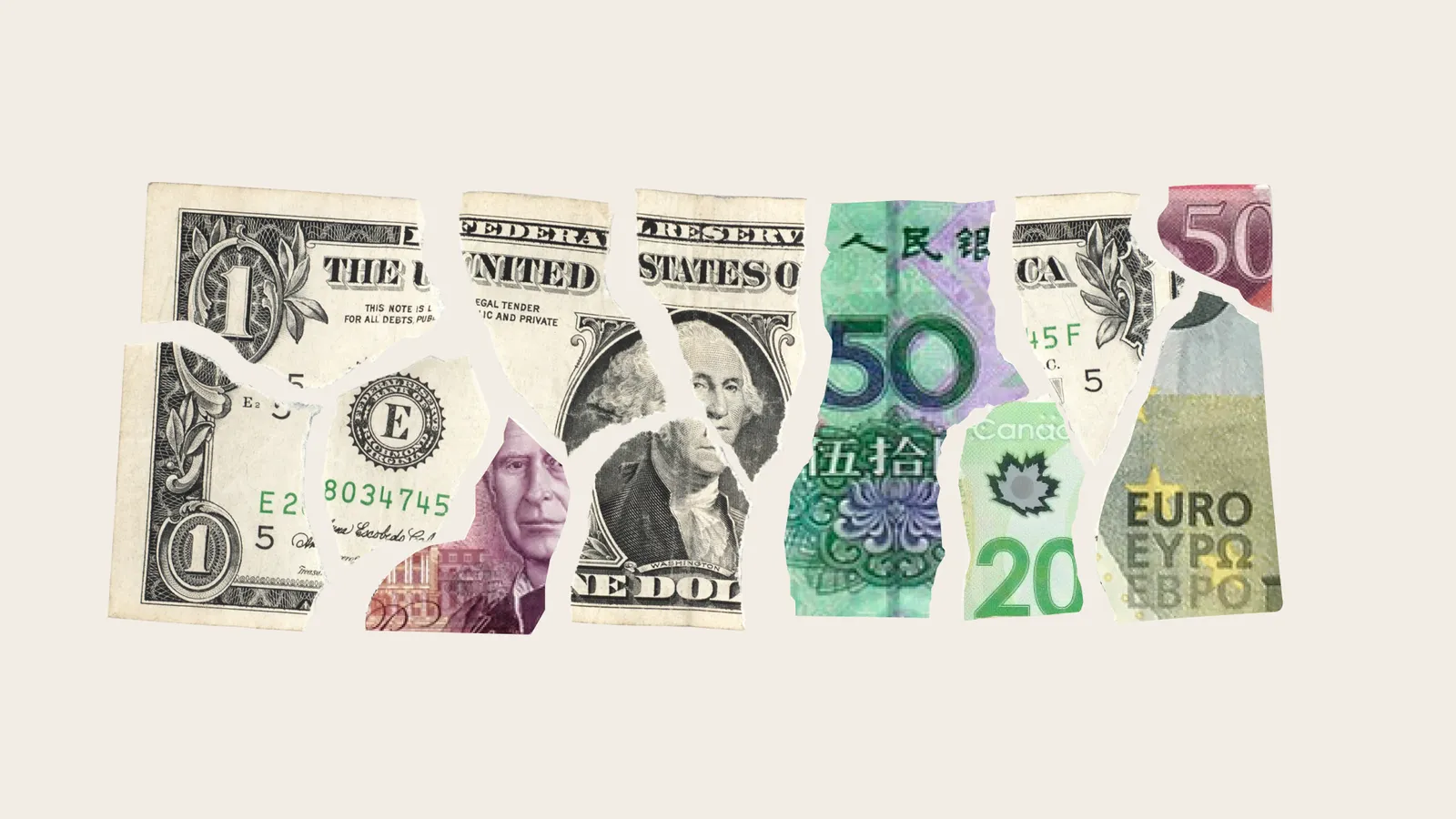
2025 is shaping up to be a turning point for the US dollar
China, BRICS, and emerging markets are rewriting trade rules
Reserve diversification and geopolitical shifts reshape global finances
The US dollar (USD) has long been the backbone of global trade and finance, but 2025 is shaping up to be a pivotal year in the ongoing de-dollarization trend. With China, BRICS nations, and other economies diversifying their reserves, traders and investors are watching closely for potential shifts in currency dynamics.
Why Is the Dollar Under Pressure in 2025?
The US dollar has been weakening since the start of 2025, driven by shifting monetary policies, reserve diversification, and declining economic growth.
- Rate Expectations: The Federal Reserve’s outlook suggests 75-100bps rate cuts in 2025, reducing yield attractiveness.
- Eroding Safe-Haven Appeal: Geopolitical tensions have not significantly boosted USD demand, as gold and alternative assets gain traction.
- Soft Economic Data: Inflation and growth have been weaker than expected, raising concerns about the Fed’s ability to sustain a strong policy stance.
Central Bank Reserves: How Are Countries Moving Away from the Dollar?
The latest IMF and central bank reports (Q1 2025) indicate a gradual but noticeable shift in global reserves.
- IMF data shows a gradual decline in USD reserves, with countries increasing gold and non-dollar holdings.
- China, Russia, and BRICS economies continue reducing their Treasury holdings, preferring alternative assets such as gold and regional currency settlements.
- While 46% of global transactions still occur in USD (SWIFT data, February 2025), this share has declined from previous years due to growing trade agreements in yuan, euro, and other regional currencies.
- China’s yuan-based oil contracts and increased bilateral trade in non-dollar currencies are slowly chipping away at the dollar’s trade dominance.
- The EU’s reserve allocation to the euro and yuan has seen a 2% increase since 2024. However, the US dollar still makes up 58% of total global reserves (down from 59.5% in 2023)—a decline, but not a collapse.
De-Dollarization: How Traders Can Benefit For traders
the de-dollarization trend in 2025 opens up new opportunities:
Gold & Commodities:
- Central bank purchases have pushed gold above $3000 per ounce.
- Traders should monitor reserve data for further gold inflows.
- Oil remains volatile, as Middle Eastern nations explore non-dollar oil contracts.
Emerging Market Currencies:
- The Chinese yuan (CNY) has gained traction, especially with its digital yuan rollout expanding trade use.
- Latin American nations are cutting dollar dependency, making currencies like BRL, MXN, and CLP more active in FX markets.
US Bonds & Dollar Demand:
- If reserve shifts accelerate, US Treasury yields could rise, pressuring US equities.
- Traders should track sovereign bond auctions to gauge global demand for US debt.
Bottom Line: Is the US Dollar Losing Its Dominance?
While de-dollarization is happening, the process is gradual. The US dollar still dominates trade, reserves, and global finance, but 2025 could mark a turning point if BRICS, China, and other economies accelerate alternative settlement systems. For traders, this means staying ahead of reserve trends, currency shifts, and commodity flows to capitalize on the changing financial landscape.